Luxury cruising doesn’t look the same as it did even a decade ago. Bigger ships and fixed itineraries still exist, but many travelers now prefer smaller vessels that can get closer to coastlines, dock in working harbors, and follow routes that lead to quiet villages.
This change is noticeable across the Mediterranean and further afield. Ports are no longer just quick stops, and itineraries are shaped around how places are explored, not on fixed schedules.
Small-Ship Coastal Voyages in Croatia
Croatia works particularly well for small-ship cruising because of how its coastline is tightly structured. From Split’s Riva promenade, where ferries and boats move constantly in and out of the harbor, the distances between stops become clear.
Ships don’t need to travel far, which means more time on land. One of the best ways to experience this place is by walking out from Diocletian’s Palace into the narrow streets of the old town, then back toward the marina.
Further along the coast, places like Hvar Town and Korčula make more sense when approached by sea. In Hvar, the walk from the harbor up to Španjola Fortress is short but steep, giving a full view of the Pakleni Islands just offshore. Korčula’s old town is more compact, with streets like Ulica Marka Pola running straight through its medieval grid.
To find luxury Croatia cruises that suit you best, it helps to focus on itineraries that prioritize smaller ports over major cities. Routes that include Vis or Mljet tend to feel more balanced, breaking up busier stops with quieter stretches that still sit naturally along the coastline.
Deep Fjord Exploration and Northern Lights in Norway
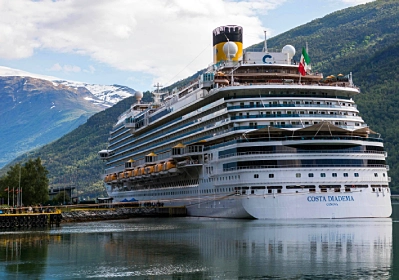
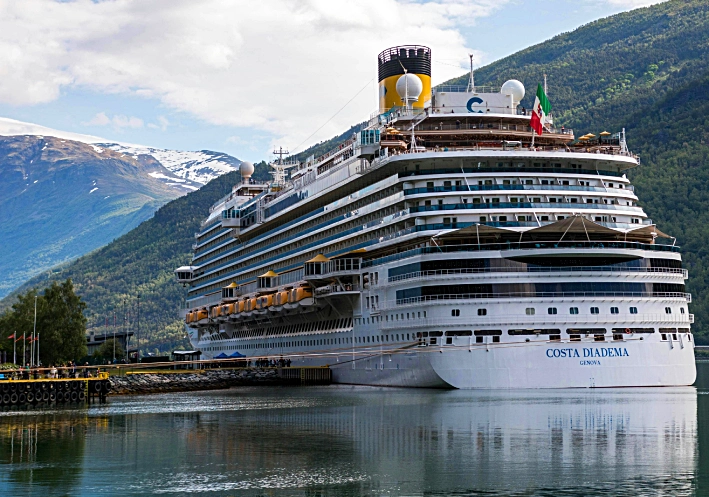
Norway’s coastline doesn’t work the same way as the Mediterranean. Distances are longer, and the landscape dictates the route more than the towns do. Cruises that move through Geirangerfjord or Nærøyfjord follow the shape of the land itself.
The approach into Geiranger, with waterfalls like Seven Sisters visible from the deck, is one of those moments where a smaller ship is the better fit, since it can travel further into the fjord.
In Bergen, most routes start or pass through Bryggen, the old wharf area with its narrow wooden buildings. Walking along the harbor, then heading into the Fish Market or up toward Fløyen via the funicular, shifts the pace from the harbor’s activity to the quieter ground above the city.
Further north, Tromsø becomes the base for chasing the Northern Lights, especially in winter sailings. Ships often dock close to the city center, so it’s easy to walk between the harbor, Storgata street, and the bridge leading toward the Arctic Cathedral.
Sun-Drenched Greek Island Hopping in Greece
Island-hopping routes in Greece depend heavily on how you move between ports. Larger ferries stick to fixed schedules and major harbors, but smaller cruise vessels can adjust routes slightly and dock closer to town centers.
In Santorini, for instance, arriving below Fira and taking the path up from the old port gives a completely different perspective than coming in through the airport. The steps wind up toward the main square, passing small shops and terraces before opening out to the caldera views.
Mykonos has a different layout. The old port connects directly to the narrow lanes around Matogianni Street, where everything branches out toward Little Venice and the windmills. Walking early in the morning before ferries arrive makes it easier to see how the town actually functions day to day.
Further out, islands like Paros and Naxos offer a different pace. In Naxos Town, the walk from the Portara to the Kastro district moves between open waterfront and tight alleyways, while inland roads connect villages like Halki and Apeiranthos.
Luxury River Expeditions Along the Mekong in Vietnam
The Mekong doesn’t follow a coastline, but it still works well for slower, more detailed travel. River cruises move gradually between Ho Chi Minh City and the Cambodian border, stopping in places that don’t get much attention.
In areas like Cai Be, boats pull up near floating markets where goods are still traded directly from vessel to vessel. Walking off the dock and into smaller canals allows one to observe daily life structured around the river.
In Sa Dec, streets like Nguyen Hue run parallel to the riverbank, with colonial-era buildings still in use. The local markets sit just off these main roads, and they’re easier to navigate when arriving by boat since you’re already positioned within the network of waterways.
Onboard, the experience shifts once you return from these stops. Cabins are typically set up with floor-to-ceiling windows facing the river, so the movement continues even while you’re inside, and shared spaces are designed more like small lounges than formal dining rooms.
These cruises include visits to workshops and smaller villages, but the real value comes from how everything connects. The river acts as the main route, and each stop feeds naturally into the next without needing long transfers or detours.
Tropical Archipelago Discovery in the Seychelles
The Seychelles are spread out enough that traveling between islands by plane or ferry can feel disjointed. Small-ship cruises connect islands like Mahé, Praslin, and La Digue by following the natural layout of the islands.
In Mahé, Victoria’s streets, including Market Street and the Sir Selwyn Selwyn-Clarke Market, give a quick introduction to how compact the capital is. From there, routes often head toward Beau Vallon or the coast to smaller anchor points.
On Praslin, the Vallée de Mai is the main draw, accessible within a short drive from the main docking areas. Walking through the reserve, with its dense palm forest and clearly marked paths, contrasts sharply with the open beaches like Anse Lazio.
La Digue shifts the pace again. Most movement happens by bike, with paths leading from La Passe harbor toward Anse Source d’Argent. Boats typically dock close enough to make it easy to transition straight onto these routes. Distances in the Seychelles are short, but the variety between islands keeps the journey from feeling repetitive.
Which unique coastline will you explore?
Luxury cruising now leans more on access than scale. Smaller ships reach places that larger vessels simply can’t, changing how each destination is experienced. The structure of the journey matters as much as the stops themselves, and choosing the right route often shapes how the trip unfolds.
Croatia’s coastal towns connect naturally by sea, Norway’s fjords shape the route as much as the itinerary, and Greece’s islands are easier to navigate when ports sit close to the center of town. Further afield, the Mekong and the Seychelles show how this approach extends beyond Europe.