Planning a trip around Sicily takes more thought than simply booking a hotel near the beach. Road conditions vary constantly, train connections don’t always reach smaller towns, and many of the island’s most interesting places sit outside the larger cities.
Visitors heading to Mount Etna, the baroque towns of the southeast, or the temple ruins near Agrigento often spend more time driving than expected. Sicily also changes character quickly between regions. One day might involve crowded food markets in Palermo, while the next means quiet coastal roads near Scopello or Modica. Understanding those differences helps avoid rushing through the island too quickly.
Finding Your Ideal Base in a Private Coastal Rental
Where you stay in Sicily can completely shape the pace and character of the trip. Palermo suits travellers who enjoy busy markets, historic streets, and the energy of a large coastal city, though many visitors eventually gravitate towards smaller seaside towns for a slower atmosphere. Along the northern coast, areas between Cefalù and Castelbuono become especially lively during summer, particularly near Lungomare Giuseppe Giardina and the beach roads beneath La Rocca, where cafés, small hotels, and evening promenades fill quickly.
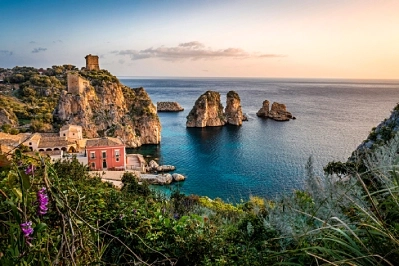
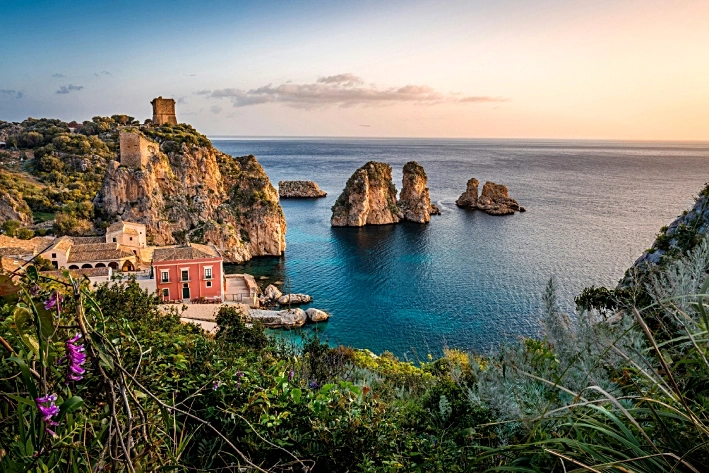
Families and longer-term visitors can search for vacation villas on Wishsicily.com. These private rentals often give easier access to smaller coastal areas where hotels are limited. Villas near Scopello place travelers close to the old tuna fishery at Tonnara di Scopello and the coastal reserve paths inside Zingaro Nature Reserve. Around Noto Marina and Fontane Bianche, detached houses with shaded terraces are common, particularly among travelers planning multi-stop road trips through southeastern Sicily.
Parking is worth considering for those planning to drive around Sicily. Historic centres in places like Ortigia, Ragusa Ibla, and Taormina can become difficult to navigate once summer traffic builds up through the older streets. Staying slightly outside the busiest areas often makes getting around much easier.
Mapping Out a Route Through the Baroque Towns of the Val di Noto
The Val di Noto covers a large section of southeastern Sicily and includes several towns rebuilt after the 1693 earthquake. Noto itself usually becomes the starting point because Corso Vittorio Emanuele concentrates many of the city’s landmarks within walking distance. Travelers spend most of their time around Palazzo Ducezio, the Cathedral of San Nicolò, and the long staircase leading toward the upper terraces near Via Nicolaci.
Ragusa Ibla feels completely different. The roads twist sharply downhill into the older quarter, where narrow lanes pass stone balconies, churches, and small piazzas packed tightly into the hillside. The walk between Giardino Ibleo and Piazza Duomo takes longer than it looks on a map because of the steep staircases and uneven streets. Comfortable shoes become essential very quickly here.
Modica deserves at least one overnight stay if possible. Late evenings around Corso Umberto I stay lively long after day-trippers leave. Visitors often come for the famous chocolate shops, though the town itself usually leaves a bigger impression. Church facades rise directly above crowded residential streets, and laundry lines still hang between buildings across some of the older alleys.
What to Know Before Hiking the Trails Around Mount Etna
Mount Etna changes constantly, so it’s best to double-check local conditions before any hike. Travelers staying around Catania or Taormina often underestimate how cold the volcano becomes even outside winter. Temperatures near Rifugio Sapienza can drop quickly once cloud cover moves across the upper slopes. Wind exposure also feels much stronger near the higher craters.
The southern access roads near Nicolosi are the most commonly used starting points for visiting Mount Etna. Cable cars and guided excursions operate from this side of the volcano, though many independent hikers prefer the lower walking trails around Monte Nero degli Zappini. These routes pass old lava flows, pine forest sections, and abandoned volcanic terrain that gives a clearer sense of how eruptions reshaped nearby villages and landscapes over time.
Good footwear matters more here than almost anywhere else in Sicily. Volcanic gravel shifts constantly underfoot, especially on steeper descents near the craters. Fine black ash also gets everywhere. Travelers usually end up carrying extra water because there’s very little shade once they move above the forest sections. Conditions can also change overnight depending on volcanic activity, so local updates from visitor centers near Etna Sud are worth checking before setting out.
Navigating the Historic Food Markets and Street Food Paths of Palermo
Palermo’s street food scene is best experienced inside the city’s historic markets. Ballarò operates early each morning around Via Ballarò and Piazza del Carmine, where produce stalls spill into the narrow streets beneath hanging awnings and old apartment balconies. Vendors call out continuously across the market while scooters squeeze through crowds carrying crates of fish and vegetables.
Vucciria changes character throughout the day. Early mornings still revolve around fish counters and butcher stalls near Piazza Caracciolo, though evenings become much louder once younger crowds fill the surrounding streets. Travelers wanting the busiest atmosphere usually head here after sunset, especially on weekends.
Street food appears everywhere in central Palermo. Around Via Maqueda and the lanes near Quattro Canti, small takeaway counters sell arancine, panelle, sfincione, and grilled meats directly onto the street. The area near Mercato del Capo stays especially busy around lunchtime. Some stalls have operated for generations, often with handwritten menus taped beside the serving windows.
Planning a Visit to the Ancient Greek Ruins of the Southwest Coast
The southwest coast holds some of Sicily’s most important archaeological sites, though distances between them catch many travelers off guard. Agrigento remains the best-known stop because the Valley of the Temples stretches across an enormous ridge outside the modern city. Early morning visits are especially recommended in summer, particularly around the Temple of Concordia, where the main pathways offer very little shade.
Further west, Selinunte feels far more exposed and remote. The ruins spread across open coastal land overlooking the sea, and visitors often spend several hours walking between temple groups connected by dusty roads and footpaths. Carrying water becomes essential here, particularly during July and August when temperatures rise sharply across the site.
Segesta offers a completely different setting inland near Calatafimi. The isolated Doric temple stands beneath rolling hills, while the ancient theater sits higher above the valley overlooking western Sicily. Late afternoon light changes the entire landscape here. Many roadtrippers stop between Palermo and Trapani to admire the view, though the site deserves more time than most itineraries allow.
Are you ready to start planning an independent itinerary that takes you into the true heart of Sicily?
Sicily is far more rewarding when the itinerary leaves room for unexpected detours, long lunches, slow drives through mountain roads, and towns that turn out far more interesting than expected. Palermo’s crowded market streets, the stone staircases of Ragusa Ibla, Etna’s black volcanic slopes, and the quiet temple fields near Selinunte all feel completely different from one another. That contrast is part of what makes travelling around the island so memorable.
Choosing the right base, allowing realistic travel times, and understanding how much each region changes from coast to coast can shape the entire experience. The best trips usually come from staying long enough in each place to notice the smaller details that many visitors rush past.
words Al Woods