Designing a chic living environment does not require a complete overhaul of your modern property. Small changes in textures, furniture arrangements, and interior accents can completely redefine your living space.
Achieving a high-end look comes down to thoughtful choices and personal style expression. Everyday rooms become memorable places when you focus on balance, warmth, and classic design principles.
Moving Past Ultra Minimalist Style
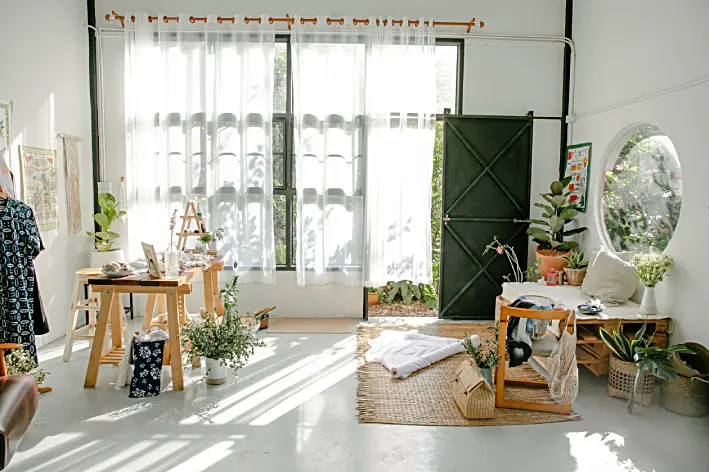
Sterile white walls and empty spaces are fading from contemporary home design choices. Homeowners now prefer rooms that reflect individual character through carefully selected furniture pieces and vintage finds. Curated items bring a sense of history that mass-produced items simply cannot replicate.
Fresh coats of warm paint establish a comfortable mood across living areas. Hiring trusted neighbourhood painters helps bring crisp finishes to high-traffic rooms without adding unnecessary stress to your schedule. Professional surface preparation creates clean lines that instantly elevate your interior design scheme.
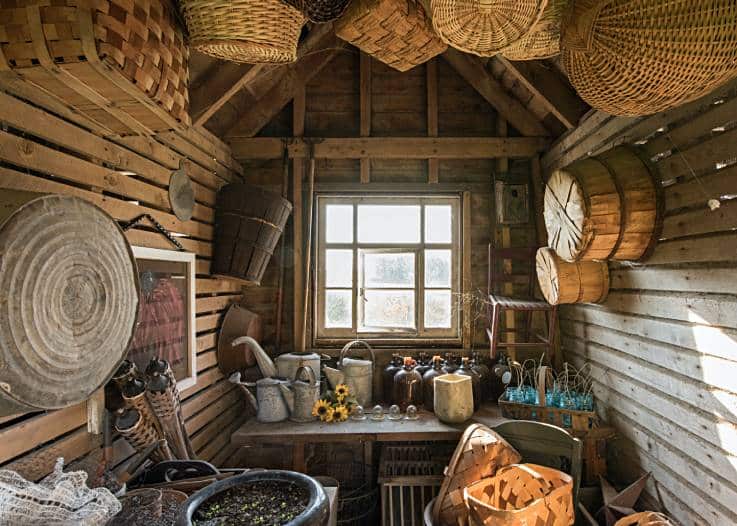
Combining distinct textures like smooth timber, brass hardware, and heavy linen creates visual intrigue. Layered materials keep rooms from feeling flat or sterile. Subtle contrasts turn simple corners into cozy focal points.
Embracing Subtle Understated Decor
Design observers report that understated styling methods have steadily gained popular appeal over recent years. Subtle decor trends offer a quiet sense of luxury that feels refined without appearing overly loud. Soft neutral palettes and clean architectural lines create lasting aesthetic value.
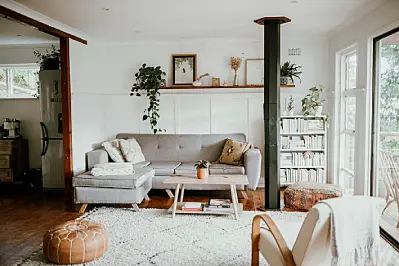
Monochromatic schemes rely on varied textures to maintain visual interest throughout the home. Plush rugs paired with matte oak furniture give open plans a grounded feel. Simple arrangements allow high-quality craft items to take center stage.
Subtle design choices allow rooms to feel spacious and calm after long workdays. Balanced lighting fixtures highlight key architectural details without overwhelming the eyes. Timeless room arrangements require fewer seasonal updates to stay relevant.
Using Expressive Color Choices
Wall shades are once again serving as primary architectural features in modern homes. Rich paint tones alter room proportions and influence psychological mood. Deep hues add immediate structure to open floors and entryway corridors.
Selecting bold tones for accent walls creates natural focal points in dining zones. Rich greens, muddy terracottas, and deep blues add warmth to modern minimalist builds. Color blocking techniques offer simple ways to divide large open spaces visually.
Combining contrasting paint shades brings energy into quiet reading nooks. Ceilings finished in soft muted colors draw eyes upward to give small rooms extra height. Bold accent trims around door frames provide playful touches without cluttering floor plans.
Shifting Away From Sparse Minimalism
Design analysts anticipate a clear shift away from plain minimalist interiors toward more expressive spaces. Homes increasingly feature curated decor objects that make room layouts look personal. Unique art selections help turn standard living rooms into tailored display zones.
Layering personal mementos alongside stylish modern furniture builds authentic character. Display shelves filled with travel books, hand-thrown ceramics, and framed prints tell personal stories. Honest decor choices create welcoming environments for hosting family and friends.
Textured fabrics bring tactile appeal to soft furniture pieces. Bouclé cushions, velvet throws, and woven wall hangings soften rigid architectural structures. Mixing old family heirlooms with sleek metal accents gives interior spaces layered depth.
Layering Textures and Materials
Combining diverse materials gives interior spaces tactile warmth and visual complexity. Smooth polished marble sits beautifully against rough reclaimed timber surfaces. Thoughtful material pairings make simple modern layouts feel rich and complete.
Incorporating key design elements helps balance comfort with sleek aesthetic appeal:
- Natural stone surfaces for kitchen islands and side tables
- Brushed brass fixtures to add soft warm metallic highlights
- Woven rattan basketry for casual living room storage solutions
- Heavy cotton drapery to frame window views and soften daylight
Soft furnishings allow easy seasonal adjustments without high costs. Swapping light summer linens for heavy wool throws changes room ambience in minutes. Balanced material choices make everyday living spaces feel intentionally styled.
Optimizing Lighting and Layouts
Lighting plays a crucial role in setting the tone across functional living areas. Layered lighting schemes combine ambient overhead fixtures with targeted task lamps. Dimmable switches offer flexibility when transitioning from productive work hours to evening relaxation.
Furniture positioning should encourage comfortable movement and natural conversation flow. Placing sofas away from walls creates intimate seating areas in open plans. Low-profile coffee tables maintain sightlines across adjacent kitchen and dining zones.
Mirrors placed opposite natural light sources brighten dark interior corners naturally. Reflective surfaces amplify daylight and expand the visual footprint of compact rooms. Smart space planning turns awkward architectural alcoves into functional storage or study nooks.
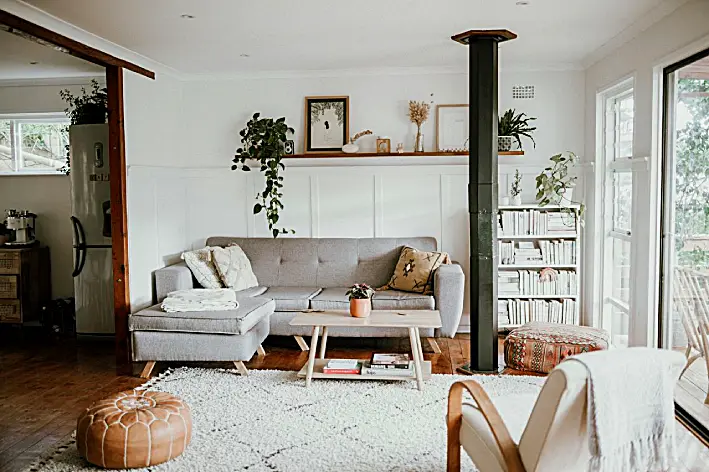
Creating a stylish home relies on blending personal tastes with functional design choices. Thoughtful paint application, varied material textures, and balanced floor plans turn standard properties into inviting sanctuaries.
Focusing on quality furniture pieces and authentic decorative accents creates lasting beauty across living spaces. Developing a clear design vision allows your home to evolve gracefully as personal preferences change.
written by Al Woods