
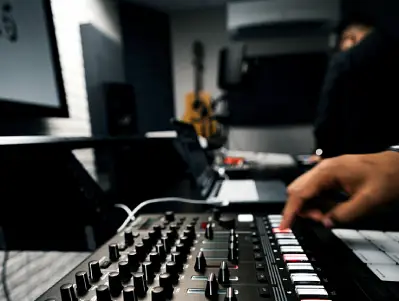
The Canadian recording studio sector in 2025 is showing a promising recovery and expansion following years of turmoil and unpredictability. Over the past few years, many studios nationwide have had to adapt to a market where streaming prevails, independent creators have more resources than before, and live events are gradually returning to regular patterns. The sector has faced challenges, yet recent data indicate it is improving, and numerous individuals in the field are diligently striving to maintain this progress.

Statistics Canada reports that Canadian sound recording studios’ operating revenues increased by 10.2% from 2021 to 2023, totalling approximately $169 million. This represents a significant recovery from the decline that took place during the peak of the pandemic, when live sessions were mainly unfeasible, and artists depended on virtual arrangements. The recovery is both financial and cultural, with more artists going back to professional studios for recording and mixing. Although home studios continue to be essential in the creative environment, numerous musicians are once more seeking the extensive experience and technical benefits provided by professional studios.
One studio that embodies this new chapter is Higher Elevation Studios in Nova Scotia, developed under the leadership of Royce Harris of Daybreak Prison Ministries and Eileen Richardson of DiaDan Holdings. The facility was built with the future in mind, combining traditional recording practices with an openness to new technology and new ways of working. As Richardson explains, “We wanted to create a space that reflects where the industry is going. Higher Elevation is designed to meet the needs of artists who are navigating streaming, AI tools, and global collaboration, while still valuing the warmth and precision that only a professional studio can deliver.”
The balance between adapting to change and preserving what makes studios valuable is at the heart of the industry’s recovery. While many artists can record at home with increasingly sophisticated equipment, the professional studio offers both technical and social benefits that are hard to replicate. Acoustically treated spaces, expert engineers, and high-end gear are all part of the appeal, but so is the sense of community and collaboration that comes from working face to face. Richardson sees this dynamic as central to why the rebound is happening now. “Artists missed being in a space where ideas flow freely and sound can be shaped with the right tools. That human connection is just as important as the microphones or the mixing console, if not more so.”
Industry observers also point to the broader revenue picture as evidence that recording studios are part of a larger wave of growth in Canadian music. Record production and distribution revenue rose by over 21% from 2021 to 2023, topping $903 million in 2023. Much of this growth comes from streaming, which now accounts for almost 80% of total music sales in Canada. As revenues from recorded music rise, there is a greater incentive for artists to invest in higher-quality recordings, which in turn benefits studios. The rebound is uneven, with larger facilities often better positioned than smaller ones, but there is a renewed sense of opportunity in the sector.
Higher Elevation Studio provides insight into how various facilities are getting ready for this emerging environment. Design features versatile areas that can host both conventional band practices and smaller, adaptable configurations ideal for producers and solo musicians. It similarly highlights sustainability and energy efficiency, showcasing another increasing issue within the industry. For Richardson, the goal of the studio is to establish a lasting foundation. “The expansion we are observing currently is thrilling, yet it remains delicate. Studios must consider how to build for the future, whether that involves investing in innovative technology, fostering better connections with artists, or focusing on sustainability. Sustained growth will only be significant.”
The question for many individuals in 2025 is how durable this expansion will turn out to be. Economic challenges, such as increasing real estate and energy expenses, continue to pose difficulties for studio managers. The challenge posed by home recording setups persists, and the swift integration of AI Technologies and music production presents both prospects and apprehensions. However, despite these uncertainties, the encouraging figures indicate that Canadian studios are carving out their niche in a new period of music production.
What distinguishes the present moment is that the recovery is fuelled not by nostalgia or an aversion to change, but by adaptation. Studios such as Higher Elevation are flourishing as they understand the truths of streaming, AI, and globalization, while still highlighting the significance of quality, human interaction, and creativity. The Canadian music industry in 2025 has moved beyond survival mode. It is moving forward, cautiously but with renewed energy, and professionals like Eileen Richardson are helping to shape that future.