The Playboy Bunny has stood the test of time as one of the most iconic and instantly recognisable costumes ever; it is cute, sexy and very easy to re-create. But what does it really represent?
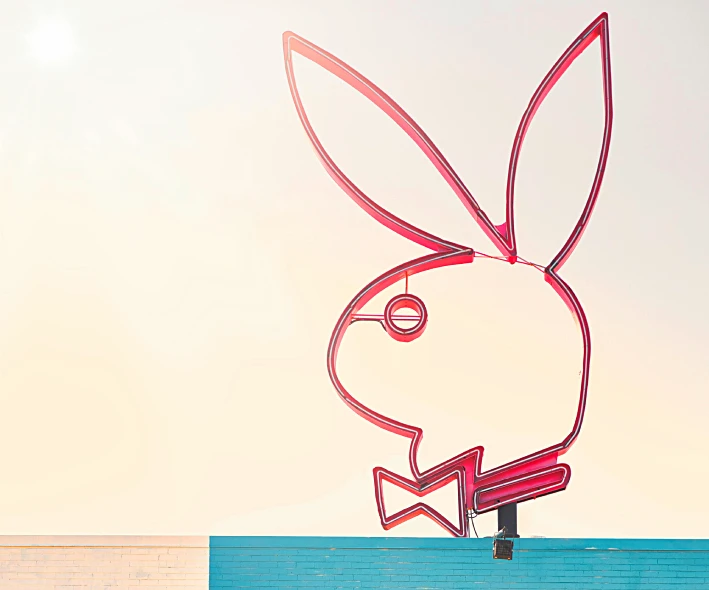
Playboy began life in 1953 as a men’s pornography and lifestyle magazine; in tandem with the photographs of seductively posed nude women, you could also read cutting edge journalism by established and revered writers – James Baldwin, Margaret Atwood, Roald Dahl, to name a few. It would go on to become a huge empire, opening clubs and bars, building the infamous Playboy mansions which housed the models and girlfriends of founder Hugh Hefner, followed by the launch of Playboy merchandise and spin off reality TV shows of Hefner’s own personal harem of Playboy models. Over the decades the company has extended beyond pornography to become a part of America’s cultural zeitgeist, and since filtered down to an audience of girls and women who look up to the models and actresses who do provocative, beautifully photographed nude or semi nude centrefolds for the magazine. We dress up as the Bunnies, wear the branded clothing, buy the jewellery and collect rare Playboy memorabilia.
The Playboy Bunnies themselves were not models for the magazine, they were hard working waitresses/hostesses in the Playboy Clubs. When the clubs opened this was actually a desirable career for women, a seemingly hopeful stepping stone for potential actresses, dancers or singers and an escape from the limited career paths in the 1960s. Hopeful that they would get discovered and stardom would follow, and for some it did; Debbie Harry, for instance. The screening process to get the job was intense and highly exclusive; exacting training, invasive physical examinations, essentially nothing that a regular waitress would be expected to do to get the job. However, many ex-Bunnies say the job made them feel confident. They were working a job where they could feel glamorous and dress up, and the exclusivity of wearing the famous Bunny costume had some kudos.
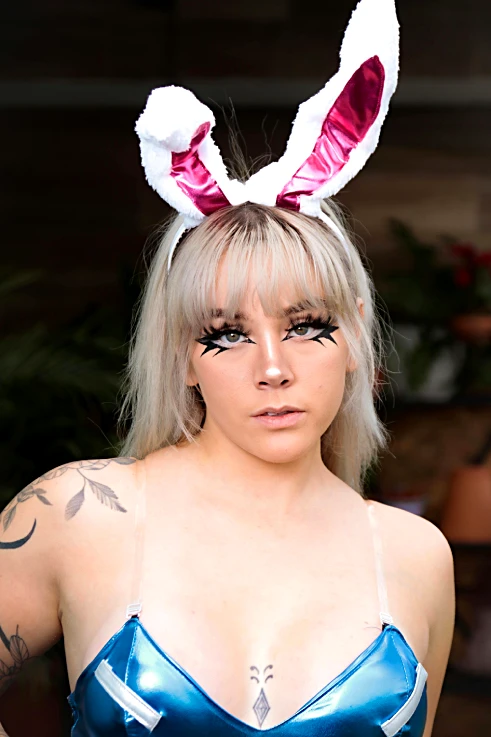
The desire to be a Bunny is not difficult to understand, we see in pictures and clips from the clubs these elegant, smiling, happy girls, with fabulous hair and make-up. The uniform was glamorous and beautifully made. The burlesque style bodysuits cinched a Bunny’s waist by two inches, cut high to lengthen the legs, the addition of the furry Bunny tail for extra cuteness and a shirt collar and tie choker and cuffs, a nod to being a gentleman’s girl, and of course inspired by Playboy’s logo. All Bunnies had to look pristine and expensive. There were also quaint and distinctive quirks to the job such as the famous “Bunny Dip” which was a manoeuvre they had to master, to bend back at the knees when placing drinks on the tables so as not to have a costume malfunction or show off too much flesh. The look and job became one of the ultimate symbols of feminine sexuality that is recognised by all; it seemed every girl wanted to be a Bunny.
However, the Bunny costume has darker connotations than just the promise of assertive sexuality and a fun night out. The Bunny costume represents decades of sexual assault, control, exploitation and severely poor working conditions. In 1963, writer and feminist activist Gloria Steinem went undercover as a Bunny for an article in SHOW magazine. What started out as a potentially humorous insider piece about what the Bunnies got up to behind the scenes, turned into an exposé on the horrific treatment Steinman and her fellow Bunnies received. From having to control and deter drunk, thirsty men all night, to not being paid enough to live; these women were essentially exploited to please and satisfy men. The Bunny costumes were actually extremely uncomfortable and unforgiving, with two shafts of metal digging into their bodies during their long shifts. The Bunnies were regularly weight checked and punished by the severe pain of their unaltered costumes. They were on their feet all day in no lower than 4 inch high heels that destroyed their feet; some say they had to stick their feet in the toilet and flush over and over to take the swelling down during breaks. There was no room for error in the role as a Bunny, if they stepped an inch out of line, with threats of losing their jobs. The men who frequented the clubs would tease them, sexualise them, some even followed them home after hours, trying to pursue them, and, in some cases, sexually assault them; if it was outside the club, they could get away with it. Despite Hefner’s rule to “look but don’t touch”, the attitude of the “Playboy” was that if you were a Bunny and wore the Bunny costume you were asking for sexual attention and were fair game. Well, we all know what bunnies do!
Despite claiming to stand for sexual liberation, over the years Playboy has been outed for their sexual exploitation and abuse of power countless times, most recently in the 2022 docuseries Secrets of Playboy, where each episode highlighted the horrors experienced by the women who worked, modelled and had any kind of association with Playboy, Hugh Hefner and many of the famous and non-famous associates. One episode on the Playboy clubs discusses the introduction of the clean up crew whose jobs were to silence and hide stories about Bunnies and models who were mistreated, sexually assaulted and abused in order to keep the clean reputation of Playboy and most importantly ensure these stories never made it to the press. Under the guise of protecting these women, Playboy was, of course, only protecting their reputation.
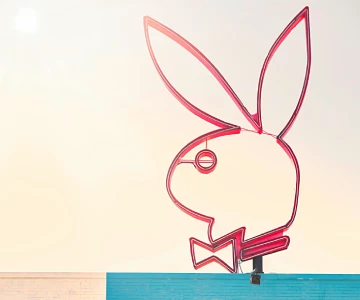
I imagine that people who dress up as Playboy Bunnies may not be aware that the connotations of this costume and all that is associated with Playboy is moored in oppression and sexual exploitation but for now lets not dig any deeper. The Bunny costume was originally inspired by the magazine’s logo – the bunny in a bow-tie – designed for women to serve men. Again I reiterate that we all know what bunnies do…
It’s good to have fun in costume, to present an alter ego but it is also important to know what is being characterised when one puts on the bunny ears, tails and ties, and to think about the dark history behind that very costume.
words Bella Blue Bloss