Some homes sell almost immediately. Others linger, even when the price seems fair and the features check all the boxes. The difference often isn’t square footage, location, or even upgrades.
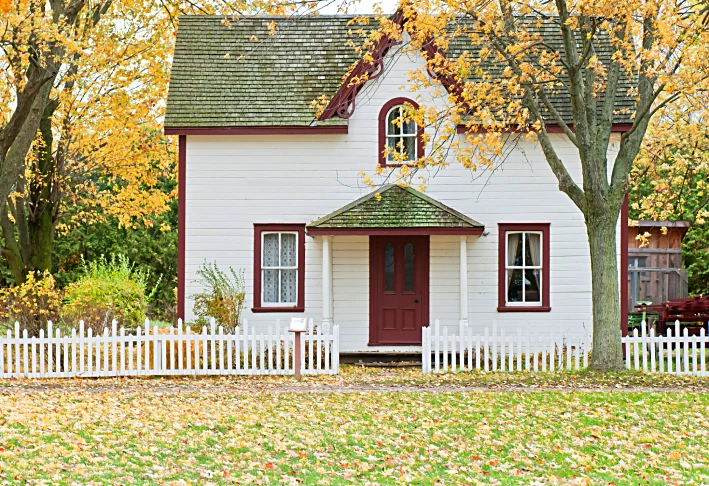
Buyers don’t just shop for homes with their calculators. They shop with their instincts. Long before logic kicks in, something emotional happens during a home tour—and that moment can determine whether a buyer leans in or quietly moves on.
Understanding why that happens can explain a lot about how homes sell in today’s market.
1. Emotional Triggers During Home Tours
The first few minutes inside a home matter more than most people realize. Buyers are absorbing details quickly—light, layout, sound, even scent. These aren’t things they always talk about out loud, but they shape how comfortable the space feels.
A bright entryway, natural light in a living room, or a quiet backyard can trigger a sense of ease. Clutter, awkward flow, or harsh lighting can do the opposite. These reactions happen fast, often before buyers start mentally comparing prices or features.
It’s not about perfection. It’s about comfort. When a space feels welcoming, buyers stay longer, ask more questions, and imagine daily life there. That emotional engagement sets the tone for everything that follows.
2. First Impressions vs. Logic
Buyers like to believe their decisions are rational. And eventually, logic does play a role. Budgets matter. Inspection reports matter. Comparable sales matter.But first impressions almost always come first.
A buyer might logically know that a home fits their needs, yet still feel hesitant if something about the space doesn’t click. On the other hand, a home that feels right can earn patience—even if it’s missing a few ideal features.
This is why early engagement is such a powerful indicator. When buyers linger, revisit, or talk about a home afterward, they’re processing more than numbers. Sellers who want to see how buyers usually warm up during this phase often find that engagement builds gradually, not instantly. That warming period is a normal part of decision-making, not a sign of disinterest.
Understanding this balance between logic and instinct helps explain why some homes convert interest into offers faster than others.
3. How Buyers “Feel” a Space Before Committing
Feeling a space doesn’t mean being emotional in a dramatic way. It’s quieter than that.
Buyers notice whether rooms flow naturally. They pay attention to how the home feels at different times of day. They imagine routines—morning coffee, evening downtime, weekends with friends. If those moments feel easy to picture, confidence grows.
This emotional alignment often happens before commitment. A buyer might not be ready to make an offer, but they’re mentally placing themselves in the home. That’s an important step.
When sellers understand this, they’re less likely to panic if an offer doesn’t arrive immediately. Feeling comes before action.
4. Why Engagement Builds Over Time
One of the biggest misconceptions in real estate is that serious buyers act quickly every time. In reality, engagement often unfolds in stages.
A buyer may tour a home, think about it, compare it to others, and then come back. They may watch how long it stays on the market. They may talk it through with family or advisors. None of this means they’re uninterested.
Data consistently shows that commitment often follows familiarity. The more comfortable a buyer feels with a home, the easier it is to imagine making a long-term decision.
This pattern isn’t unique to real estate. It mirrors how people make decisions in many areas of life. Big choices take time, especially when emotion and logic are both involved.
5. Cultural Shifts in How People Evaluate Homes
How buyers evaluate homes has changed over the last decade. Lifestyle now plays a bigger role than status. Function often matters more than formality.
Buyers today tend to value comfort, flexibility, and authenticity. They want homes that support how they actually live, not just how a space looks in photos. This cultural shift has made emotional resonance even more important.
Homes that feel adaptable, calm, and intentional tend to stand out. Buyers respond to spaces that feel livable rather than staged beyond recognition. The idea of “feeling right” has become just as important as checking off features.
6. The Subtle Signals That Build Confidence
What makes a home feel right isn’t always obvious. Often, it’s a collection of small signals working together.
Things like:
- Clean, uncluttered rooms that feel easy to move through
- Natural light that changes pleasantly throughout the day
- Neutral tones that don’t overwhelm
- Outdoor spaces that feel usable, not just decorative
These elements reduce friction. They help buyers relax. And relaxed buyers make clearer decisions.
When a home removes doubt instead of adding it, the path to an offer becomes much shorter.
Conclusion: Feeling Comes Before the Sale
Homes sell faster when buyers feel confident, comfortable, and emotionally aligned with the space. That feeling doesn’t replace logic—it works alongside it.
Understanding buyer psychology helps explain why timelines vary and why engagement often builds gradually. It also reminds sellers that hesitation isn’t always rejection. Sometimes, it’s just part of the process.
In today’s market, the homes that move fastest aren’t always the biggest or newest. They’re the ones that feel right.