

Your kitchen setup shapes everything you cook and serve. Good equipment pays off in food quality and lower energy bills. Bad choices lead to constant repairs and wasted ingredients.
Most people focus on price tags and brand names. They miss the bigger picture. The right gear depends on your space and how you work. A commercial fridge great for busy restaurants might be overkill for small cafés. A cheap freezer might cost more later in spoiled food.
Getting expert advice helps. A Toronto refrigeration company can walk you through specs that matter. They know which models last and which break down fast. That knowledge saves money and frustration.
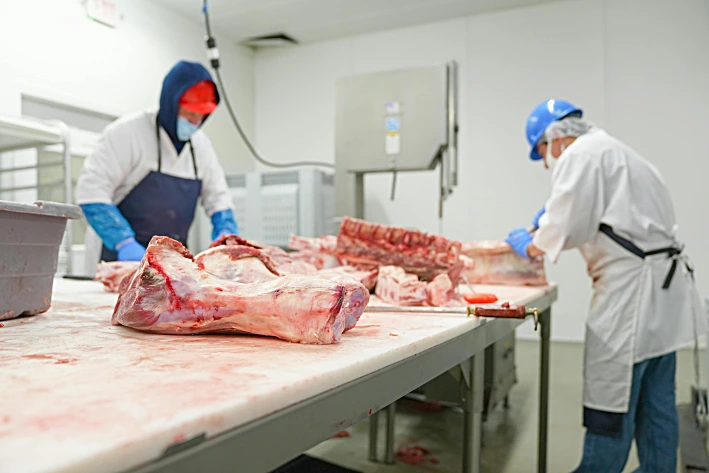
Photo by Mark Stebnicki
Consider Your Actual Space and Workflow
Measure twice, buy once. Write down your exact dimensions before shopping. Include ceiling height, door widths, and any obstacles. Leave room for ventilation and service access. Most commercial refrigeration needs three inches of clearance on all sides.
Think about how you move during rush periods. Equipment placement affects speed and safety. Your cold storage should sit near prep areas. Hot equipment belongs away from refrigeration. This cuts energy costs and prevents accidents.
Check your electrical capacity too. Many commercial units need 220-volt outlets. Some require dedicated circuits. Installing new electrical runs costs money. Factor that into your budget from the start.
Prioritize Temperature Control and Food Safety
Temperature consistency matters more than fancy features. Your refrigeration should hold steady at 38°F or below. Freezers need to stay at 0°F. Even small fluctuations spoil food and create health risks.
Digital thermometers with alarms protect your inventory. They alert you before temperatures climb too high. The FDA recommends checking temperatures daily to prevent foodborne illness. Some units come with monitoring built in. Others need aftermarket additions.
Look for models with good insulation and tight seals. Pay attention to these features:
- Glass doors look nice but lose cold air faster
- Solid doors maintain temperature better over time
- Stainless steel interiors clean easier than plastic
- Metal surfaces resist bacteria better long term
Look Beyond the Price Tag
Cheap equipment costs more over time. Budget models use inferior compressors and thin insulation. They break down faster and run less efficiently. Repair calls add up when parts fail regularly.
Quality gear lasts ten to fifteen years with care. Budget models might give you three to five years. Do the math on replacement costs and downtime. Spending more upfront often saves thousands later.
Check warranty terms carefully. Good manufacturers back their products for three years minimum. Some offer longer coverage on compressors. Extended warranties signal confidence in build quality. Short warranties should raise red flags.
Think About Energy Efficiency
Your refrigeration runs nonstop every single day. Energy Star certified models use 10 to 40 percent less power. That difference shows up in monthly bills. Over five years the savings often exceed equipment cost.
Modern compressors and fans work smarter. They adjust speeds based on cooling needs. Older units just run full blast constantly. Variable speed technology cuts energy waste without hurting performance.
Better insulation also reduces runtime. Here’s what makes a difference:
- Thicker walls keep cold air inside longer
- Less cycling means reduced wear on components
- Your compressor runs less frequently overall
- Parts last longer with less strain
Making Smart Purchasing Decisions
Buy from suppliers who service what they sell. Local dealers provide faster repairs and better support. They stock common parts and know your equipment well. Online bargains seem great until something breaks on Saturday afternoon.
Ask about installation services. Professional setup prevents problems down the road. Technicians level units properly and check all connections. They test systems before leaving. This catches defects while equipment is still covered.
Read reviews from actual users in your industry. Restaurant owners have different needs than caterers or grocery stores. Find feedback from people running similar operations. They mention real issues that marketing materials skip.
Plan for maintenance from day one. Keep these tasks on schedule:
- Regular cleaning and inspections
- Filter changes on time
- Condenser coils kept dust-free
- Seals checked for wear and tear
Small preventive steps avoid big repair bills. Most equipment failures stem from neglect, not defects.

Photo by Anna Shvets
Your Next Steps
Start with a clear needs assessment. List what you store and how much space you have. Include your budget limits in planning. Get quotes from three suppliers minimum. Compare total costs including delivery and installation.
Visit showrooms when possible. See units running in person. Open doors and feel the seals. Check how shelves adjust and how interiors clean. These details matter when you use equipment daily.
Good kitchen equipment serves you for years. It keeps food safe and cuts energy costs. It handles daily demands without breaking down. Take time to research and choose wisely. Your future self will thank you every single time you open that reliably cold fridge.