The Galápagos Islands provide an unmatched display of natural beauty. It exists in a few other locations. The distant Pacific archipelago presents a combination of uncommon animal species and volcanic scenery and clear ocean waters, which create an almost dreamlike effect when viewed through a camera. The various excursions of the area provide visitors with opportunities to capture picture-perfect scenes, ranging from detailed wildlife close-ups to vast coastal views.
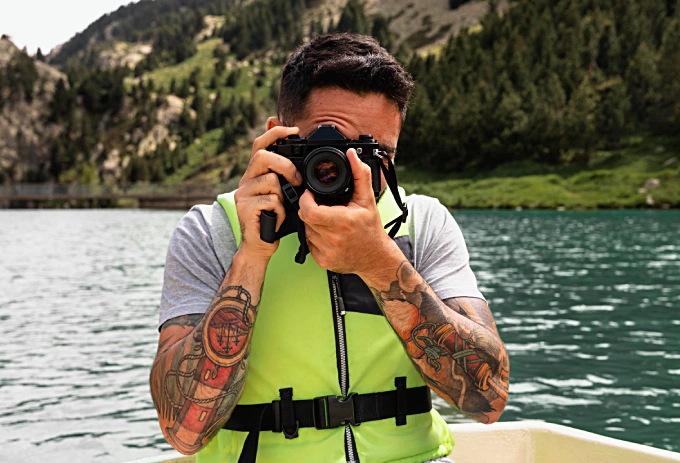
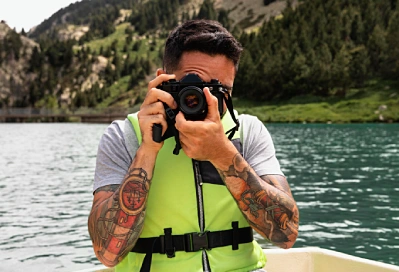
Freepik/ A man getting ready to capture nature
Capturing the Galápagos from Sea to Shore
Galápagos cruise photography provides travelers with their best chance to experience an extraordinary journey that combines volcanic landscapes, native animal species, and high-end luxury. Private Galapagos tours allow visitors to see the equator between Ecuador and the Galápagos Islands and observe giant tortoises alongside marine and land iguanas, sea lions, and Galápagos penguins within the ecosystem.
Wildlife Encounters That Define the Galápagos
The islands are famous because they contain species that exist nowhere else on Earth. The animals show less fear of humans, which enables photographers to capture images from safe but exceptionally close positions.
The bright red and orange Sally Lightfoot crabs create a visual contrast, standing out against the dark lava rock shorelines. Marine iguanas form groups on black volcanic outcrops, which they use to expel salt through their bodies. The males display bright colors during their mating season, especially on Española Island, where the Christmas iguanas show green and red colors.
The blue-footed booby stands among the most recognizable birds because of its turquoise feet and energetic mating displays. The photographer needs to wait until the subjects complete their synchronized walking pattern or their diving sequence. The nesting colonies on North Seymour Island create perfect locations for observing birds.
The waved albatross, found mainly on Española island displays its eight-foot wingspan, which attracts all viewers. The cliff-edge takeoff shots produce strong visual effects because they show airplanes leaving the runway against a wide ocean view.
The Galápagos penguin stands as the only penguin species existing north of the equator, making it an exceptional subject for tropical wildlife photography. The smaller penguins dart through waters close to Isabela Island.
Frigatebirds dominate the skies above their nesting areas because of their male birds with scarlet throat pouches, which they can inflate. The birds create active movements that produce exciting visual content when they show their mating behaviors.
Giant Tortoises & Highland Landscapes
The Spanish word “galápago” translates to tortoise because the ancient reptiles historically populated the region. Today, giant tortoises remain one of the most sought-after photography subjects in the archipelago.
Visitors to the Fausto Llerena Breeding Center can document conservation work and take pictures of hatchlings and adult tortoises. The facility operates through a partnership between the Charles Darwin Research Station and Galápagos National Park to rehabilitate thousands of animals for their return to natural habitats.
The Santa Cruz highlands serve as a natural habitat where wild tortoises roam across grassy meadows and under prickly pear cacti. The morning fog creates an atmosphere that produces ideal conditions for photographers who want to capture moody compositions and depth.
Underwater Photography Highlights
The snorkeling excursions show how underwater environments undergo an entire visual metamorphosis. Sea lions swim through transparent waters to investigate people who swim in their vicinity. The underwater portraits become energetic because their body movements allow them to exhibit playful behavior.
Pacific green sea turtles swim smoothly along reef boundaries while reef sharks swim peacefully through the water beneath them. Schools of tropical fish display their bright colors, which contrast with the coral reefs. The location demands wide-angle lenses because they help photographers capture both underwater subjects and extensive ocean views.
The Española Island Gardner Bay area serves as a resting place for large colonies of sea lions, which occupy its pale sand beaches. People can experience underwater wildlife encounters when they enter the water from the beach. Kicker Rock features a channel that is well known for its diverse marine species.
Dramatic Geological Formations
The Galápagos Islands were formed through volcanic activity, and that geological origin remains evident across the archipelago.
Kicker Rock (León Dormido)
Kicker Rock rises approximately 500 feet above the Pacific Ocean. Two towering rock formations separated by a narrow channel create one of the region’s most recognizable silhouettes. Early morning and late afternoon light add dimension to its textured surfaces.
Pinnacle Rock
Pinnacle Rock stands just offshore from Bartolomé Island, framed by rust-colored volcanic slopes and turquoise water.
Climbing to Bartolomé’s summit offers a panoramic perspective that includes lava flows, crescent beaches, and scattered islets. The contrast between dark volcanic terrain and bright ocean hues produces dramatic wide-angle compositions.
Key Islands for Photographers
Numerous islands maintain their status as the most visually appealing locations throughout the year.
- San Cristóbal: Gateway to iconic rock formations and seabird colonies.
- Santa Cruz: Highland tortoise habitats and research centers.
- Española: Albatross breeding grounds and vibrant marine iguanas.
- Isabela: Penguin sightings and expansive volcanic scenery.
- Floreana: Historic sites and diverse marine life.
The Galapagos Islands National Park protects 97% of its land area, which results in preserved natural landscapes and healthy native species populations.
Bird Photography Highlights
People continue to enjoy watching blue-footed boobies because they remain popular among audiences. The Nazca and red-footed booby birds create interesting study opportunities that compete with blue-footed boobies. Flightless cormorants, which people usually find on Isabela and Fernandina islands, display their special wingless behavior through their limited flying abilities.
Darwin’s finches maintain their scientific relevance because their existence supports Charles Darwin’s evolution theory. The small size of these birds creates various beak shapes, which photographers can use to develop their visual storytelling through their craft.

Freepik/Close-up shot of a bird on one of the shores
Quito: A Cultural Prelude
Before reaching the islands, many travelers explore Ecuador’s capital city.
Quito offers a striking colonial old town recognized as a UNESCO World Heritage Site.
Landmarks such as the Basilica del Voto Nacional, Independence Plaza, and hilltop views from El Panecillo provide architectural contrast to the wild landscapes awaiting offshore.
Why the Galápagos Remains Unmatched
The few accessible locations on Earth showcase native animal species together with their distinctive geological features and oceanic environments. The opportunity to photograph ancient tortoises that graze peacefully together with marine iguanas who display their bodies on volcanic rock and playful sea lions, who swim underwater while viewing the vast ocean, creates a rare experience.
Each trip from Santa Cruz highlands to Española cliffs and Kicker Rock channels produces different visual results. The Galápagos Islands provide photographers who want to capture authentic biodiversity through its distinct elements with multiple chances to create remarkable photographs.