
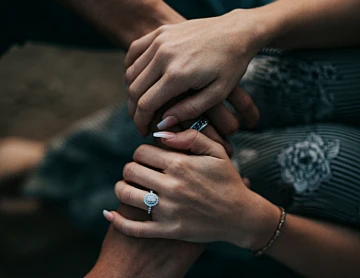
Diamond selection involves multiple factors that affect both appearance and practicality. The shape you choose determines how the ring looks on your hand, how it fits your daily activities, and how much you’ll spend. Current market data shows elongated fancy shapes gaining traction in 2025, with oval, pear, and marquise cuts accounting for increased sales alongside the traditional round brilliant that maintains 40-45% market share.
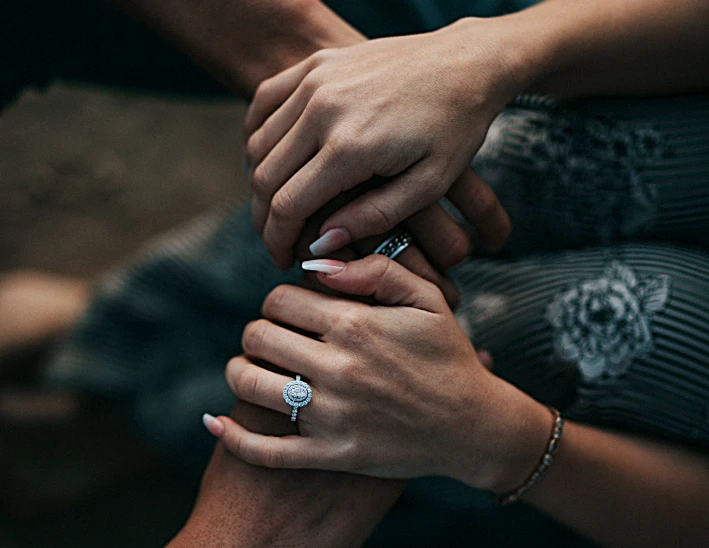
How Each Shape Changes Your Hand’s Appearance
Different diamond shapes create distinct visual effects on fingers. Oval diamonds lengthen shorter fingers by drawing the eye vertically along the stone’s axis. This same principle applies to marquise and pear shapes, though marquise cuts create the most pronounced lengthening effect due to their pointed ends. Pear shapes offer a softer version of this elongation while maintaining romantic appeal.
Round brilliants work well on all hand types because their symmetrical outline doesn’t emphasize finger width or length in any particular direction. Princess cuts suit long, slender fingers best since their square or rectangular shape can make shorter fingers appear wider. Cushion cuts adapt to various finger types depending on their specific proportions and the chosen setting.
Hand Movement and Daily Activities
Your daily routine determines which diamond shapes work best for your lifestyle. An oval shaped diamond sits lower on the finger than a princess cut of the same carat weight, making it less likely to catch on clothing or bump against surfaces. Emerald cuts and radiants share this low-profile advantage, while marquise and pear shapes extend further from the hand and require more careful movement during typing or manual tasks.
Professional settings often favor certain shapes over others. Healthcare workers and teachers frequently choose bezel-set rounds or ovals since these shapes tuck close to the hand and won’t tear gloves or scratch surfaces. Musicians who play string instruments report that east-west set marquise or oval stones interfere less with finger placement than north-south orientations. Heart and princess cuts with their pointed edges tend to snag fabric more often than cushion or round stones.
Step Cuts Versus Brilliant Cuts
The distinction between shape and cut affects both appearance and pricing. Shape refers to the diamond’s outline when viewed from above, while cut describes the facet arrangement. Brilliant-style shapes include round, oval, pear, and radiant diamonds. These maximize sparkle through their facet patterns and hide inclusions effectively at lower clarity grades.
Step cuts like emerald and Asscher shapes feature parallel facets that create a hall-of-mirrors effect. These cuts emphasize clarity and color rather than sparkle, so buyers typically select higher clarity grades for these shapes. The linear facets of emerald cuts also provide architectural sophistication that appeals to minimalist preferences.
Financial Considerations by Shape
Round diamonds cost more per carat than fancy shapes due to production yield and demand. A one-carat oval typically costs 20-30% less than a round of comparable quality while appearing larger when viewed from above. Marquise and pear shapes offer similar value propositions, facing up approximately 15% larger than rounds of equal carat weight.
Cushion and princess cuts sometimes provide better value during promotional periods since retailers stock these shapes less frequently in 2025. Radiant cuts fall between rounds and other fancy shapes in pricing, offering brilliance comparable to rounds at lower cost points.
Settings That Complement Specific Shapes
Each diamond shape pairs differently with various setting styles. Marquise and pear shapes require V-prongs or protective settings at their pointed ends to prevent chipping. Emerald cuts look best in four-prong settings that showcase their clean lines without excessive metal work. Round brilliants accommodate virtually any setting style from classic solitaires to elaborate halos.
East-west settings have gained popularity for elongated shapes, positioning the stone horizontally across the finger rather than vertically. This orientation works particularly well for oval and marquise diamonds on wider fingers, creating visual width rather than length. Hidden halos beneath round and cushion stones add sparkle without increasing the ring’s profile or bulk.
Personal Style and Shape Selection
Heart-shaped diamonds appeal to buyers seeking unconventional designs. These shapes work best on medium to longer fingers since their width can overwhelm smaller hands when set as solitaires. The playful nature of heart shapes suits those who prefer romantic symbolism over traditional aesthetics.
Toi et Moi rings, combining two different shapes, have gained traction among buyers wanting personalized designs. Common pairings include pear with emerald or oval with marquise, creating asymmetrical designs that tell individual stories. Gender-neutral designs incorporating multiple shapes or colored gemstone accents allow buyers to express personality beyond traditional single-stone rings.
Durability Factors
Active lifestyles require consideration of shape durability. Round and oval diamonds have no sharp corners or pointed tips, making them ideal for people who work with their hands or participate in sports. Their smooth curves resist chipping and catching better than angular shapes.
Emerald, princess, and marquise cuts contain vulnerable points that need protection through appropriate settings. Square corners on princess cuts and pointed tips on marquise diamonds face a higher risk of damage from impact. Protective settings become essential for these shapes, particularly for those who don’t remove rings during physical activities.
Making Your Final Decision
Shape selection ultimately depends on balancing visual preferences with practical needs. Short fingers benefit from elongated shapes like oval or marquise, while longer fingers accommodate princess or emerald cuts well. Budget constraints might point toward fancy shapes that offer better value than rounds. Active lifestyles suggest rounder shapes with fewer vulnerable points.
Try-on tools and side-by-side comparisons help visualize how different shapes look on your specific hand type. Retailers now offer interactive features that show the same carat weight across multiple shapes, making size and proportion differences apparent. Consider your daily activities, professional requirements, and long-term wearability alongside aesthetic preferences when making your selection.