
City living is nothing new. In many ways, modern society is built around it, and has been since the early days of modern capitalism. Even in a world where a vast majority of people cannot afford to live in our nation’s capital, a significant number of households are content with living in commuter towns on London’s outskirts just to benefit from the industrial, cultural and societal trappings of urban life.
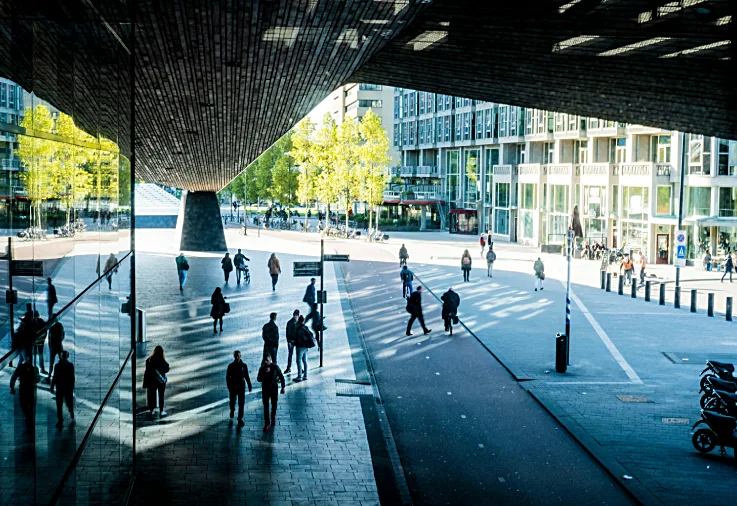
And why shouldn’t urban living remain aspirational, particularly to the younger generations? Even as the costs associated with urban life continue to spiral upwards, more and more young professionals resolve to live in cities. What follow are some of the key reasons why.
Proximity to Employment and Career Opportunities
It is difficult to talk about city living without acknowledging the fundamental purpose of the city – to enable trade. Cities may live and breathe, but they do so with a primary function, a function which causes even the rural-dwellers amongst us to consider the city their professional centre.
Gainful employment can be found across the country, but living in a city offers young professionals especially easy access to a wide variety of job opportunities across industries – but especially in tech, finance, and creative industries. The high concentration of opportunities in city centres may be by design, but comes with additional benefits above and beyond that design; these benefits enable networking and personal career growth like no place else.
A Vibrant Housing Market
City living is made easier by the ready availability of accommodation – something which cannot quite be said for London, but which absolutely applies to up-and-coming Northern cities with a great deal of creative and cultural capital to their name. Manchester is a great example, as its stock of rental options continues to grow with shrewd investment and expansion.
Apartments to rent in Manchester are incredibly varied, from studio flats in the thriving Northern Quarter to professional apartments in Spinningfields to multi-bedroom properties on the outskirts of the centre. As such, there are well-located properties to suit any lifestyle – though only the bravest might seek to live in Fallowfield.
Access to Public Transport and Connectivity
Urban centres are necessarily well-connected, a fact which also greatly benefits those that deign to live in them. The importance of public transport networks cannot be understated, even as someone who might be living within walking distance of most amenities. Such proximity considerably reduces the need for a car, benefiting young professionals seeking to benefit professionally and socially.
A Vibrant Social and Cultural Life
Speaking of which, the final and most compelling cause for growing interest in city living is just that – the innumerable cultural perks, from music and arts events to dining, drinking and a host of other dynamic and socially-engaging activities primed to appeal to younger generations. It’s all well and good to visit a city for its nightlife; what if you could live within it?
words Alexa Wang