The algorithm didn’t kill arts publishing. It just cleared out the ones that weren’t worth saving.
For a while there, it looked like the independent arts magazine was finished.
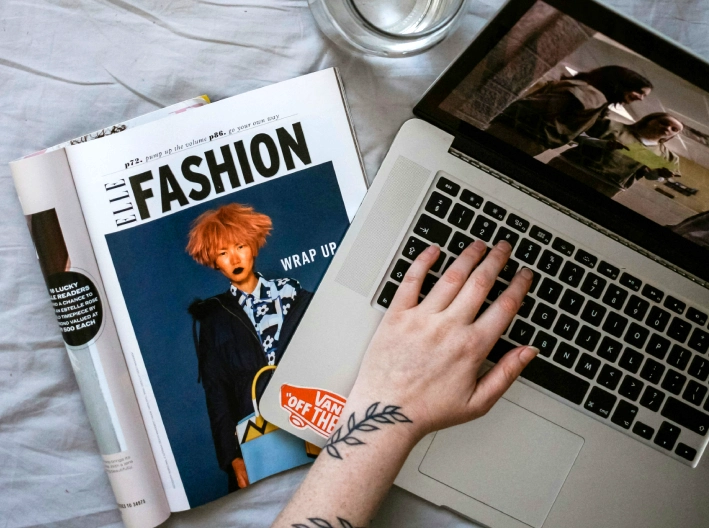
The mid-2000s through the early 2010s saw print titles fold one after another, casualties of a digital transition that nobody had quite figured out how to navigate. The ones that survived did so by chasing clicks, flattening their editorial voice, and optimizing for search engines rather than readers. The result was a decade of arts coverage that felt somehow both everywhere and nowhere, present in volume but absent in perspective.
Something has shifted. Not dramatically, not with any particular announcement, but steadily and in ways that are hard to ignore if you spend time in creative communities online. Independent digital arts publications with genuine editorial identities are finding audiences again. Not massive ones, not in the way that lifestyle content farms measure traffic, but loyal ones. Readers who come back. Readers who share because they actually want to, not because an algorithm served something in front of them.
What Killed the First Wave
The first generation of digital arts publishing made a fundamental mistake: it tried to replicate print on screen. Longer issues, PDF downloads, subscription paywalls that made sense in 1995 and almost none in 2010. The audience wasn’t there for that model and the economics were brutal. It didn’t take long to realize that flipping through a PDF version of an actual magazine is annoying.
The second mistake was chasing scale too early. Independent titles with real voices diluted those voices trying to appeal to everyone, lost what made them distinct, and found themselves competing on volume with outlets that had twenty times the staff and a hundred times the budget. That’s an unwinnable game and most of them lost it.
What survived, and what’s thriving now, tends to be smaller, more specific, and unapologetically itself. A magazine that knows exactly what it covers and who it’s for. One that has an editorial perspective rather than just a content calendar. One where the bylines are people, not departments.
The Creator Economy Changed the Math
Something the creative internet figured out slowly, and independent publishing is just catching up to, is that a thousand genuinely engaged readers are worth more than a million passive ones. Email newsletters proved this. Substack proved this. Patreon proved this repeatedly and loudly.
The same logic applies to arts publishing. An independent magazine with five thousand readers who actually care about contemporary art, photography, film, and writing is a more valuable thing, editorially and commercially, than a general interest site with five hundred thousand monthly uniques who arrived via a Google search and left in thirty seconds.
Advertisers are slower to understand this than readers are. But the model is working anyway, through community, through contributor relationships, through the kind of word-of-mouth that no algorithm can manufacture.
The Contributor Relationship Is Everything
One of the things that distinguishes the better independent digital publications from the content farms is how they treat contributors. The farms pay per click if they pay at all, demand content on a production schedule, and treat writers and artists as interchangeable parts.
The independents that are building something durable tend to treat contributors as collaborators. Photographers who retain rights to their own work. Writers who have editorial conversations rather than just receiving briefs. Artists who get genuine coverage rather than a thumbnail and three sentences.
This matters for a practical reason beyond the ethical one: it’s what attracts interesting contributors. The creative people doing the most original work are not submitting to outlets that treat them as content producers. They’re looking for platforms that take their work seriously and have readers who will too.
What This Means for Creative People Looking for a Platform
If you’re a working creative, a photographer, writer, filmmaker, artist, musician, designer, the independent publication landscape right now offers something that didn’t really exist a decade ago: genuine editorial homes that aren’t trying to be everything to everyone.
FEELING CREATIVE? is one of them. Launched as an independent digital magazine covering art, photography, film, music, tattoos, and writing, it operates from the premise that creative work deserves serious editorial attention regardless of whether the person making it is famous, represented, or commercially successful. Guest contributors retain their voice. Coverage is editorial, not pure promotional. The audience is people who take creative work seriously, even when they do it quietly.
It’s accepting submissions from writers, photographers, artists, and creative professionals who want a platform that treats their work with the same seriousness they bring to making it. Free to submit, permanent placement, real readers.
The independent creative magazine isn’t dead. It just had to figure out what (and who) it was actually for.
FEELING CREATIVE? is an independent creative digital magazine covering art, photography, film, music, tattoos, and writing. Submissions and contributor inquiries at feeling-creations.com.
Author Bio:
Mike Meyerson is the founder and editor of FEELING CREATIVE? (feeling-creations.com), an independent digital arts magazine based in New York’s Hudson Valley.