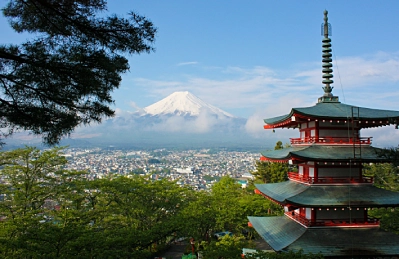
Japan is often spoken about as though it has a single identity, but travelling between its cities tells a different story. Everyday routines, local food, architecture and even the atmosphere on the streets change noticeably from one region to the next.
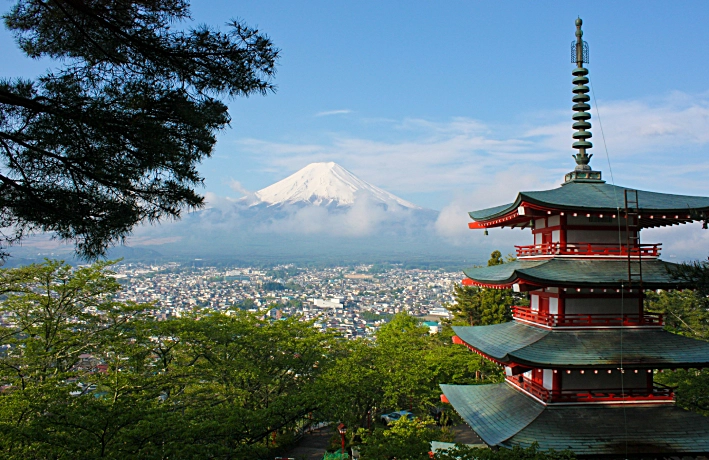
Spending time in more than one city quickly puts those differences into perspective. The places below each represent a distinct side of Japan, showing how geography and history continue to shape daily life across the country.
Hiroshima and the Inland Sea That Surrounds It
In Hiroshima, most people start with Peace Memorial Park. The Atomic Bomb Dome, Peace Memorial Museum and the rivers running through the centre explain why the city has become an international symbol of peace and remembrance.
A few blocks away, everyday life takes over. Hondori Shopping Street stays busy with commuters, students and shoppers throughout the day, while the covered streets nearby are filled with bakeries, bookshops and small independent businesses. Around the Motoyasu and Ota rivers, walking paths are popular with local runners well before breakfast.
When considering a cruise around Japan, Hiroshima offers the chance to visit one of the country’s most important historical cities while also exploring the Seto Inland Sea. Ferries leave regularly for nearby islands, and short crossings pass working fishing harbours, oyster farms and wooded coastlines that are part of daily life across this region.
Miyajima is only a short ferry ride away. Most people gather around the famous torii gate at high tide, though the quieter streets behind the waterfront contain craft shops, small temples and narrow lanes climbing gently towards the ropeway station.
Tokyo and the Culture of Modern Japan
Tokyo changes from one neighbourhood to the next so quickly that it almost feels like several cities stitched together. Around Marunouchi, office towers fill with commuters early each morning. Twenty minutes later, narrow streets in Yanaka have family-run shops, neighbourhood shrines and older wooden houses that survived redevelopment.
Asakusa is one of the best areas for seeing traces of older Tokyo. Nakamise Street fills early with people buying rice crackers, sweets and handmade souvenirs before reaching Sensō-ji Temple. Nearby side streets usually become quieter within a minute or two of leaving the main approach.
Markets continue to play an important part in daily life. Toyosu handles wholesale seafood, while Ameya-Yokochō beneath the railway tracks near Ueno is lined with fresh food stalls, clothing shops and market traders calling out prices throughout the afternoon.
Railway stations are destinations themselves. Large stations contain bookshops, department stores, supermarkets, and food halls, where people pick up dinner before heading home. During rush hour, platform markings matter. Missing the correct carriage can mean a much longer walk when arriving at the next station.
Kyoto and the Ancient Arts That Survived Modernisation
Kyoto still feels closely connected to the crafts that developed here over centuries. Nishiki Market stretches for only a few hundred metres, though almost every shop specialises in something different. Tea, pickles, dried seafood, handmade knives, tofu and seasonal vegetables all appear alongside ingredients that many households still buy regularly.
The streets around Gion reveal another side of the city. Hanamikoji is usually busiest during the afternoon, though arriving earlier means coming across delivery bicycles, shopkeepers opening wooden shutters and far fewer crowds. Small workshops continue producing ceramics, textiles, paper goods and lacquerware in nearby lanes.
Temple visits naturally fill many itineraries, but Kyoto changes once people start exploring its ordinary residential streets. Small shrines appear between houses, local produce stalls open beside quiet intersections, and canals lined with willow trees pass neighbourhoods that receive little attention compared with the city’s best-known landmarks.
Comfortable shoes are essential. Stone paths through temple grounds, narrow lanes and long days on foot add up over the course of the day.
Osaka and the Food Scene That Defines It
Food shapes daily life in Osaka long before the evening crowds arrive. Kuromon Market begins early, with fishmongers preparing seafood, greengrocers arranging seasonal fruit and vegetables, and kitchen suppliers selling everything from chopsticks to professional cooking knives. Many shoppers are buying ingredients for dinner, not souvenirs.
Around Dotonbori, illuminated signs and canal walks attract plenty of attention, though neighbouring streets often provide a better picture of everyday life. Shopping arcades shelter local businesses from the weather, and queues outside takeaway counters start forming well before lunchtime.
Osaka Castle remains one of the city’s best-known landmarks, surrounded by broad parkland where people jog, picnic and gather during cherry blossom season. The stone walls are especially impressive up close, particularly near Otemon Gate where the scale of the original fortifications is most obvious.
The city’s underground network is extensive, and changing platforms can take longer. Allowing a few extra minutes between platforms is usually a good idea.
Sapporo and the Wilderness of Northern Japan
Sapporo has a noticeably different layout from many older Japanese cities. Wide streets, regular blocks and open public spaces reflect its relatively recent development during the nineteenth century. Odori Park runs through the middle of the city and changes throughout the year with flower displays, seasonal events and the famous Snow Festival.
Nijo Market is one of the best places to understand Hokkaido’s food culture. Crab, salmon, scallops, sea urchin, melons and sweetcorn all appear when they’re in season, alongside local dairy products that reflect the region’s farming industry.
The mountains are never far away. On clear days they’re visible from several parts of the city, reminding visitors how closely Sapporo sits beside forests, volcanic landscapes and ski areas. Local trains regularly fill with hikers carrying backpacks during summer, while winter brings skis and snowboards onto the same platforms.
Even outside the colder months, a light jacket proves useful during the evening. Hokkaido cools down much faster than much of the rest of Japan.
Which part of Japan would you start with?
Five cities barely scratch the surface of Japan, though they do show how much the country changes from one region to another. Hiroshima sits on the Inland Sea, Tokyo continues to evolve while older neighbourhoods remain part of the streetscape, Kyoto keeps traditional crafts alive, Osaka’s markets and shopping arcades revolve around food, and Sapporo reflects the landscapes of the north.
Japan is difficult to understand through landmarks alone. Time spent walking through residential streets, browsing local markets and using regional trains often reveals more about each place than a tightly packed sightseeing schedule. Taking things a little more slowly makes it easier to notice how each city differs from the next.
words Al Woods