
Some homes just have that feeling. They seem warmer, softer, and more welcoming the moment you walk through the door. Often, it is not because they are filled with expensive furniture or perfectly coordinated décor. The real difference is much simpler: layers.
Layering brings depth and personality to a room. Instead of everything looking flat or overly styled, different textures, materials, colors, and decorative details work together to make the space feel lived-in and comfortable. Better still, it is one of the easiest decorating techniques to experiment with.
Start With the Bigger Pieces
Every room needs a foundation. In a living room, that might be your sofa, coffee table, rug, and curtains. In a bedroom, it is usually the bed, bedside tables, flooring, and larger pieces of furniture.
Once these elements are in place, you can gradually build around them. This is often more effective than trying to choose every single item at once. Think of the larger pieces as the background rather than the entire finished look.
Keeping some of these foundational elements relatively simple can also give you more freedom to introduce personality through accessories later.
Mix Different Textures
Texture is where layering really starts to make a room feel inviting. A space containing nothing but smooth, similar surfaces can easily feel cold, even if the colors themselves are warm.
Try combining materials that have noticeably different finishes. You might pair a wooden coffee table with a soft rug, linen curtains, woven baskets, and plush cushions. Draping a heavy wool blanket across a sofa, armchair, or the end of a bed can add another cozy texture while also being practical when the temperature drops.
Natural materials are particularly useful because their slight variations help stop a room from feeling too polished or manufactured.
Build Up Soft Furnishings
Cushions, blankets, rugs, and curtains are some of the easiest things to layer because they can be changed without completely redecorating.
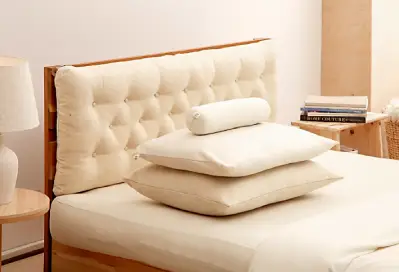
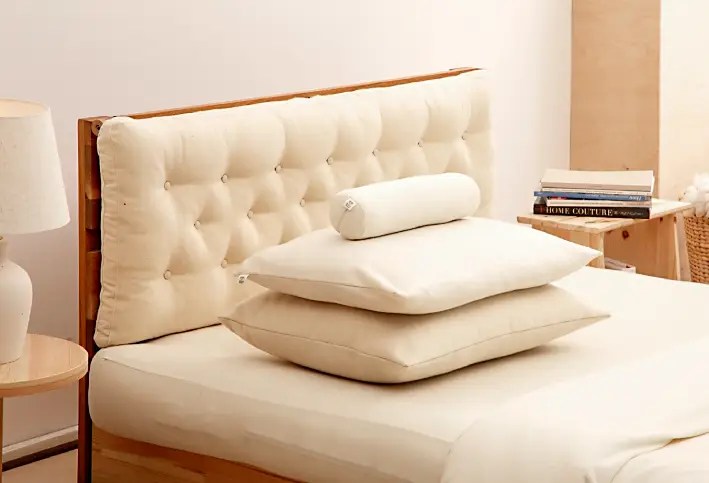
On a sofa, try mixing cushions in several sizes rather than using identical ones. On a bed, combine your regular bedding with a throw or blanket and a few extra pillows. You do not need dozens of accessories. A handful of thoughtfully chosen pieces can make a noticeable difference.
The goal is comfort, not clutter.
Layer Your Lighting Too
Lighting deserves just as much attention as fabrics and furniture. One harsh overhead light rarely creates a relaxing atmosphere on its own.
Instead, use several sources of light around the room. A ceiling fixture can provide general illumination, while floor lamps, table lamps, and smaller accent lights create softer pools of light in different areas.
This also gives you more control over the mood of the room throughout the day. Bright lighting might be useful while working or cleaning, while softer lighting can make evenings feel instantly calmer.
Let the Room Evolve
Perhaps the nicest thing about layering is that your home does not need to look finished overnight. In fact, rooms often feel more personal when they have developed gradually.
Add artwork you genuinely like, books you actually read, objects picked up while traveling, family photos, plants, or pieces that have sentimental value. These smaller layers tell a story and help turn a decorated room into somewhere that feels distinctly yours.
An inviting home is rarely about following one particular style perfectly. It is about creating depth, warmth, and enough softness that people feel comfortable settling in. Layer by layer, those small details can completely change how a room feels.
words Alexa Wang