
Moving far changes how convenience shows up in daily life. Distance stretches routines that once felt automatic, turning simple tasks into choices that require a bit more thought. Time starts carrying weight differently, and decisions feel connected to planning rather than impulse. Convenience stops feeling like something that exists everywhere and starts feeling like something that needs to be managed.
Moving from places like Nashville often makes this shift noticeable early on. A place where errands, services, and social plans fit easily into a day gives way to a setting where distance reshapes expectations. Familiar patterns no longer apply in the same way. Convenience becomes tied to preparation, awareness, and learning how a new place actually works rather than how it looks on a map.
Logistics
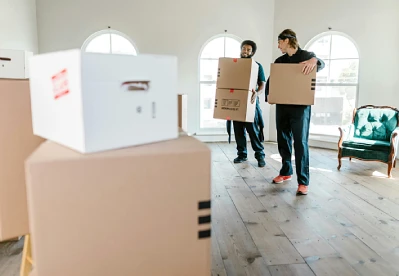
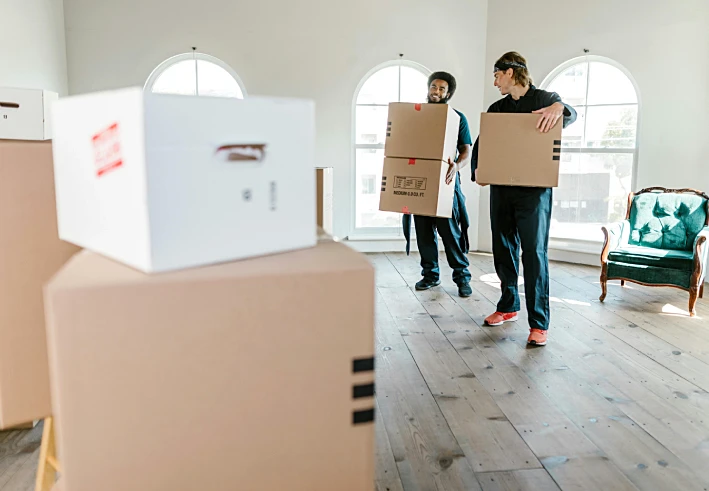
Once the distance stretches far enough, handling a move independently becomes impractical. Packing, transportation, and timing grow more complex as mileage increases. Logistics turn into a coordinated process rather than a short-term task. The focus moves toward organizing steps in advance instead of relying on flexibility.
People often realize this while mapping out routes, timelines, and shipment needs. Coordinating furniture transport across several states or managing delivery windows highlights why services like Nashville cross country movers become part of the plan. Their involvement shows how moving far requires planning that accounts for distance, scheduling, and reliability rather than last-minute effort.
Errands
Errands change shape after a long-distance move. Casual stops and spontaneous add-ons fade as travel time becomes a factor. Tasks start getting grouped, and days feel structured around what needs to be done rather than what feels convenient in the moment.
This shows up in small but noticeable ways. Grocery trips get scheduled around workdays, supply runs are planned weekly, and return trips are avoided by double-checking lists. What once took a few minutes now gets handled with intention, turning errands into organized routines rather than quick detours.
Access
After moving far, convenience begins to center on access instead of volume. Having one dependable option matters more than having many unfamiliar ones. Ease comes from knowing where to go and what to expect rather than choosing between endless alternatives.
As such, this becomes clear when settling into new routines. Finding one reliable pharmacy, one grocery store that stays consistent, or one service provider who understands local needs brings a sense of stability. Access becomes practical and reassuring, shaping comfort through familiarity rather than abundance.
Local Knowledge
Quick online searches lose some of their usefulness once lived experience becomes more valuable. General information often misses details that matter day to day. Local knowledge fills that gap by offering insight grounded in routine rather than ratings.
This trend becomes obvious through everyday needs. Learning which repair services actually show up on time, which routes stay passable during certain seasons, or which offices process requests smoothly makes life easier. Information gathered through conversation and experience starts replacing fast searches as a form of convenience.
Repairs
Repair and maintenance tasks take on a different tone after moving far. Scheduling becomes essential as availability tightens and response times vary. Advance coordination becomes part of keeping a household running smoothly.
This shows itself when something needs attention. Booking a technician weeks ahead, aligning schedules with limited service windows, or planning maintenance around travel distances becomes routine.
Appointments
Appointments take on a different role after moving far. Time no longer feels elastic, and availability becomes something that needs to be respected rather than negotiated. Scheduling begins to shape the flow of the week, influencing how other plans are built around it. Convenience shifts toward honoring set times and understanding that rescheduling carries consequences beyond mild inconvenience.
Moreover, this becomes clear with medical visits, service appointments, and administrative tasks that operate on limited windows. A missed appointment can mean waiting weeks for another opening. Planning travel time carefully, arriving early, and confirming details ahead of time become habits that support smoother days rather than restrictions on flexibility.
Weather
Weather becomes a direct factor in mobility once distance increases. Conditions influence whether plans remain realistic or need adjustment. Travel routes, timing, and energy levels respond to environmental factors that were once easy to ignore. Awareness of the weather becomes part of daily planning rather than a casual check.
This shows up during seasonal transitions or sudden changes in conditions. Snow, heavy rain, or extreme heat can affect road access, service availability, and safety. Checking forecasts becomes a practical step tied to movement decisions, shaping schedules and expectations in ways that feel necessary rather than cautious.
Preparation
Preparation grows into a form of convenience after moving far. Thinking ahead reduces friction during the day and limits the need for last-minute problem-solving. Planning supports manageable routines and lowers the mental load of constant decision-making. Convenience settles into structure rather than impulse.
This appears through habits such as organizing errands ahead of time, keeping commonly used items stocked, or confirming plans before leaving home. Preparing routes, supplies, and schedules prevents unnecessary delays. Daily life feels smoother when fewer details are left unresolved.
Reliability
Reliability becomes a central measure of convenience once distance narrows options. Trusting that a service, provider, or system will function as expected brings ease that speed alone cannot offer. Consistency supports confidence and reduces the need for backup plans.
As such, this becomes noticeable when people gravitate toward familiar services. Returning to the same repair professional, delivery option, or local business simplifies decisions. Knowing what to expect allows routines to flow without constant evaluation, making reliability a practical form of comfort.
Proximity
Distance reshapes how proximity is valued. Travel time influences how often places are visited and how much effort feels reasonable. Nearness becomes meaningful through ease of access rather than physical distance alone. Convenience grows from locations that fit naturally into daily patterns.
In routine life, this shows up when deciding where to shop, meet others, or handle routine tasks. Places that once felt close may now feel like commitments. Nearby options gain importance through their ability to support daily life without extended planning or travel strain.
Predictability
Predictability becomes a source of comfort after moving far. Knowing how long tasks take, how systems respond, and how schedules unfold reduces uncertainty. Familiar patterns support confidence and allow attention to stay on living rather than coordinating.
Learning how long errands take, how services operate, and how days tend to unfold builds trust in routines. Predictability removes the need for constant adjustment and allows life to feel steady rather than reactive.
Moving far reshapes convenience into something quieter and more intentional, as distance changes how time, access, and effort are experienced. Planning replaces spontaneity, reliability replaces speed, and familiarity replaces abundance.