There are places meant to be enjoyed without haste, as if time stretched between a conversation and a glass of wine. Puglia, in southern Italy, belongs to that category. It’s a region that smells of earth, sea, and freshly baked bread. Anyone who travels through it quickly understands that taste here isn’t about luxury but about balance—between simplicity and intensity, between the everyday and the eternal.
Flavors with History
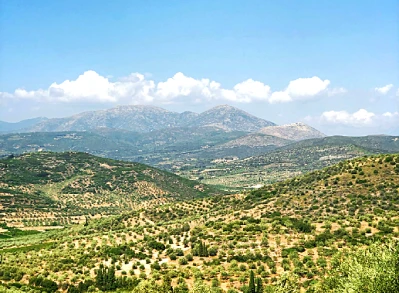
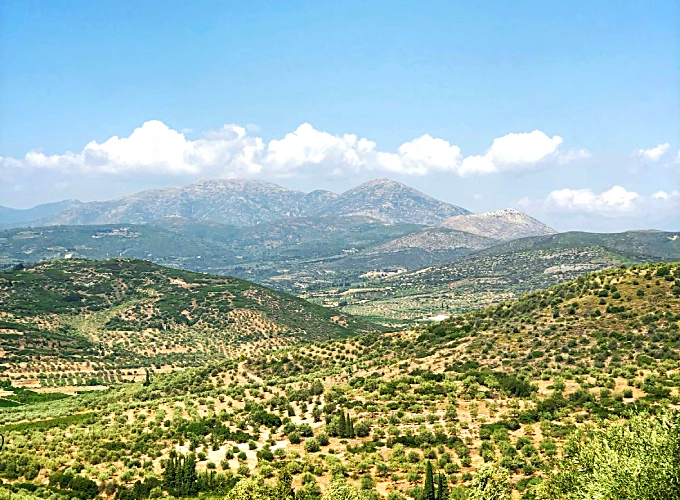
In Puglia, food is part of identity. Olive oil, thick and golden, is almost a sacred symbol. The centuries-old olive trees that cover the landscape aren’t just trees—they are witnesses to generations that have lived off this land. Pane di Altamura, with its firm crust and aroma of stone ovens, still marks the rhythm of the inland towns. Orecchiette, small pieces of pasta shaped by hand, preserve the memory of grandmothers who still prepare them on doorsteps. Eating here isn’t just about tasting; it’s about understanding. Each bite seems to tell an ancient story, a direct relationship with the land that renews itself every day.
Wine and Territory
To speak of Puglia is to speak of its vineyards. In the Valle d’Itria and Salento, the landscape turns green under a sun that matures the character of the region’s most renowned wines: Primitivo di Manduria, Negroamaro, Nero di Troia. They are full-bodied, sincere wines, with that mineral note left by the nearness of the sea. Visiting a winery in Puglia is unlike doing so elsewhere. There’s a different kind of silence, a calm that invites observation. Here, wine isn’t presented as a product but as a conversation between climate, soil, and the winemaker. In some places, the experience becomes even more intimate, such as during a wine tasting in Puglia held among the trulli of Alberobello. Tasting local wines and regional specialties in that white-stone setting feels almost ritualistic—a dialogue between tradition and pleasure that lingers long after you leave.
A Tradition to Be Shared
In Puglia, traditions aren’t preserved in museums but in daily life. Taking part in a cooking class inside a trullo or sharing a meal with a local family is a way to enter the heart of the region. You knead, you taste, you toast. There’s no performance—only simple gestures filled with meaning. It’s easy to understand why so many travelers return. More than for the landscapes or beaches, they come back for that sense of authenticity. For the way every meal becomes a shared story. For the wine that accompanies the conversation, and for the silence that follows when the sun sets behind the olive trees.
Between the New and the Eternal
Modernity has reached Puglia, yet it hasn’t erased its essence. The old masserias have been transformed into charming accommodations without losing their rural soul. Young chefs reinterpret traditional recipes without altering their spirit. In the markets, people still greet each other by name, and local festivals mark the passing of the seasons. Visitors soon realize that authenticity here isn’t a pose—it’s a way of life. Everything moves at its own pace, free from excess or pretense. It’s this natural rhythm that makes Puglia such an unforgettable place.
A Flavor That Stays
Those who have been to Puglia know—it’s impossible to truly leave. The memory isn’t in the photos but in the flavors. In the oil glistening on a slice of bread, in the wine that holds the memory of the sun, in the serene hospitality of its people.
There’s something in this region that can’t be explained, only felt. And when you leave, with your suitcase a little heavier and your palate still full of nuances, you understand that the journey isn’t over. Because Puglia, in some way, keeps you company.