
You pull a card and stare at the image. The symbols seem clear at first. Then they blur into questions. Your mind races through meanings you’ve read. Suddenly the simple act of reading feels complicated.
Card readings work best when you stop overthinking them. The cards reflect your inner state and current situation. But they only help if you approach them with clarity. How you interpret what appears matters more than which deck you own. It matters more than how many books you’ve studied.
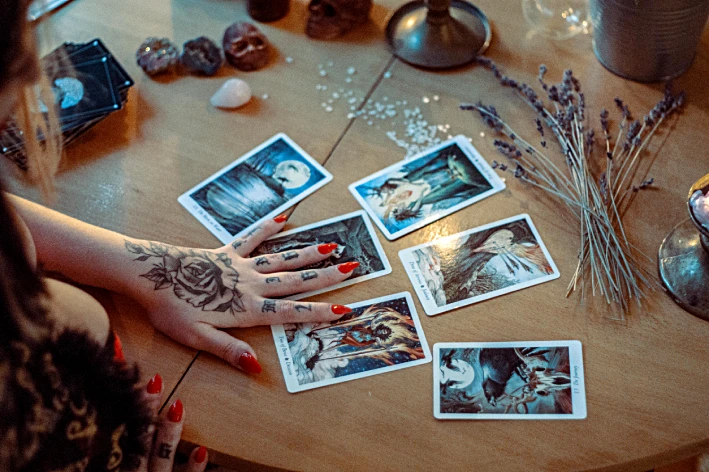
Photo by Alina Vilchenko
Trust Your First Impression
Your immediate reaction to a card holds valuable information. Notice what you feel before checking guidebooks. Notice what you feel before recalling traditional meanings. Does the image make you uncomfortable? Does a color stand out? Do certain symbols grab your attention?
This gut response happens fast. Your subconscious mind processes visual information quickly. It works faster than your analytical brain. The cards work as mirrors. Your first emotional hit often reveals what you need to see. A card that typically signals joy might trigger anxiety. This happens during stressful periods. That contradiction tells you something important.
Traditional meanings provide structure. Your personal response adds depth. Readers who ignore their instinct miss half the message. They focus too much on memorized definitions. The cards speak through both established symbolism and unique interpretation.
Consider the Question’s Context
The question you ask shapes how you read the cards. Vague questions produce vague answers. Specific inquiries yield focused guidance. A relationship question reads differently than a career question. The same card means different things.
Some questions need simple, direct approaches. You might need a clear answer to a specific situation. Methods like Yes/No tarot can cut through confusion. These streamlined readings work well for decision points. They help when you need confirmation rather than exploration. The straightforward format helps you move from uncertainty to action.
Different question types need different reading approaches:
- Simple decisions: Use single-card or yes/no methods for quick clarity
- Complex situations: Choose multi-card spreads that show relationships between factors
- Life path queries: Pick spreads that reveal past, present, and future connections
- Relationship issues: Select layouts that examine both perspectives and shared dynamics
Match your reading method to your question type. This approach gives you better results. It prevents you from overcomplicating simple questions. It stops you from oversimplifying complex ones.
Look at the Imagery and Symbols
Each card contains multiple layers of meaning. The visual elements tell different parts of the story. Colors carry emotional weight. Red suggests passion or anger. Blue indicates calm or sadness. Yellow points to intellect or anxiety.
Read the Figures and Their Positions
The figures in cards communicate through body language. Notice how they stand or sit. A person facing you suggests openness. Someone turned away indicates retreat. The figures might hold objects that add meaning. A raised sword sends a different message than a resting blade.
Count the symbols that appear. Three cups might reference celebration. They also echo themes of creativity and growth. Numbers add another interpretation layer. Background details modify a card’s core meaning too.
Pay Attention to Environmental Clues
Settings matter as much as central figures. Stormy skies warn of challenges. Calm waters suggest peace or emotional clarity. Barren landscapes point to isolation or fresh starts. Lush gardens indicate growth and abundance.
These contextual clues help you read emotional temperature. A promising card set against dark clouds carries warnings. Success might come with challenges attached. A difficult card in bright sunshine suggests temporary troubles. The storm will pass.
Track Patterns Across Multiple Readings
Cards that appear repeatedly deserve attention. The same card showing up signals emphasis. Your subconscious highlights a message you might miss. These recurring cards often point to blind spots. They reveal issues you avoid.
Notice which suits dominate your readings. This pattern reveals where your energy flows:
- Frequent cups: Your focus stays on emotions and relationships
- Multiple swords: Mental activity or conflict takes center stage
- Regular wands: Action, creativity, and passion drive your choices
- Repeated pentacles: Material concerns and practical matters dominate
Major arcana cards appearing often signal significant life themes. Minor arcana cards point to everyday concerns. Keep a simple log of your readings. Write down the date and your question. Note the cards pulled and your interpretation.
Review your notes after a month. You’ll spot themes that weren’t obvious before. This practice builds confidence over time. You see how accurate your interpretations were.
Read the Cards as a Conversation
The cards don’t dictate your future. They reflect possibilities and patterns. Think of each reading as advice from a wise friend. This perspective keeps you engaged with the guidance. It maintains your agency at the same time.
Difficult cards warn rather than doom you. The Tower doesn’t guarantee disaster. It suggests something needs to change. That change might happen whether you’re ready or not. You can use this information to prepare. You can make proactive choices instead.
Positive cards aren’t always simple good news. The Sun promises success and clarity. But it might highlight areas where you avoid hard truths. You stay comfortable instead of growing. Every card contains gifts and challenges. Skilled interpretation means seeing both sides. Research shows that maintaining this balanced perspective improves decision quality and reduces anxiety around uncertain outcomes.
Apply the Reading Without Attachment
Useful readings become worthless without action. Once you interpret the cards, identify concrete steps. The cards suggest communication issues. You might schedule a difficult conversation. They point to rest and renewal. You might block off time for self-care.
Don’t read cards multiple times on the same question. This practice undermines the process. People call it reading until you get the answer you want. Trust your first reading. Give yourself time to sit with the guidance.
Follow these steps after each reading:
- Write down your main takeaway in one sentence
- Identify one action you can take this week
- Note any feelings that came up during the reading
- Set a date to check back on the situation
Let readings inform your choices without controlling them. The cards highlight patterns and possibilities. You still make the final decisions. A reading suggesting caution doesn’t mean you must stop. It means you should proceed thoughtfully. Your free will remains intact.
Photo by cottonbro studio
Build Your Personal Reading Style
Card reading becomes more accurate over time. You develop a personal relationship with your deck. The meanings that resonate for you might differ slightly. Traditional interpretations provide the foundation. Your observations build on top.
Start with established meanings as your base. Then add what you notice. Track which cards appear during certain life phases. Pay attention to cards that surprise you. Notice cards that challenge your assumptions. These moments of discomfort contain useful guidance.
The goal isn’t perfect interpretation. The goal is honest engagement. Cards work best with curiosity rather than fear. Approach them with openness rather than rigid expectations. Each reading offers a chance to learn about yourself. The message might feel immediately clear. Or it might take days to fully understand.