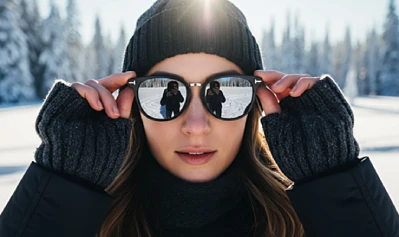
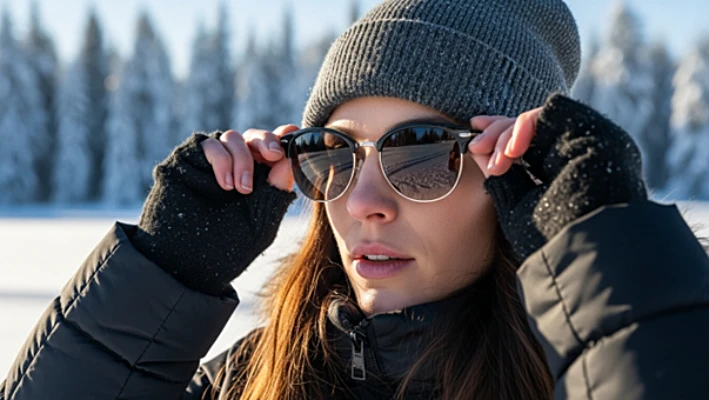
Winter doesn’t dim UV; it redirects it. Low sun angles hit snow, ice, and wet asphalt, bouncing extra brightness straight into unprotected eyes. Dry wind piles on. Ignoring that mix isn’t just uncomfortable; over time, it chips away at eye health.
The focus here is clear: what winter light does to vision and how the right lenses fight back without clashing with a coat and scarf.
In This Guide
- How winter UV and glare strain eyes (even under thick clouds)
- The science behind snow reflection and photokeratitis
- Practical specs for smarter winter sunglasses picks
- Expert-tinted advice for year-round protection that actually gets worn
If these points sound settled, they aren’t; weather, altitude, and time of day keep changing the rules.
Comparison Table: Winter vs. Summer Sunglasses Needs
It’s tempting to think one pair covers all scenarios. Then snow appears, the sun hangs low, and drivers start squinting at 3 p.m. The table below contrasts common needs by season, though any given day can break the pattern, stormy weeks and altitude shifts love to mess with averages.
| Feature | Winter Sunglasses Needs | Summer Sunglasses Needs |
| UV Protection | High priority (snow can reflect up to 80% UV) | High priority (direct sun exposure) |
| Glare Reduction | Major factor (snow, ice, wet roads) | Key factor (water, sand, pavement) |
| Wind/Debris Shielding | High (cold wind, dry air, road grit) | Moderate (dust, pollen) |
| Photokeratitis Risk | Elevated (snow blindness risk) | Moderate (beach, water sports) |
| Driving Safety | High (low sun, icy glare) | High (bright sun, long days) |
| Style/Fashion | Works with winter layers and textures | Works with light, warm-weather looks |
| Prescription Options | Helpful for winter sports and driving | Helpful for outdoor activities |
| Skin Protection | Helps prevent crow’s-feet and sunburn around the eyes | Helps prevent crow’s-feet and sunburn around the eyes |
Neat rows can’t capture every quirk. A cloudy day at altitude may outshine a sunny beach at sea level, odd, but that’s how reflection and thinner atmosphere play together.
Why Sunglasses Are Essential in Winter
Skeptics write off winter shades as a fashion habit. Then the first blinding morning after snowfall proves otherwise. UV reflection, low-angle glare, and biting wind combine into a feedback loop that eyes remember.
-
UV Exposure Doesn’t Disappear in Winter
Clouds scatter light, not UV. Snow and ice can reflect a significant share of that energy back toward the face, reports citing reflection rates of up to 80% in bright conditions. That double-hit matters for long-term health, with cataracts and macular changes tied to cumulative exposure.
Higher altitudes thin the atmosphere, which only adds to the load. Dermatology and ocular groups keep repeating the same warning, because winter keeps repeating the same trick.
-
Snow Reflection and Glare: The Hidden Dangers
Snow glare isn’t just bright; it’s flat-out blinding at the wrong angle. Drivers, skiers, and even dog-walkers see depth cues vanish when the sun hits hard. Polarized lenses filter the horizontal glare so details return, lane paint, ice patches, and ruts.
Oversized aviator sunglasses can add coverage without feeling fussy, which is why large shield styles stay popular when roads are wet. Oddly, the harshest glare can arrive on a cold, blue-sky day after a storm, right when many assume shade time is over.
-
Preventing Snow Blindness (Photokeratitis)
Photokeratitis is a sunburn of the cornea, painful, temporary, and preventable. The usual suspects: high-altitude snow days, long sessions on reflective surfaces, and bare eyes in peak light. UV-blocking lenses take the punch out before it reaches the surface, while side coverage keeps stray light at bay. Those who’ve had a bout rarely forget how fast it hits.
-
Wind, Debris, and Dryness: More Than Just Sun
Cold wind dehydrates the eye’s surface. Add road salt and debris, and irritation climbs. Sunglasses create a windbreak, cutting evaporation and blocking grit; wraparound frames do this best. Contact lens wearers feel the difference quickly; less airflow equals calmer, clearer eyes. Dry winter air is relentless; a simple barrier pays rent every day.
-
Eye Health and Long-Term Protection
Exposure adds up, quietly. UV400 labeling blocks 99–100% of UVA/UVB, supporting long-range protection efforts against cataracts and age-related macular changes. Pediatric eye specialists flag an extra wrinkle: younger eyes let in more UV, so the earlier the habit, the better the odds later. It’s not glamorous, but neither is squinting through spring.
-
What to Do if Snow Blindness Is Suspected
Typical signs include gritty sensation, tearing, redness, and light sensitivity after winter sun. The recommended playbook: move into darkness, use cool compresses, and avoid rubbing. Professional care becomes the next step if symptoms don’t ease or vision changes raise concern; waiting rarely improves the outcome.
Sunglasses and Outdoor Winter Activities
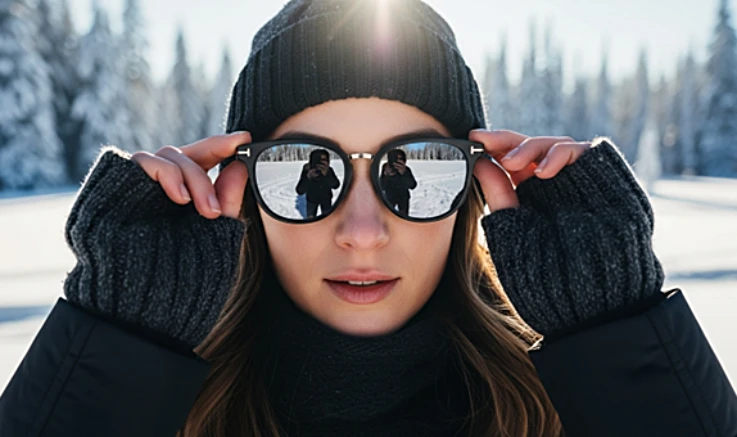
Skiing, snowboarding, and ice skating each stack glare, wind, and flying ice chips in a different order. Impact-resistant materials help when conditions turn rough, while anti-fog coatings keep vision intact on cold climbs and warm lodge breaks. Style isn’t sidelined here; trending sunglasses for women and men can coexist with performance specs, which keep frames on faces instead of in pockets. Trends are fun, vision is mandatory.
Choosing the Right Sunglasses for Winter
Specs matter, but so does coverage. Labels that read “UV400” or “100% UVA/UVB” remove guesswork. Polarized lenses handle glare; photochromic lenses adapt to light shifts; prescription options keep clarity honest.
Fit can’t be an afterthought: snug at the nose, good temple grip, and lenses wide enough to shield the periphery. A winter hat and scarf combo can change how frames sit, worth testing in the gear that’s worn most.
Common Mistakes and Myths About Winter Sunglasses
Two misses show up again and again. First, skipping shades on cloudy days, UV still gets through, and snow glare doesn’t clock out. Second, grabbing dark lenses without UV protection, the tint dilates pupils, which can invite more harm.
Another quiet oversight: kids without sunglasses. Their eyes are more susceptible, and habits start wherever adults set the tone. Strange that a tiny label can matter more than the color of the lens, but it does.
Key Takeaways for Safer, Healthier Eyes This Winter
The cold season raises different risks, not fewer. UV sticks around, glare spikes, and dry wind doesn’t blink. The short list below catches the moves that pay off most, simple, repeatable, and friendly to real life.
- Wear sunglasses outdoors in winter, cloudy or clear (reflection doesn’t care about forecasts).
- Pick UV400 labeling and consider polarization to tame snow and ice glare.
- Match coverage to the agenda, wraparound for wind, larger lenses for side light.
- Let style help, not hinder; frames that fit the routine actually get used.
According to the American Academy of Ophthalmology, “Protecting your eyes in winter is just as important as protecting them in summer. Snow and ice reflect the sun’s harmful UV rays, increasing exposure and the risk of cataracts and other eye conditions over time.” This reminder underscores why consistent winter eyewear habits matter as much as summer ones.
Supposedly, that’s all anyone needs, yet every winter throws in a curveball. Better to be ready than dazzled at the first bright morning after snow.
People Also Ask
Why are sunglasses important in winter?
Because winter light changes direction and intensity in ways that strain eyes, snow can reflect a large share of UV toward the face, glare spikes after storms, and wind boosts dryness. Sunglasses cut that mix down to size, which is why eye-care groups keep repeating the same winter reminder, even when the temperature argues otherwise.
Can eyes get sunburned from snow?
Yes. Photokeratitis, snow blindness, shows up when UV reflects off snow and overwhelms the cornea. Symptoms can include pain, tearing, and light sensitivity. UV400 lenses and better coverage reduce the odds, although altitude, time on snow, and weather can nudge risk up or down on any given day.
What type of sunglasses work best for winter sports?
Polarized, impact-resistant lenses with wraparound coverage tend to perform well on snow. Anti-fog features help during temperature swings, and prescription or insert options keep details sharp.
Do sunglasses help with dry eyes in winter?
They do. By blocking wind and reducing airflow, frames help retain moisture across the eye’s surface. Contact lens wearers notice the benefit quickly. Humidity levels, wind speed, and fit all influence results, so a wrap that sits close without pinching usually wins.