More than four decades after her death, Ana Mendieta’s work still feels uncannily current. Fire burns through it. Flowers wilt into the earth. Bodies appear, then vanish.
In a cultural moment preoccupied with migration, identity and belonging, the Cuban-born American artist’s questions haven’t aged—they’ve become more urgent.
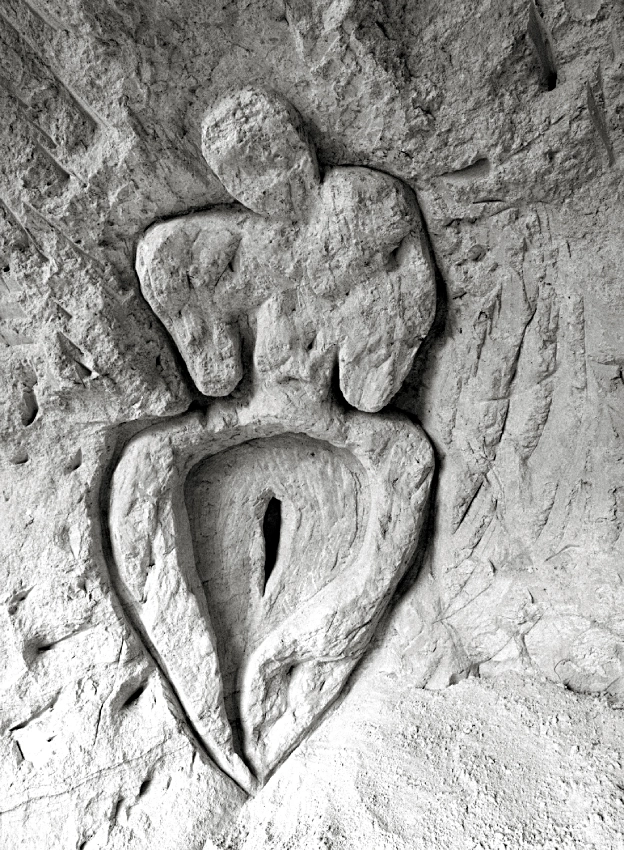
Opening at Tate Modern from 15 July 2026 to 17 January 2027, this major exhibition—the first substantial U.K. survey of Mendieta’s work in over a decade—brings together many of her most iconic pieces alongside newly remastered films, early paintings and late sculptural works, several never before shown in Britain. Organised with the Estate of Ana Mendieta, the exhibition also spills beyond the gallery walls, reflecting the artist’s profound relationship with the natural world.
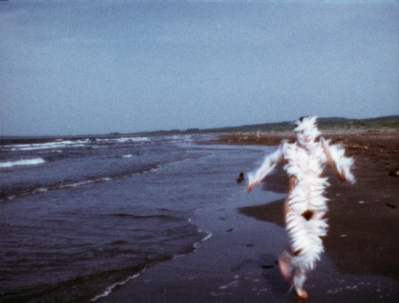
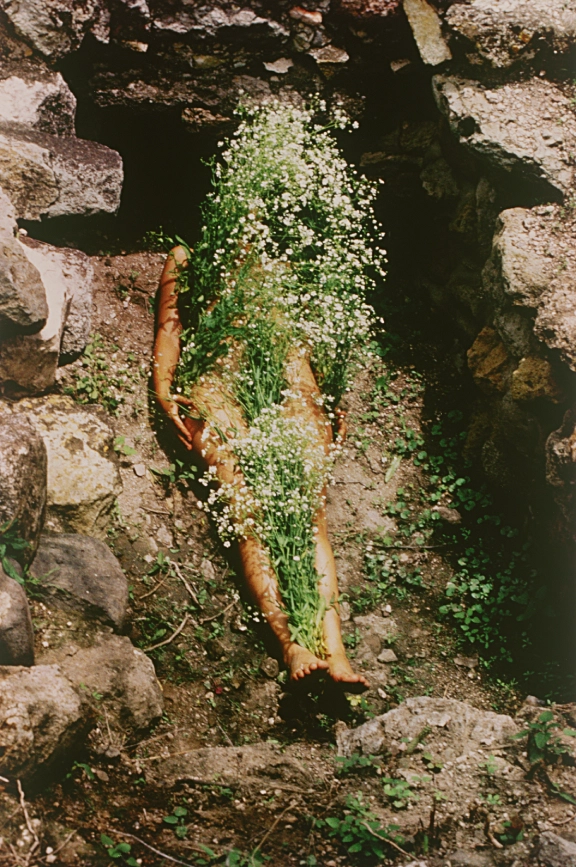
Mendieta is best known for the Silueta Series, the radical body of work she developed throughout the 1970s in which the human form is pressed into, traced onto, or disappears into the landscape. Working with materials including fire, water, earth and flowers, she staged temporary interventions that existed only briefly before being reclaimed by nature. Photography and film became both documentation and artwork, preserving these acts of transformation.
Born in Havana in 1948, Mendieta was exiled to Iowa at the age of twelve. The experience of rupture would shape a practice that moved across sculpture, drawing, photography and film, returning again and again to displacement, ritual, violence and the body as a site of memory. Nature, for Mendieta, wasn’t an escape from politics. It was where politics lived.
“‘For the images to have magic qualities,'” she once said, “‘I had to go to the source of life, to mother nature.'”
Over a fiercely productive fifteen-year career, Mendieta created groundbreaking, site-specific works using elemental materials—earth, blood, water, fire—to explore what it means to inhabit a body, a landscape and an identity marked by loss and reinvention. The concerns running through her practice—land, exile, gender and belonging—remain deeply resonant today.
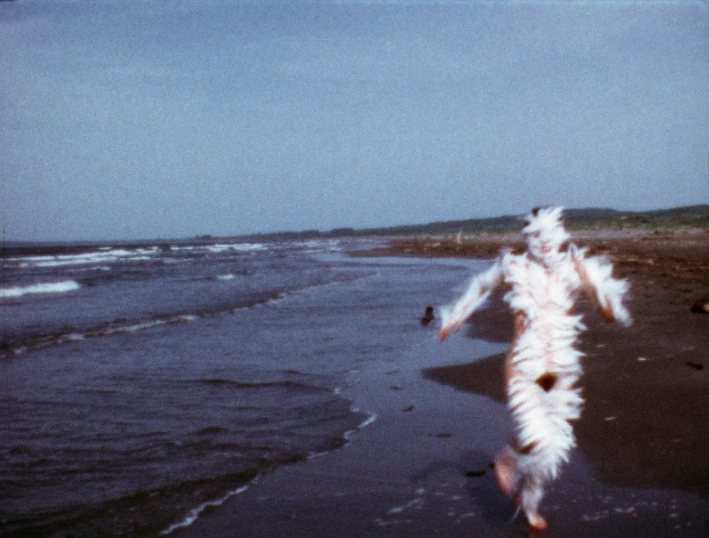
The Tate exhibition reveals the full scope of her vision: early paintings that test the limits of representation, newly restored films that return movement and atmosphere to ephemeral performances, and later sculptural works that distil her thinking into potent forms. Together, they reaffirm Mendieta’s status as one of the most influential artists of the twentieth century.
Mendieta died in New York in 1985, aged thirty-six, but her work refuses to settle into history. Instead, it continues to ask difficult questions: How do we find our place in the world? What traces do we leave behind? And what happens when the body itself becomes both evidence and earth?
Ana Mendieta is at Tate Modern from 15 July 2026 until 17 January 2027
words Alexa Wang