Luxury travel is changing. The most meaningful high-end experiences increasingly prioritize time, privacy, craftsmanship, cultural immersion, and personal connection rather than simply adding more amenities to an itinerary.
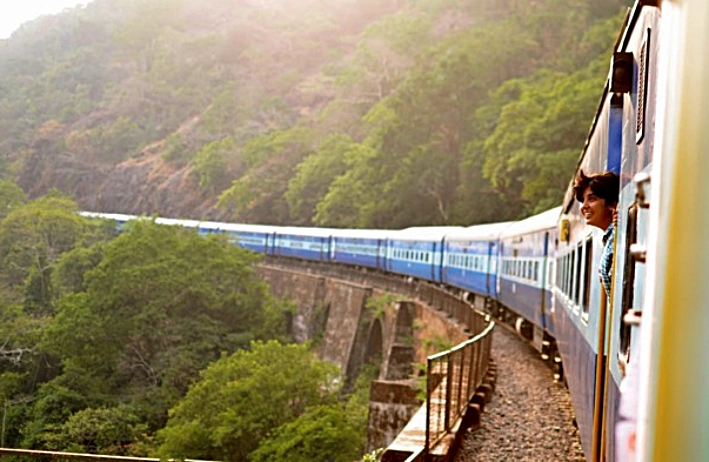
For years, luxury was closely associated with visible abundance: five-star hotels, private transfers, expansive suites, first-class cabins, and tightly scheduled itineraries. Those things still have their place, but a different definition of luxury has gained ground. More is no longer the only measure of a better trip. For many travelers, having the time and space to actually experience a destination has become the greater luxury.
Slow luxury responds to that shift by emphasizing quality over quantity. It cares less about how many attractions fit into a week and more about whether the journey itself feels distinctive.
What Slow Luxury Actually Means
Slow luxury is built around depth rather than volume. A luxury experience can involve exceptional accommodation and service, but its value also comes from privacy, thoughtful design, local character, and enough time to appreciate the setting.
This approach changes the way travelers think about an itinerary. Instead of moving between several cities in quick succession, a traveler may spend several days exploring one region, eating locally, meeting craftspeople, or simply observing the landscape without rushing to the next scheduled activity.
The concept also reflects a broader appreciation for craftsmanship. A hand-finished interior, a locally prepared meal, a historic property, or a carefully designed private excursion can create a stronger impression than another generic luxury amenity. The experience feels connected to its location rather than interchangeable with one in another country.
Cultural Immersion Is Replacing Checklist Tourism
Luxury travelers increasingly want access and context rather than simply collecting famous landmarks. Seeing an important monument matters, but understanding its history, surrounding community, architecture, food, and traditions creates a much richer experience.
This is where smaller-scale travel has a distinct advantage. A private guide, locally owned restaurant, neighborhood walking tour, or intimate river journey can provide context that a standardized excursion does not. The goal is not to avoid major attractions, but to experience them as part of a larger cultural story.
Egypt offers a strong example of this approach. Travelers can move beyond a checklist of pyramids and museums by spending time along the Nile, visiting ancient temples, experiencing regional cuisine, and observing landscapes that have shaped Egyptian life for thousands of years. Planning these experiences can also involve researching guided itineraries at https://www.inside-egypt.com/ to find ways of exploring Egypt with greater historical and cultural context. A luxury Dahabiya cruise, for example, fits naturally into this form of travel because the vessel itself becomes part of the experience, allowing travelers to move through the landscape at a slower pace while maintaining privacy and comfort.
Privacy Has Become More Valuable Than Spectacle
Privacy is another defining feature of contemporary luxury travel. Travelers who have spent much of their professional lives surrounded by notifications, meetings, crowded airports, and constant digital communication often value environments that allow them to disconnect.
That does not necessarily mean isolation. It means controlling the pace and structure of the experience. A private villa in the Cyclades, a remote safari camp in Kenya, or a small yacht exploring the Croatian coast can provide that control without sacrificing comfort or personalized service.
The distinction matters because luxury is ultimately about the quality of the experience, not the number of facilities available. A large resort may offer hundreds of amenities, while a smaller property may provide fewer choices but a stronger sense of privacy, place, and personal attention.
Design and Craftsmanship Matter More Than Brand Recognition
The return of slow luxury also places greater emphasis on design and craftsmanship. Travelers are paying attention to materials, architecture, interiors, food presentation, local artisanship, and the relationship between a property and its surroundings.
This creates an important distinction between luxury that is merely expensive and luxury that is thoughtfully designed. A room does not become memorable simply because it contains expensive furniture. Its architecture, proportions, materials, views, lighting, and connection to the destination all contribute to the experience.
The same principle appears in destinations around the world. A restored palazzo in Venice, a traditional machiya in Kyoto, or a historic hacienda in Mexico can offer a sense of luxury because the property tells part of the destination’s story. The setting becomes an integral part of the experience rather than a backdrop.
The New Luxury Is About What You Remember
The strongest argument for slow luxury is simple: travelers remember experiences, not specifications. They remember the conversation with a local guide, the meal overlooking a historic landscape, the quiet morning on the water, or the feeling of having enough time to explore without watching the clock.
That could mean watching the sun rise over the Sahara, taking a long lunch in the Italian countryside, sailing between small Greek islands, or spending an evening in a traditional Japanese neighborhood. The details vary, but the underlying appeal remains the same: the experience feels personal and difficult to reproduce elsewhere.
This also explains why authentic local experiences have become increasingly important within luxury travel. Travelers can find expensive hotels in almost every major destination. They cannot duplicate a particular landscape, cultural encounter, historic property, or meal prepared with ingredients from the surrounding region.
Choosing Experiences Over Excess
Travelers who embrace slow luxury can plan around a few straightforward principles: spend more time in fewer places, prioritize meaningful experiences, choose properties with a strong sense of place, and leave enough space in the itinerary for the destination to reveal itself.
The result is not necessarily a simpler trip. It is a more deliberate one. A week spent exploring one region in depth can create more lasting memories than an itinerary that covers five cities but leaves little time to understand any of them.
That is ultimately what makes slow luxury compelling. It replaces the pursuit of more with the pursuit of better, giving travelers the freedom to pay attention to where they are rather than constantly thinking about where they need to go next.
written by Alexa Wang