
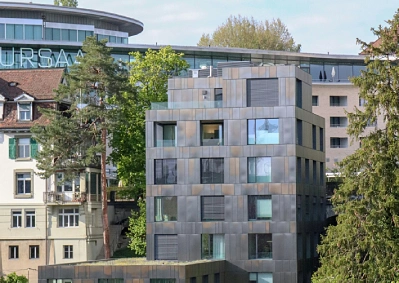
Homeowners and architects are embracing engineered building envelopes that withstand severe seasonal moisture while elevating long-term property aesthetics.
Your suburban home represents your personal sanctuary and your largest financial asset. When severe hail, wind shear, and heavy precipitation strike your neighborhood, standard siding and traditional shingles quickly reveal their structural limits.
Discerning homeowners look beyond cosmetic fixes by pairing exterior charm with advanced, weather-resistant building materials. Investing in an engineered exterior protects your property against extreme weather while keeping your neighborhood aesthetic refined.
Why Do Severe Seasonal Storms Demand Stronger Building Envelopes?
Suburban neighborhoods face volatile weather cycles that test residential construction. High winds rip through tree-lined streets, driving rain beneath basic asphalt tabs and compromising roof decks. Hail strikes leave micro-fractures across exposed surfaces, allowing water to spread behind siding.
Modern building envelopes solve this vulnerability by treating your roof, siding, and flashings as an interconnected shield. Reporting from Building Design+Construction highlights that roughly 70,000 properties across 31 states have adopted FORTIFIED building standards to survive intense storm cycles. These durable benchmarks give your household dependable protection when sudden squalls sweep through your neighborhood.
Should You Choose Targeted Repairs or a Complete Restoration?
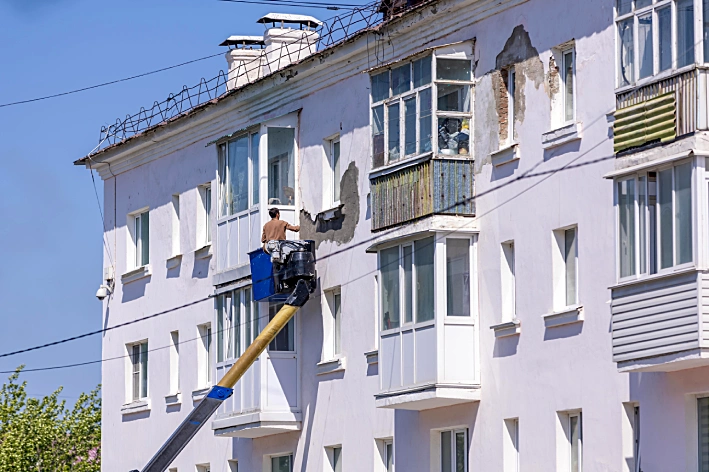
Assessing severe storm impact requires a clear distinction between isolated component failure and widespread structural fatigue. When you schedule thorough evaluations for roof repairs in Mason after a seasonal squall, professional technicians can identify whether water has breached perimeter flashings. Spotting these subtle vulnerabilities early prevents hidden leaks from rotting structural rafters beneath your shingles. Taking action right away keeps small perimeter flaws from escalating into costly framing damage across your attic space.
A full exterior overhaul becomes the smarter financial path when your roof passes the 15-year mark or shows widespread granule loss. Patching dozens of separate sections creates an uneven exterior that hurts curb appeal. Replacing the entire envelope lets you install continuous underlayments, ice barriers, and unified flashings that protect your home for decades.
How Do You Match Architectural Profiles With Modern Composite Materials?
Upgrading your home for severe weather never requires you to sacrifice classic neighborhood charm. Modern engineering allows you to replicate traditional roof lines while gaining superior impact resistance. Selecting the right profile guarantees that your exterior complements surrounding architectural styles while deflecting punishing winds.
Gable roofs shed precipitation rapidly, but vertical faces catch sideways gusts. Pairing a steep gable with standing-seam metal panels or interlocking synthetic slate prevents wind uplift along rake edges. Hip roofs resist wind shear because four sloping sides deflect air upward and over the structure. Here are high-performance materials that endure severe climates:
- Class 4 composite shingles: Engineered polymer shingles emulate traditional asphalt while deflecting large hailstones without surface cracking.
- Standing-seam metal panels: Interlocking concealed-fastener metal systems withstand violent wind shear and shed heavy snow effortlessly.
- Synthetic composite slate: Molded resin tiles replicate quarried stone at a fraction of the structural weight.
What Creates a Balanced Attic Ventilation System?
Your roof envelope functions as a thermal barrier that regulates heat and humidity between your living space and the outdoors. Unventilated attic spaces in summer trap heat that bakes shingles from below and drives up cooling costs. Trapped warm air in winter melts roof snow, creating ice dams along eaves that force water back under perimeter shingles.
Achieving balanced airflow requires pairing soffit intake vents along lower eaves with continuous ridge exhaust vents along roof peaks. Cool air enters through soffits, travels along roof decking, and sweeps out heat through the ridge. This steady thermal exchange stabilizes deck temperatures, lowers power bills, and prevents attic condensation from decaying structural rafters.
How Does Resilient Building Envelope Engineering Protect Property Value?
Protecting your exterior structure from water intrusion pays substantial dividends in property appraisal and curb appeal. Moisture intrusion remains the primary culprit behind decayed wall sheathing, mold growth, and weakened framing. Selecting high-performance exterior components eliminates the stress of emergency repairs following severe forecasts.
Guidelines published by the American Institute of Architects stress that resilient structures must withstand fire, water, wind, and impact through noncombustible, durable materials that maintain structural integrity under stress. Choosing materials that meet these standards demonstrates disciplined home stewardship to prospective buyers.
Why Is Exterior Restoration a Wise Long-Term Financial Choice?
Investing in a complete exterior overhaul delivers direct financial savings beyond simple peace of mind. High-efficiency underlayments and reflective shingle granules reduce monthly utility expenses by keeping radiant solar heat out of your attic. Regional insurance providers offer policy discounts to homeowners who install impact-resistant Class 4 roofing and reinforced siding.
Replacing worn components with weather-resistant materials protects your equity and prevents costly repairs. You preserve architectural beauty while building an impenetrable perimeter that serves your family across every season.
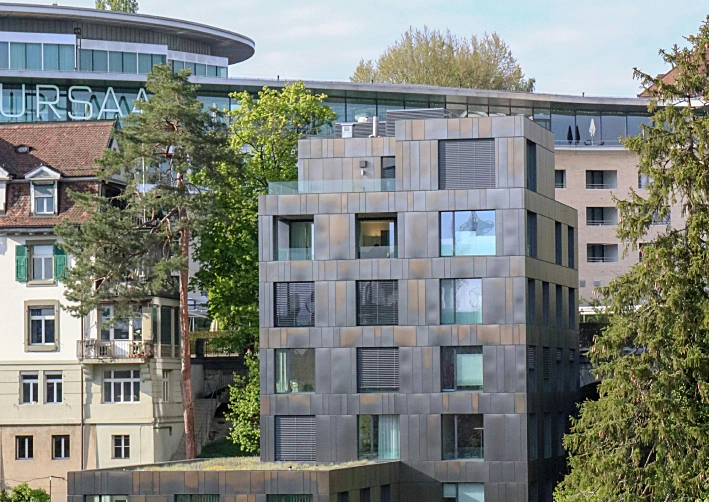
Framing your exterior restoration as an investment in structural permanence gives your home enduring security and undeniable curb appeal. Selecting rugged, weather-resistant materials shields your living space against violent hail, driving rain, and punishing wind shear. When you make thoughtful material choices today, you protect your family, preserve your equity, and create a residence that stands strong against the elements.
written by Alexa Wang