
Europe is one of the most diverse and fascinating continents to explore, offering travelers the chance to experience an incredible mix of cultures, traditions, languages, and landscapes within relatively short distances.
A train ride or short flight can take you from a bustling metropolis to a quiet medieval village or from sunny Mediterranean coasts to snowy alpine peaks. With this variety comes the challenge of adapting to different customs, transportation systems, and cultural expectations. Understanding what to expect when traveling through different European countries can enhance your journey, help you avoid surprises, and allow you to fully embrace the richness of your trip.
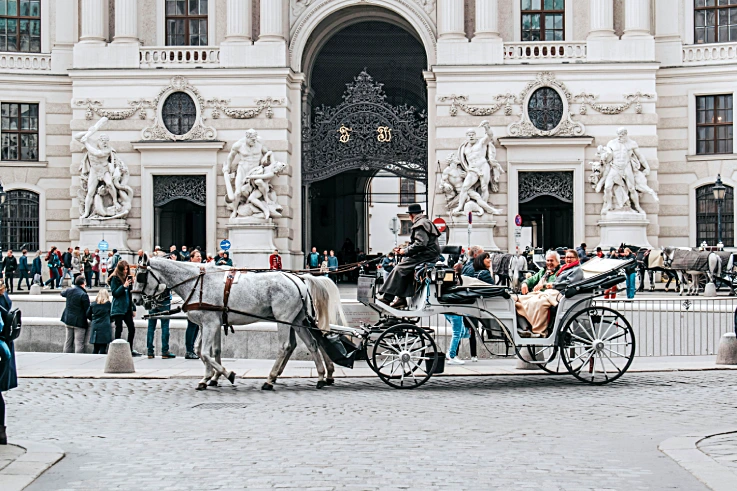
Language Barriers and Communication
One of the most noticeable differences across European countries is language. While English is widely spoken in tourist-heavy areas such as Amsterdam, Berlin, or Stockholm, you may find it less common in rural regions of France, Spain, or Eastern Europe. Learning a few basic phrases in the local language can go a long way in showing respect and easing communication. Many European countries are proud of their linguistic heritage, and even a simple “hello,” “please,” or “thank you” in the native tongue often earns a smile. Smartphone translation apps can be invaluable, but travelers should expect occasional misunderstandings and approach these moments with patience and humor.
Food and Dining Experiences
Europe offers an incredible variety of culinary delights, reflecting the continent’s diverse cultures and traditions. From Italy’s fresh pasta and pizza to France’s delicate pastries and rich cheeses, each country provides a unique gastronomic experience. Travelers should explore local specialties, such as Spanish tapas, German sausages, or Scandinavian seafood dishes, which offer authentic insights into regional life. When enjoying meals, understanding tipping practices is important, and resources like tipping culture in Europe explained can clarify expectations, since customs vary widely between countries. Dining in Europe is a cultural experience that combines flavors, traditions, and social interaction in memorable ways.
Cultural Etiquette and Social Norms
Every European country has its own set of cultural norms, and being aware of these can greatly improve your interactions. In countries like Italy and Spain, conversations tend to be expressive and social gatherings are lively, while in Scandinavia or Germany, people may value personal space and quieter interactions. Dining etiquette varies. Tipping may be expected in some places but considered unnecessary in others. In France, a firm handshake is standard, while in southern countries like Greece or Portugal, greetings might include a kiss on the cheek. Respecting these customs prevents awkward situations and deepens your understanding of local traditions.
Transportation Differences
Transportation in Europe is a highlight and a challenge. The continent is known for its efficient rail networks, such as Germany’s Deutsche Bahn and France’s TGV, which make traveling between cities convenient and fast. Countries in Eastern Europe may have slower trains but offer more affordable fares. Public transport systems differ greatly: London’s Underground is iconic and extensive, while cities like Budapest or Prague rely heavily on trams and buses. Renting a car can be ideal for exploring rural areas like the Scottish Highlands or the Italian countryside, but driving in crowded cities can be stressful due to strict parking regulations and narrow roads.
Historical Landmarks and Architecture
One of Europe’s greatest attractions is its historical depth, reflected in architecture and landmarks across countries. In Italy, you’ll find Roman ruins, Renaissance art, and medieval towns, while France offers Gothic cathedrals, palaces, and museums filled with world-famous works. Central and Eastern Europe boast stunning castles, cobblestone streets, and reminders of past empires. In Scandinavia, architecture blends tradition with modern minimalism, creating a different but equally compelling aesthetic. Expect to encounter layers of history everywhere you go, with each country proudly preserving its own story through monuments, buildings, and museums that can make every stroll feel like stepping back in time.
Currency and Payment Systems
While much of Europe uses the euro, not every country is part of the eurozone. Nations like Switzerland, Norway, Hungary, and the United Kingdom retain their currencies, which can create confusion for travelers crossing multiple borders. Credit and debit cards are widely accepted in most urban areas, but in rural villages or local markets, cash is often preferred. Contactless payments and mobile apps are increasingly popular in Nordic countries. Being aware of these differences helps avoid payment mishaps, and carrying a small amount of local currency can save you from awkward situations where cards are not accepted.
Climate and Seasonal Expectations
The weather in Europe varies dramatically depending on the region and season. Northern countries such as Norway, Sweden, and Finland experience long, cold winters with limited daylight, while southern destinations like Greece or Portugal enjoy warm Mediterranean climates. Central Europe, including Germany and Poland, has four distinct seasons with chilly winters and mild summers. Travelers should plan their wardrobes accordingly and remember that what is comfortable in Barcelona in July may be stifling compared to a breezy summer day in Dublin. Seasonal festivals and events shape the travel experience, such as Christmas markets in Germany or summer music festivals in the UK.
Security and Travel Safety
Europe is generally a safe continent for travelers, but each country has its own considerations. Big cities like Paris, Rome, and Barcelona may experience higher rates of petty theft in tourist-heavy areas, while smaller towns are usually much safer. Public transport is reliable, but it can be a place where pickpockets operate. Political demonstrations may occasionally disrupt travel in some regions, and local rules, such as ID requirements or restrictions on alcohol consumption, vary. Staying alert, respecting local regulations, and keeping belongings secure ensures that safety concerns do not overshadow the joy of exploring Europe’s many wonders.
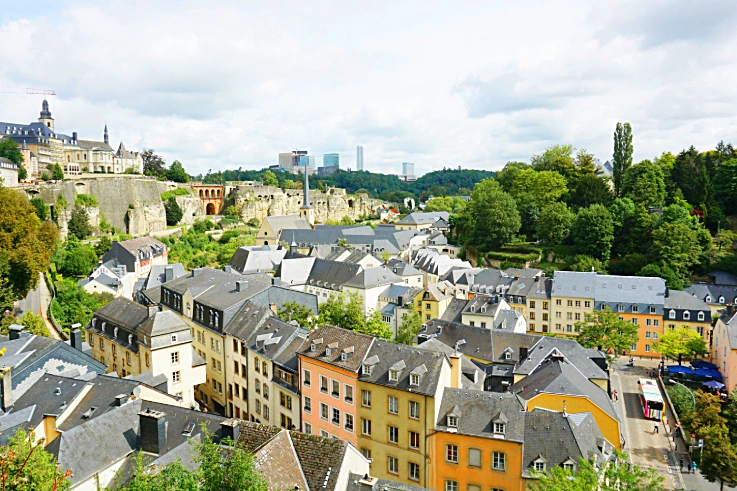
Traveling through different European countries is a rewarding adventure filled with cultural discovery, stunning landscapes, and unforgettable experiences. While the differences in language, customs, transport, and even climate can pose challenges, they enrich the journey by offering unique insights into each nation’s identity. Being flexible, respectful, and curious helps travelers navigate these contrasts while appreciating the continent’s diversity. Europe is a collection of countries and a mosaic of histories and traditions, and knowing what to expect allows you to embrace the richness of the continent fully. Whether it’s savoring local cuisine, marveling at ancient landmarks, or learning a new phrase, every step across Europe brings something new to cherish.