

Air travel is shifting from paper trails to phone-first tools. Mobile passes update in real time, eSIMs keep you online the moment you land, and AI chat moves rebooking out of the queue. The last step is financial recovery that is just as clear. TravelCare, available via Travelwithcare.io, is a useful real-world example of pre-flight travel protection that works with air passenger rights and supports commission-free claims, so more of any eligible reimbursement reaches you.
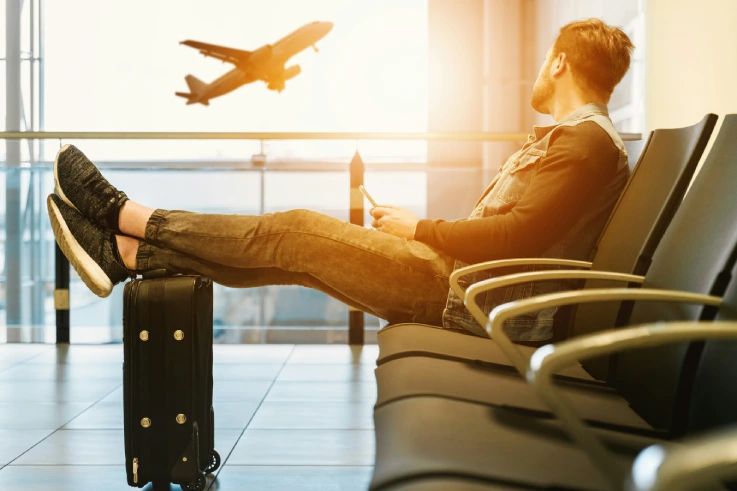
Mobile boarding passes and smoother airports
Dynamic mobile passes bundle seat maps, live gate changes, and bag status in one place. Some airports add biometrics to speed identity checks, which matters when a tight connection gets tighter.
Scenario: Your inbound is late into Munich. The airline app pushes a new gate and boarding time. You head straight there and make the connection you might have missed with static paperwork.
eSIMs and always-on itineraries
With an eSIM installed before departure, you authenticate airline and rail apps, message hotels, and upload receipts without hunting for Wi-Fi. That connectivity also speeds claims: photos of receipts, delay screenshots, and timestamps are captured at the moment a threshold is met. For baggage issues, you can file a Property Irregularity Report on arrival and keep proof ready for lost luggage compensation under Montreal rules.
AI chatbots and faster rebooking
Airline chat has become the quickest front door for many changes. Chatbots surface same-day alternatives, reissue boarding passes, and point you to the right section of air passenger rights.
Scenario: Weather cancels an evening flight from Lisbon. Chat offers a morning departure via Porto and issues the pass while you walk toward customer service. You secure a hotel and meal, keeping receipts for later reimbursement.
Smart travel protection that turns chaos into a plan
Technology helps only if your costs come back quickly. Modern protection defines what to document and which channel to use.
- Screenshot status changes with timestamps and record the airline-stated cause.
- Keep boarding passes, e-tickets, and rebooking confirmations on one record locator.
- Photograph bag tags and the arrivals board that shows final delay time.
- After arrival, file flight delay compensation EU directly with the airline for airline-controlled causes. If refused, escalate to the National Enforcement Body or ADR.
EU specifics: Under EU Regulation 261/2004 (EC261), travelers on EU, EEA, and Switzerland departures on any airline, and arrivals into the region operated by an EU, EEA, or Swiss carrier, may receive care and, when the cause is within airline control, compensation of €250, €400, or €600 for arrivals 3 hours or more late or for late-notice cancellations. Missed-connection protection generally requires a single ticket to the final destination. For baggage, file a PIR at arrivals and follow Montreal timelines of 7 days for damage, 21 days for delay, and up to 2 years for loss. The UK applies similar rules under UK261.
Where TravelCare fits
Digital tools work best when set up before departure. TravelCare focuses on preparation, spelling out proofs to collect, deadlines to meet, and the correct route for each request, airline versus policy. It supports commission-free claims for regulated compensation and provides structure for routine costs during qualifying delays, cancellations, and baggage problems. The aim is simple: fewer arguments, faster payouts, and clearer math.
Takeaway
The best travel tech blends speed with recovery. Mobile passes and eSIMs keep you moving, AI accelerates rebooking, and smart travel protection converts disruption into a checklist that preserves time and money. For trips that touch Europe, pair these tools with clear guidance on flight delay compensation EU and lost luggage compensation. Used together, digital tools and a commission-free model like TravelCare reduce stress, limit avoidable costs, and give you more control over your journey.