Travelers often return from a trip to Scotland with a tin of shortbread, a tartan scarf and the gift of the gab in the form of a wee dram. Nice souvenirs for sure, but the tin goes in the cupboard and the scotch dissipates and then the connection to the misty mountains and old landscapes fades year after year.
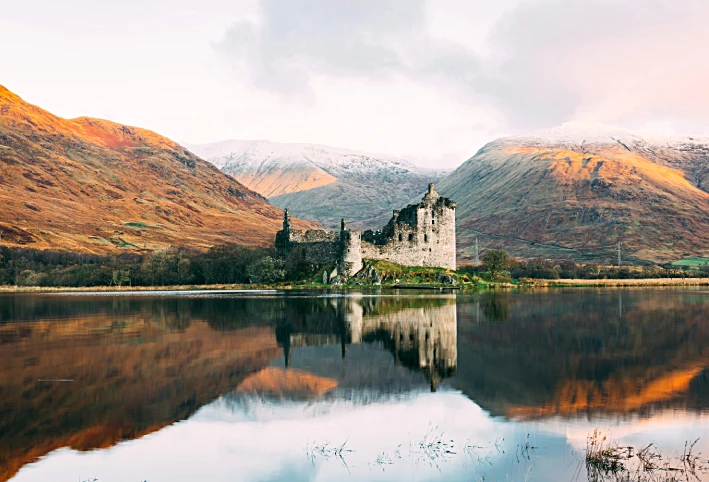
There’s something about being in the Scottish Highlands that gets under your skin, your heart, even, but it’s hard to tell what it is. It’s just a feeling. It could be the remoteness of the glens, the way the sun hits the lochs right at dusk, or even the timelessness of everything. Regardless, for some travelers, those traditional souvenirs do not express what they felt during their time there.
Why Regular Souvenirs Seem Lame
The thing about most travel keepsakes is that they’re passive. A magnet is just a reminder that you stood somewhere at one point in your life. Pictures are great but frozen in time and eventually can feel very distant. Even that Harris Tweed coat you bought as an investment momentarily falls out of fashion and into the back of the closet. None of these items give you a continued connection to the place in which you experienced them.
Thus, the Highlands has become a place to which people feel more connected than tourist attractions. It’s more than pretty pictures. People connect with the land, millennia worth of history, something that’s always existed. What’s fascinating is that when one stands in a high place looking out over one thousand miles of untouched land, they’re seeing an essentially unchanged view from generations ago. That’s continuity not often found in the modern world.
What It Means to Name Highland Land
This is where it becomes more interesting. Certain travel services now allow people to connect to Highland land named. Thus, through NamedEstates.com, one can name a plot of Highland property and forever be connected to that part of Scotland. It’s not creating land ownership like one purchases a house or an apartment with property rights, it creates a name designation for a certain plot.
The appeal is easy enough to understand. You get to name something (your name or relative’s name or something significant) and have it associated with an actual geography location somewhere in the Highlands of Scotland. With this comes documentation, and again, it is forever recognized as part of established and protected nature over millennia, and psychologically ties you to that plot. You’re no longer just someone who visited; you’re someone who has named a specific location in Scotland.
The Emotional Weight of Place Names
Names have meaning on levels objects cannot replicate. When someone names their child (or even pet), they create an identity, an anchor point, forever. Towns, mountains and valleys named also have purpose; they’ve been named after people or events for centuries. Because they have acquired such meaning, having one’s name linked to Highland land traverses that same sentimentality and human desire to note their presence and say “I was here, and this meant something to me.”
For those who have lost loved ones, this takes on even more meaning. Scotland might have been some grandmother or grandfather’s favorite destination, someone who passed, but something they always raved about, or perhaps it’s where a couple went on their honeymoon before divorce or death naming Highland land becomes its own memorialize, a place forever part of the landscape that’s existed for millennia upon millennia regardless if humans lived there or not, and will outlive us all. That’s something other than photo memorabilia.
What You Actually Get
On top of this appeal sits reality. Naming Highland land typically means getting recognized by having documentation – not legal deed of property necessarily but deed all the same, showing one’s name and location of aforementioned Highland land. Some services will give coordinates (with protective assurances that the land will never be developed and disrupted), allowing someone to see where their named plot exists on a map.
Most people frame this paper and place it in their homes where people can see it. Unlike typical souvenir kitsch given from a gift shop (or given when visiting), this recognition seems legitimate, meaningful, important enough for others to see and wonder about it, how it works or where it is, as opposed to some dusty thing in the corner.
Why The Highlands Specifically
Scotland, and particularly the Highlands, are destinations where this is meaningful because other places do not lend themselves as well. The Highlands feel ancient; there are no projects set up for resorts or shopping plazas; there are environmental protective measures taken into account so these areas will remain wild ‘n’ free. Natives do not have to worry that their named land will transform into a parking lot in five years, highland people have their best interests at heart; if it’s named Highlands estates, it will stay that way.
There is also a great cultural connection in Scotland; it’s such an attractive nation tied up in landscapes; learning about the clans, history, poetry sung in these buildings and forests makes others feel more connected without having any Scottish blood running through them. However, for others who’ve had family living there generations ago, and subsequently moved, they find even greater purpose naming Highland land, and reconvincing their connection regardless of how long ago their family left.
The Difference Between Owning and Naming
This confuses people at times. However, it’s important to note that you are not buying property that you can visit and build upon and sell later down the line if you wanted. No – it makes sense since it’s part of estates, and instead, you’re buying land recognition, a right, for your name to connect with that plot, as well as documentation showing that it connects with that piece.
To some people, that’s all they need, nothing more; nothing less. They do not need or want the responsibility associated with actual property ownership; instead, they want their name associated with naming land, they want that kinship, even if it’s an inch closer to nature – with their surroundings as far as their possibility goes.
It’s like adopting a star, not purchasing a house, a little closer because at least it’s down here on Earth, but more importantly because it’s tangible; light years away aren’t actually there.
Creating Something That Lasts
Finally, and most importantly, the appeal of permanence cannot be diminished. Everything is temporary nowadays, jobs change hands as fast as relationships; relationships end even faster; reincarnation does not exist; what we buy breaks down over time and while we’ve seen products do fade away over time, nothing equates to Earth aesthetics.
However, with this option, it assures people there’s something tangible connected to their name, and it won’t go anywhere over time, the landscape will be there for kids and grandkids should they ever want to visit.
That’s different than bringing home some tourist tat from the gift shop; that’s not going to make sense forever. It’s about having a tangible long-distance connection, and for people who believe they became better versions of themselves up there, or across time, this intimate connection means something no keychain could fulfill.