
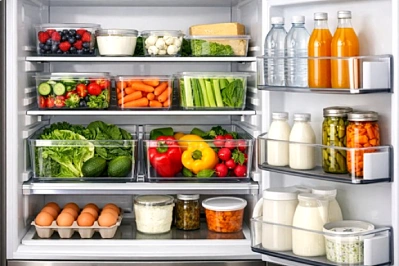
Tired of opening your fridge to find wilted herbs or stale bread that went bad way too fast?
Food waste hits hard when groceries spoil before you use them, wasting money and adding frustration to everyday cooking. The good news is simple storage upgrades can change that without fancy overhauls or endless effort.
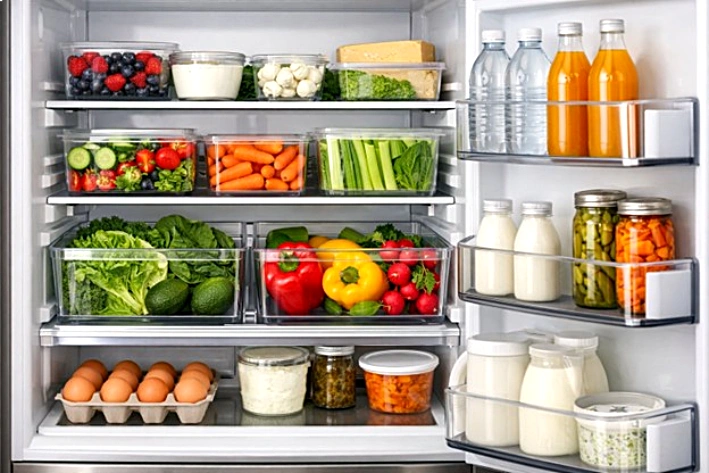
This guide shows practical tweaks for your fridge, pantry, and freezer to keep food fresher longer and cut down on waste.
Discover how tools like a vacuum sealer for everyday meal prep, smart zoning, and airtight habits deliver tastier meals and stretch every grocery run further.
Key Takeaways
- Organize your fridge by temperature zones and use airtight containers to keep produce and leftovers fresh longer
- Store pantry staples in sealed containers away from heat and light to protect flavor and prevent spoilage
- Freeze food properly with good wrapping and labeling to preserve taste and texture for weeks or months
Set Up Your Fridge Like a Freshness System, Not a Junk Drawer
Most fridges end up as black holes where leftovers go to die. If we organize by food type and storage needs instead of just cramming things wherever, produce lasts longer and nothing gets buried in the back.
Use “zones” to slow spoilage and keep food visible
We stash high moisture foods like leafy greens, herbs, and broccoli in the high humidity drawer. The low humidity drawer works better for fruits like apples, pears, and anything that gives off ethylene gas as it ripens.
Door shelves are the warmest spot in the fridge, so we keep condiments, hot sauce, and salad dressings there since they handle temperature swings pretty well. Eggs and milk? They really don’t belong on the door, even if it’s tempting.
Eye level storage is a game changer. We put leftovers and foods that need to be eaten soon right where we’ll see them. If that container of soup sits at eye level instead of behind the pickles, it actually gets eaten. Clear bins help group similar stuff so nothing gets lost.
Fix airflow, moisture, and temperature pain points
Overstuffing blocks cold air from circulating. We try to leave space between items so air can flow around everything. When the fridge is packed tight, cold spots form and some foods freeze while others spoil faster.
The sweet spot for fridge temperature is between 35°F and 38°F. We use a cheap thermometer because those dial settings aren’t always right. The back wall and bottom shelves run coldest, so we keep delicate produce on the middle or upper shelves.
For greens, we line the crisper drawer with paper towels to soak up extra moisture. Washing produce before storing just adds water and makes things rot faster. We wait to rinse berries and leafy veggies until we’re ready to eat them.
Choose containers that match the job
Clear containers let us scan the fridge quickly without opening every lid. We see what needs to be used up and nothing gets forgotten.
Sealed containers are perfect for leftovers, cooked grains, and anything chopped or prepped. Vented storage is better for whole veggies and fruits that need airflow. Berries do best in containers with tiny holes so moisture can escape.
Our basic container setup includes:
- One set of airtight containers (various sizes) for leftovers and meal prep
- Vented produce bins or bags for whole fruits and vegetables
- Small jars or containers with lids for sauces, dressings, and chopped ingredients
Pantry and Counter Upgrades That Keep Ingredients at Peak Quality
The real trick to making food last longer is protecting dry goods from the big four: light, heat, air, and pests. Smart decanting and a simple rotation system go a long way toward cutting down on stale ingredients and wasted money.
Make “decanting” worth it without turning into a weekend project
No need to pour every single item into matching containers. Focus on the stuff we use a lot: grains, flour, sugar, nuts, and snacks. These get the most out of airtight storage.
Skip decanting things we barely use or stuff where we need the package for cooking times. It saves time and keeps important details handy.
Labels matter way more than fancy containers. Write three things: the ingredient name, the date we opened or transferred it, and the best-by date from the original package.
Permanent marker or a cheap label maker does the trick. That way, we’re not playing the guessing game of whether that white powder is flour or powdered sugar.
Control the freshness enemies: light, heat, air, and pests
Oils, nuts, and spices lose flavor and freshness quicker than most people think. Heat and light only speed it up. We stash these away from the stove and out of direct sunlight.
Airtight containers with solid seals keep air out and freshness in. Just a bit of air can make nuts go rancid and spices lose their punch in months instead of lasting all year.
Pests always find a way in if they can. Sealed glass or thick plastic jars stop them cold. We keep counters and shelf corners crumb-free since that’s basically a bug buffet. Some folks swear by bay leaves as a natural pest repellent, but honestly, tight seals usually do the job.
Build a “use-first” lane to reduce expired food
Set up a basket or bin in the pantry for stuff that needs to get used soon, anything close to its best-by date or already opened.
When new groceries come home, shove the old stuff forward and put new things behind. Grocery stores do this for a reason, and it works at home too. It’s that first in, first out idea; no more food hiding in the back until it’s too late.
Once a week, spend five minutes checking a shelf. Move anything that needs attention to the use-first zone. This tiny habit catches things before they expire and doesn’t require a full pantry overhaul.
Freezer Habits That Protect Flavor, Texture, and Your Future Self
The freezer can be your best friend or just a graveyard for forgotten food. It all depends on how you pack things and what formats you use for meals or ingredients.
Freeze in formats that reheat well
Flat packs are magic for sauces, soups, and cooked grains. We pour them into freezer bags, squeeze out the air, and lay them flat on a sheet pan until solid. They stack like books and thaw fast under warm water.
We portion proteins and chopped produce before freezing to save time on busy nights. Chicken breasts, ground meat, or diced veggies go into single meal amounts. That way, we grab just what we need without wrestling a frozen brick.
The “two meal rule” keeps our freezer useful, not cluttered. We only freeze things we’d actually want to eat in the next month or two. If it doesn’t sound good on a weeknight, maybe it shouldn’t go in at all.
Packaging that prevents freezer burn and weird textures
Air causes freezer burn and messes up texture. We squeeze out as much air as possible from freezer bags before sealing. For things that don’t fit in bags, we wrap tightly in plastic wrap first, then add foil or stick them in containers.
Freezer bags work for most things. Rigid containers protect delicate stuff like baked goods or anything we don’t want crushed. Some folks use vacuum sealers, but honestly, tight wrapping and decent bags work for most home cooks.
Labeling and inventory, not a spreadsheet
We write three things on every package: what it is, the date we froze it, and how many servings. A permanent marker on masking tape does the job.
Grouping by category makes it easier to find things. Proteins in one spot, quick meals in another, prepped ingredients somewhere else. No need to overthink it.
A simple inventory helps us remember what’s in there. We keep a running list on our phones or scribble on a whiteboard stuck to the freezer door. Add things when they go in, cross them off when they’re gone.
Frequently Asked Questions
We get a lot of questions about keeping food fresh without making it a big project. Here are some common concerns and practical answers that might help you squeeze more life out of your groceries.
What is the ideal fridge temperature to keep food fresh longer?
Most fridges do best around 37 to 40°F (3 to 4°C). Too warm speeds spoilage, too cold can freeze produce and change texture.
Should you wash produce as soon as you get home?
Not always. Moisture can accelerate spoilage for berries and greens. Wash closer to use, or dry extremely well before storing.
How can I prevent leftovers from getting ignored?
Use clear containers, keep leftovers at eye level, and create a “use-first” shelf so they are the first thing you see.
What is the easiest way to reduce freezer burn?
Remove as much air as possible, seal tightly, and freeze in smaller portions so food thaws faster and spends less time exposed.
Which foods benefit most from airtight storage?
Items that go stale quickly, like nuts, coffee, flour, crackers, and spices. Airtight containers help preserve flavor and texture.