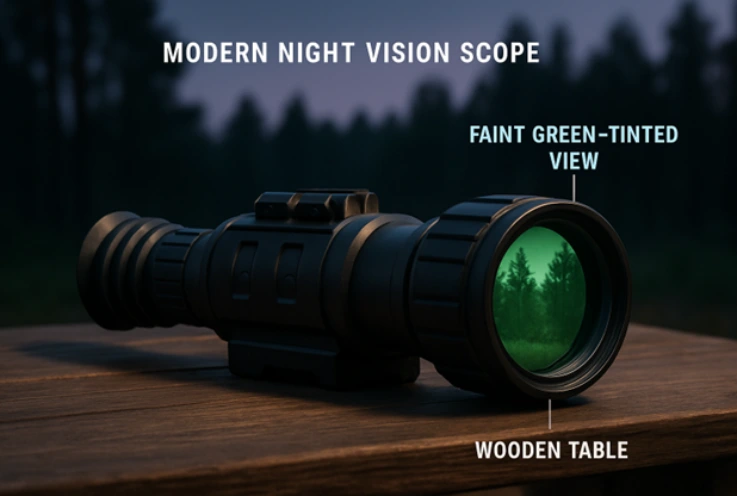
Night vision technology has made a significant transformation into more compact and lighter optics than the often unwieldy and frequently unclear scopes of just a few decades ago. Initially developed as gear for the military, night vision technologies have transitioned to smaller, lightweight gear that a majority of civilians can purchase and use. This is truly an exciting time to be considering night vision optics as the improvements in digital sensors, quality of lens, and power consumption have influenced today’s night vision optics that allow the user to create quality, high-definition images without lugging around a heavy, unmanageable scope. The AGM Rattler v2 is one instance of the large advancements we are seeing in night vision optics, especially in the context of a hobbyist or professional user who wants useful features, durability, and portability.
Selecting the Right Night Vision Device
To secure the right specific night vision scopes to suit your needs, determine your main objective. Are you looking to use it for hunting? personal defense? asset/property surveillance for security purposes? spot wildlife? For those who will be looking for wildlife or in harsh or rugged terrains, the conditions will dictate the best device to adapt to those conditions (most wildlife areas, don’t have a lot of light). The AGM Rattler v2 is one of the most versatile examples on the market; it has become a go to balance ruggedness, imaging clarity, and cost, primarily in the outdoor world. If you are an owner that has concerns monitoring a patio or property, like the peace of mind urban night surveillance allows, the owners weigh battery life, and size of scope operate their surveillance as options, while sub-treated or netting for possible options to mount it can be economically feasible. The budget is another big differentiator with prices that are widely different, and depending on comparisons on features or technology can drive changes to what constitutes best. Similarly, considering what reviews and forums have genuine users, will send you away with a product that gives you a relatively informed sensibility about value and performance when comparing the two types of characterization.
Practical Applications for Night Vision Scopes
Night vision scopes are increasingly popularized for purposes outside of military and law enforcement agents. Outdoor activities involving such things as hunting, hiking, or observing, night vision scopes give outdoor enthusiasts a better vantage point while allowing for additional safety. For search and rescue personnel, night vision can have stark, life-altering differences, where one missing person may be able to be found in conditions too dark for other visibility means. Homeowners incorporate night vision scopes into their security routines, when you make an effort into your property, through the investment, you have all the right reasons to see as communicates intent about the caring concern around your property long after the sun has gone down.
Thermal vs. Infrared: What is the difference?
Thermal imaging scopes, for example, will enable you to see living creatures in pitch darkness, light brush, fog or some light barriers. Thermal imaging can provide great advantages tracking game, or tracking intruders regardless of light conditions. Infrared scopes can be used for navigation or surveillance, for purposes where the environments don’t have pitch darkness but low-light. Generally speaking the best scope ultimately comes down to intended use: thermal or infrared scopes in the case of locating animals in one habitat and the other for navigation or general nightly perimeter checks.
Conclusion
Night vision technology has progressed significantly from bulky hardware restricted to military organizations to convenient, affordable goggles and other tools for a number of different uses. Night vision is being applied in increasing end uses from outdoor recreation to search-and-rescue efforts, home security and professional uses, and other very important considerations as the frontiers of technology change. Although infrared and thermal scopes may reach different conclusions on applied uses, use is always determined by user needs. As technology has more potential for advances around sensors, efficiencies, and integrations with digital tools, it will not only grow as a form of supporting safety and awareness, but overall capability, in the future.