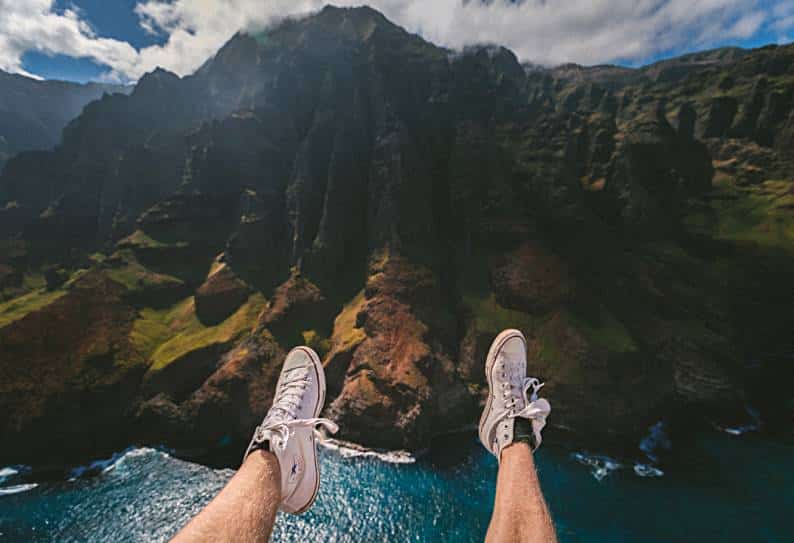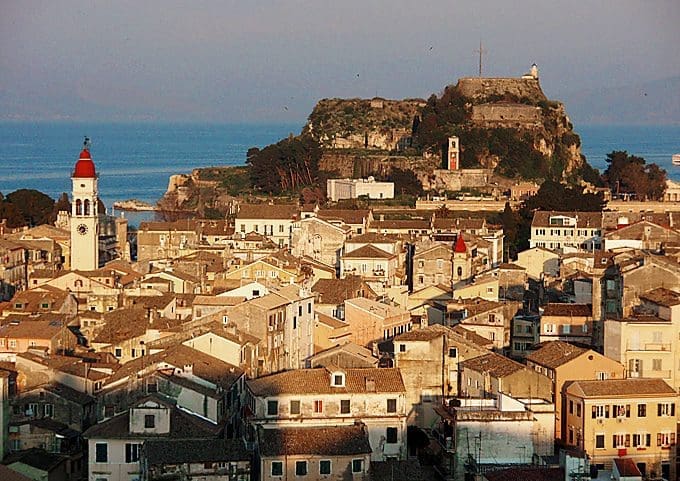
The setting in which art is displayed can be just as captivating as the work itself.
Across the world, some galleries and cultural landmarks are designed to make the most of their surroundings, using natural light, architectural details and carefully chosen locations to influence how visitors experience art.
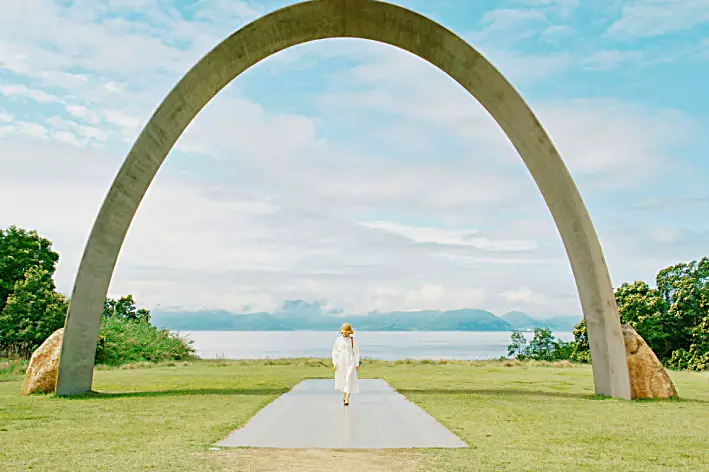
These spaces invite people to appreciate not only the artworks on display but also the buildings and landscapes that frame them.
For travellers interested in art, architecture and design, visiting these places can be as much about exploring the setting as admiring the collections. A gallery overlooking a dramatic coastline or a museum designed around its natural surroundings can reveal new perspectives on familiar works. These five destinations show how thoughtful architecture and distinctive locations can make a cultural journey especially rewarding.
Exploring Tadao Ando’s Underground Museum and James Turrell Installations on Naoshima, Japan
Arriving by ferry on Naoshima, a small island in Japan’s Seto Inland Sea, introduces visitors to a landscape where contemporary art and architecture sit alongside quiet coastal villages. One of its most remarkable attractions is the Chichu Art Museum, designed by Japanese architect Tadao Ando and opened in 2004. Built almost entirely underground to preserve the island’s natural scenery, the museum features minimalist concrete corridors, geometric courtyards and carefully positioned openings that allow daylight to reach the galleries.
Inside, five paintings from Claude Monet’s Water Lilies series are displayed in a gallery illuminated entirely by natural light. James Turrell’s installations explore the relationship between light, colour and perception, with Open Sky framing the changing sky through an opening in the ceiling. Walter De Maria’s Time/Timeless/No Time adds another dimension, using a large granite sphere and architectural elements arranged within a dramatic, naturally lit space. Together, these works demonstrate how the museum’s design influences the way visitors experience the art.
For travellers considering tailor-made Japan tours, Naoshima is an appealing addition to an itinerary focused on contemporary art and architecture. Ferries connect the island with Uno and Takamatsu, while local buses and museum shuttles provide access to the main art sites. Chichu Art Museum requires timed-entry reservations, so book tickets in advance and allow at least 90 minutes to explore its galleries. Spring and autumn are particularly pleasant for visiting the island, with comfortable temperatures for exploring its outdoor installations.
Admiring Frank Gehry’s Titanium-Clad Museum in Bilbao, Spain
Standing beside the Nervión River in Bilbao, the Guggenheim Museum immediately catches the eye with its sweeping curves and shimmering titanium exterior. Designed by Frank Gehry and opened in 1997, the museum played a major role in transforming the former industrial city into an international cultural destination. Its striking structure incorporates around 33,000 thin titanium panels alongside limestone and glass, creating surfaces that change appearance with the shifting daylight. Inside, a soaring central atrium connects galleries of different shapes and sizes, with some designed to accommodate large-scale contemporary installations.
Richard Serra’s The Matter of Time is among the museum’s most impressive permanent works, featuring enormous weathered steel sculptures that visitors can walk through and around. Housed in the spacious ArcelorMittal Gallery, the towering steel sculptures reveal changing shapes, narrow passages and unexpected perspectives as visitors move through the installation. The installation also reflects Bilbao’s industrial past, while its sweeping shapes complement Gehry’s architectural design. Outside, Louise Bourgeois’ giant spider sculpture Maman and Jeff Koons’ flower-covered Puppy are among the museum’s most recognisable permanent outdoor artworks.
Allow at least two to three hours to explore the galleries and surrounding outdoor installations. The museum is generally open Tuesday to Sunday, with additional Monday openings during selected holiday periods. Booking tickets in advance is advisable, particularly during summer and major exhibitions. For a closer look at Gehry’s design, walk along the riverside promenade and cross the nearby La Salve Bridge, where the museum’s curved exterior can be appreciated against Bilbao’s urban landscape.
Wandering Majorelle’s Garden and the Yves Saint Laurent Museum in Marrakech, Morocco
Jardin Majorelle is one of Marrakech’s most recognisable cultural landmarks, where vivid cobalt-blue buildings stand among towering cacti, bamboo groves and tropical palms. Created by French painter Jacques Majorelle in the early twentieth century, the garden reflects his fascination with colour, architecture and botanical design. Its shaded pathways, ornamental pools and bold geometric structures create striking contrasts between the natural surroundings and the buildings. Yves Saint Laurent and his partner Pierre Bergé purchased the garden in 1980, helping preserve a place that became an important source of inspiration for the fashion designer.
A short walk away, the Musée Yves Saint Laurent Marrakech was designed by French architectural practice Studio KO. Its terracotta-brick exterior features textured patterns inspired by woven fabric, reflecting Saint Laurent’s connection to fashion and craftsmanship. Inside, exhibition spaces showcase his influential designs, sketches and creative legacy, while the building’s curved walls and carefully controlled lighting provide a striking contrast to the colourful gardens nearby. The museum’s architecture draws on Moroccan materials and traditional building techniques, reflecting the country’s craftsmanship while maintaining a contemporary design.
Both sites can be explored in a single visit, although it’s advisable to allow at least two to three hours to appreciate the gardens and museum. Book tickets in advance through the official ticketing service, particularly during busy travel periods. The Yves Saint Laurent Museum is generally closed on Wednesdays, while Jardin Majorelle opens daily. Visiting the garden early in the morning is a good way to enjoy its architecture and colourful planting before the busiest hours.
Visiting Renzo Piano Galleries and Water Lily Ponds Near Basel, Switzerland
Set within Berower Park in Riehen, just outside Basel, the Fondation Beyeler is renowned for its collection of modern and contemporary art. Designed by Italian architect Renzo Piano and opened in 1997, the museum features a low-profile structure with a glass roof that allows soft, natural light into its galleries. Large windows overlook mature trees, water lily ponds and the surrounding countryside, creating a close connection between the artworks and the landscape. The building’s understated design allows the collection to take centre stage while making the gardens an important part of the experience.
Inside, visitors can encounter works by celebrated artists such as Mark Rothko, Paul Klee and Alberto Giacometti, although individual pieces on display vary as exhibitions change. Piano’s carefully planned galleries use diffused daylight to illuminate the artworks, while views of the surrounding park provide moments of quiet between exhibition rooms. The surrounding landscape stretches towards fields, vineyards and the foothills of the Black Forest, reinforcing the connection between art, architecture and nature.
The Fondation Beyeler is easily reached by public transport from central Basel, making it a convenient cultural excursion. Allow around two to three hours to explore the galleries and spend some time walking through the park. The museum generally opens daily, with extended hours on Wednesdays, and booking tickets online in advance is recommended during major exhibitions. Spring and summer bring lush greenery around the ponds, while autumn offers a different perspective as the trees change colour.
Viewing Donald Judd’s 100 Mill Aluminium Works in Marfa, Texas, USA
In the vast desert landscape of West Texas, artist Donald Judd found the space to realise his vision of displaying art in a permanent setting, closely connected to its surroundings. At the Chinati Foundation in Marfa, he transformed two former military artillery sheds into galleries for his 100 untitled works in mill aluminium, completed between 1982 and 1986. Each sculpture shares the same external dimensions but features a different internal configuration, creating subtle variations in shape, depth and perspective.
Judd redesigned the artillery sheds with large windows and vaulted metal roofs, allowing natural light to fill the interiors while framing views of the surrounding desert. The polished aluminium surfaces reflect the changing daylight, giving the sculptures a different appearance as visitors move around them. Their precise arrangement within the buildings was carefully planned to complement the architecture, making the relationship between the artworks, the gallery spaces and the landscape central to the experience.
Marfa is approximately a three-hour drive from El Paso, and the Chinati Foundation is one of the main reasons art enthusiasts make the journey into this remote part of Texas. Most of the foundation’s collection is accessible through guided tours, which should be booked in advance. Visitors can also explore Judd’s fifteen large concrete works installed outdoors across the desert landscape. Before travelling, check the Chinati Foundation’s current access arrangements, as the artillery sheds housing Judd’s 100 aluminium works are undergoing a major restoration and are closed to visitors.
Which setting would you travel for?
Visiting art in the place it was designed for can reveal details that are easily lost in a conventional gallery. The natural light filtering through Naoshima’s underground museum, the striking architecture of Bilbao’s Guggenheim and the desert surroundings of Donald Judd’s installations in Marfa all influence how visitors experience the works. In these destinations, the setting plays an important role in understanding the artist’s vision.
For travellers drawn to art and architecture, these experiences can make a cultural journey particularly rewarding. Taking time to explore the buildings, their surroundings and the ideas behind their design reveals why location matters as much as the collection itself. Long after the visit, it’s often the relationship between the artwork and its setting that leaves the strongest impression.
written by Alexa Wang