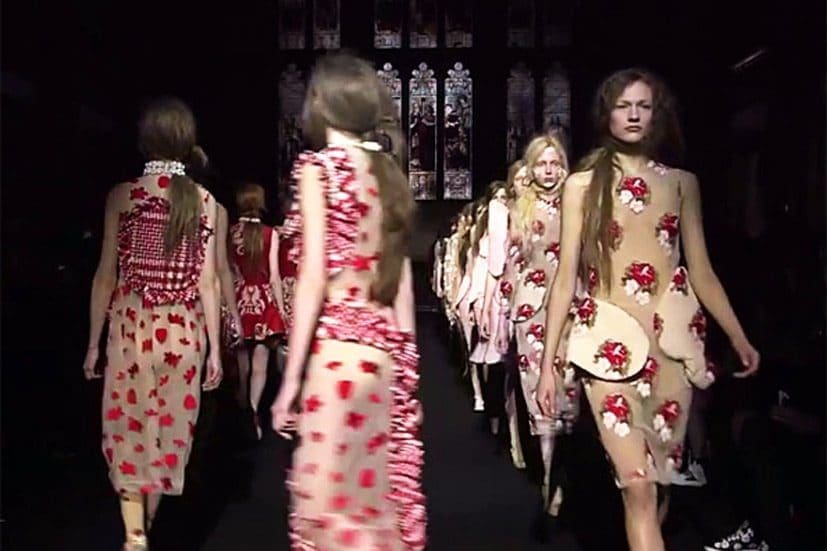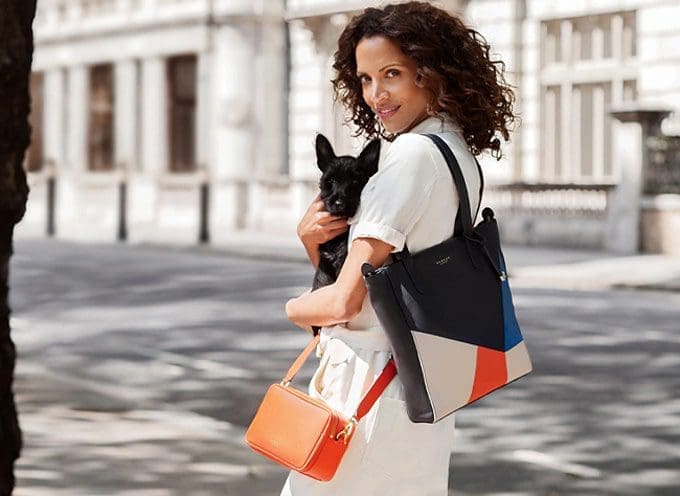
Printing plays a big role in the fashion world. After all, that’s often what gives clothes their designs and colors.
However, the final look of an outfit extends beyond that; it also involves texture and movement. So, looking beyond just printing, how does contemporary fashion design use texture to create more interesting pieces?
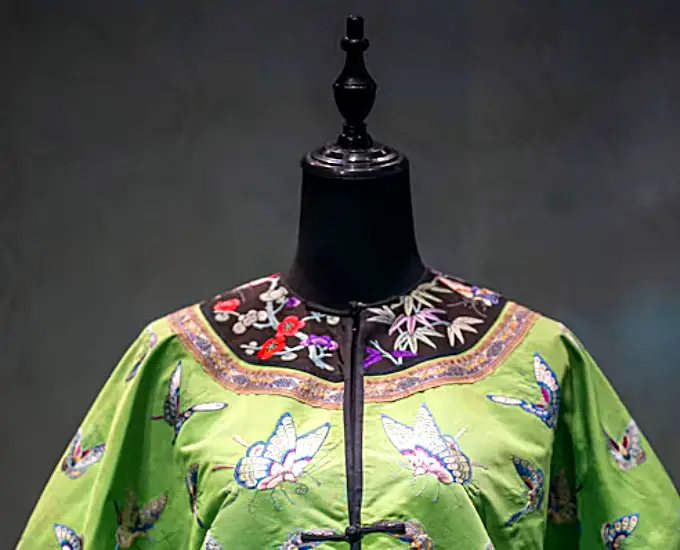
Fabric Textures with Digitizing Embroidery
Embroidery is anything but a new practice – in fact, in history, embroidery came long before printing was even a thing! As such, embroidery is a great way to add texture to contemporary fashion, and many people make the process easier and more modern with digitizing embroidery.
So, what is digitizing embroidery? It is essentially the process of turning artwork into a digital file. With this file, you can then tell an embroidery machine to stitch it out on your chosen fabric. There is absolutely no need for you to handle a needle and thread yourself, which is useful for those who want to reduce the time spent embroidering. That’s why so many small and big embroidery businesses alike use the best digitizing embroidery equipment.
Ribbed Texture in Clothing
One of the most popular ways to add texture to garments is by using ribbed textures. Essentially, this means introducing vertical or horizontal ridges to the fabric, which add lots of dimension. There are many different types of ribs that come in and out of fashion, including:
- Wide rib
- Fine rib
- Corduroy
- Interlock ribs
Usually, this works best with breathable materials like cotton.
3D Printing
An extremely innovative way of adding texture to clothes involves 3D printing. This creates exciting, sometimes mind-bending textures that work especially well on runways. These 3D printers lay flexible materials onto the original material (whether it’s denim, cotton, or another fabric). The flexible material then bonds with the fabric, creating unique micro-textures for an extremely interesting finish. With this method, you can create all sorts of patterns using texture alone, without any printing.
Unique Fashion with Sew-On Patches
Adding texture to clothes can mean literally placing another piece of fabric on top of the original. The most common method is using sew-on patches. The process is extremely simple: buy a sew-on patch and stitch it onto the exact spot you want it. Of course, many fashion designers intentionally sew on added patches before selling a garment.
The best part is that you can do this yourself at home. Some people even design and make their own sew-on patches for truly unique fashion items.
Statement Oversizing
Another way designers are adding texture to clothes is with statement oversizing. This usually involves intentionally oversizing certain parts of a piece of clothing, such as adding a much longer hemline than usual. Or an oversized blazer might have exaggerated shoulder pads.
Several innovative and exciting methods add texture to fashion. While printing is still an important method for making clothes, it isn’t the only one. Traditional methods like embroidery work well, especially when modernized with machines and software. Many designers also create contemporary designs with 3D printing for designs worthy of the runway.
written by Alexa Wang