

Your coffee should taste rich and balanced, yet it often turns out bitter, sour, or flat. Small mistakes cause most flavor problems. You may use the wrong grind size, stale beans, water that is too hot, or the wrong coffee-to-water ratio.
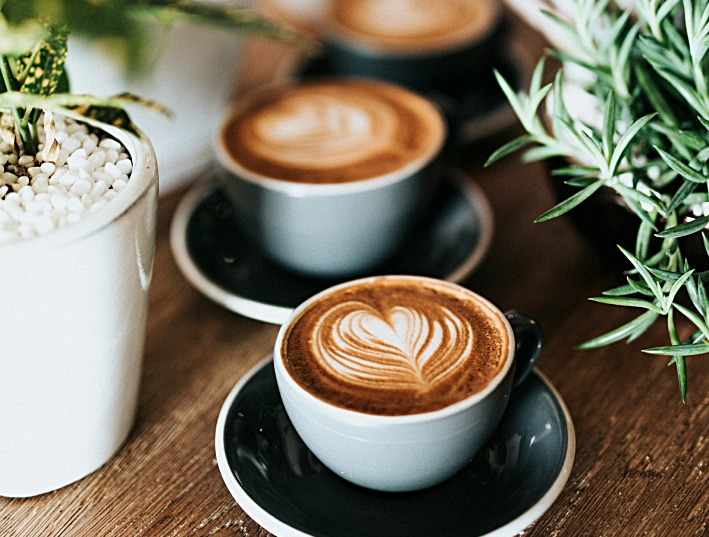
You can fix most coffee flavor issues by using fresh beans, the right grind for your brew method, clean equipment, and a proper coffee-to-water ratio. These simple changes improve taste right away. In addition, they help you get steady results each time you brew.
You will see which common habits hurt flavor and how to correct them. As a result, you can take control of your brew and enjoy a better cup at home.
Common Coffee Flavor Mistakes
Small errors in bean freshness, grind size, and water temperature can shift your cup from balanced to bitter or sour. You control each of these factors at home with a few clear steps.
Using Stale Beans
Coffee loses flavor soon after roasting. Air, light, and heat break down the oils that give coffee its aroma and taste. As a result, old beans often produce flat or dull cups.
Buy beans with a clear roast date. Try to use them within two to four weeks of that date. Store them in an airtight container in a cool, dark place, not in the fridge.
Many people purchase from a specialty coffee supplier in Canada that roasts weekly, so they start with fresh beans and better flavor control at home. Fresh beans give you more sweetness and clearer notes. Stale beans, however, limit what you can fix later with grind or water changes.
If your coffee tastes lifeless even after recipe changes, check the roast date first.
Incorrect Grind Size
Grind size controls how fast water pulls flavor from coffee. If the grind is too fine, water extracts too much, and your cup tastes bitter or harsh. If the grind is too coarse, water extracts too little, and the result tastes weak or sour.
Match the grind to your brew method. For example:
- Espresso: very fine
- Pour over: medium to medium-fine
- French press: coarse
Use a burr grinder if possible. Burr grinders create even particles, which lead to balanced extraction. Blade grinders often create mixed particle sizes, and that uneven texture can cause both sour and bitter notes in the same cup.
Adjust the grind in small steps. Then taste and note the change.
Improper Water Temperature
Water that is too hot pulls bitter compounds from coffee. Water that is too cool fails to extract enough flavor. Both problems affect balance.
Aim for water between 195°F and 205°F. If you do not use a thermometer, bring water to a boil and let it sit for about 30 seconds before you pour.
Also, preheat your mug and brewer with hot water. A cold cup can drop the brew temperature fast, which reduces extraction and dulls flavor. Stable heat supports better taste and a smoother finish.
How to Improve Your Coffee Brew
Great coffee starts with fresh beans, precise ratios, and clean tools. You control each of these factors at home with simple, consistent habits.
Selecting Fresh, High-Quality Beans
Start with whole beans instead of pre-ground coffee. Whole beans hold flavor longer because less surface area meets air.
Check the roast date on the bag. Buy beans that show a recent date, and try to use them within two to four weeks of that date. Store them in an airtight container in a cool, dark place. Avoid the fridge, since moisture can harm flavor.
Choose beans that match your taste. Light roasts often taste brighter and more acidic. Dark roasts taste bolder and more bitter.
Grind your beans just before you brew. A burr grinder gives a more even grind than a blade grinder. As a result, your coffee extracts more evenly and tastes balanced instead of sour or harsh.
Perfecting Your Brewing Technique
Measure both coffee and water with a digital scale. Guesswork leads to weak or overly strong cups. A good starting point is 1 gram of coffee to 15 to 17 grams of water. After that, adjust slightly to fit your taste, but keep your ratio consistent.
Match your grind size to your brew method. Use coarse grounds for a French press, medium for drip machines, and fine for espresso. If the grind does not match the method, your coffee may taste bitter or thin.
Pay attention to water temperature. Heat water to about 195 to 205°F. Water that is too hot can cause bitterness. Cooler water can leave your coffee flat and sour.
In addition, use filtered water if your tap water has a strong taste. Since coffee is mostly water, poor water quality affects every cup.
Maintaining Clean Equipment
Old coffee oils build up fast inside grinders, carafes, and filters. These oils turn rancid and add a stale taste to fresh coffee.
Wash removable parts with warm water and mild soap after each use. Rinse well so no soap remains. Dry all parts fully before you store them.
Descale your coffee maker every one to three months, based on how often you brew. Mineral buildup can block water flow and change extraction time. As a result, your coffee may taste weak or bitter.
Clean your grinder often as well. Brush out loose grounds and wipe surfaces. Fresh beans deserve clean equipment, and you taste the difference in every cup.
Conclusion
You control flavor through grind size, water quality, brew time, and bean freshness. Small changes to these factors fix bitter, sour, or weak cups and give you a clean, balanced taste.
Pay attention to detail and measure your coffee with care. Adjust one variable at a time, taste the result, and repeat as needed. With steady practice, you turn simple habits into better coffee every day.