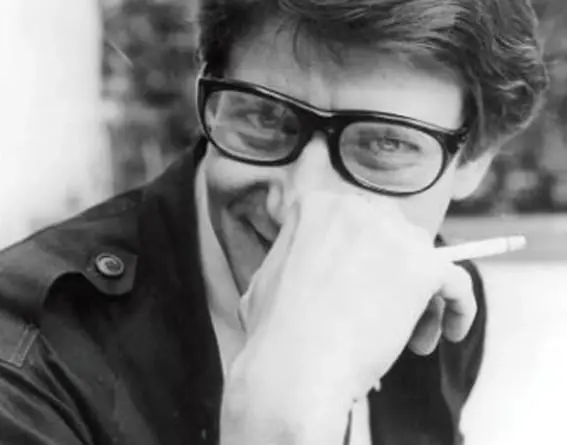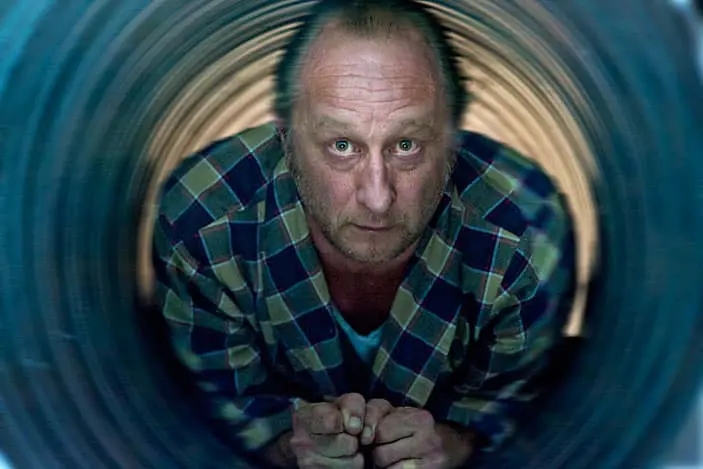
Derek Jarman never stayed in his lane. Painter, filmmaker, writer, queer agitator, garden mystic: his work erupts across mediums with rare intelligence and a vitality that still hums like a live wire. Born into Thatcher’s Britain and fiercely opposed to it, Jarman’s films arrive as political flare guns and aesthetic experiments, blazing with the urgency of someone who refused to look away.
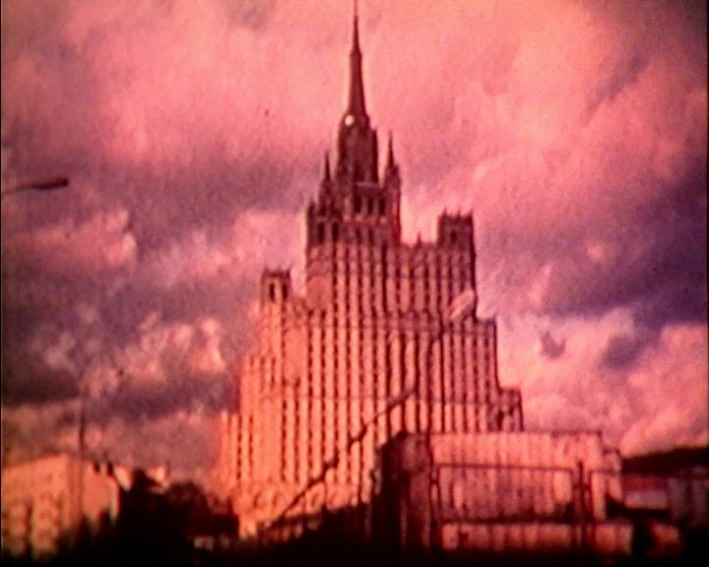
Centre Pompidou now plunges into the full spread of his vision, from freshly remastered features to raw, intimate Super 8s—cinema as diary, protest and spellwork. Alongside, Actes Sud drops the French edition of Modern Nature, Jarman’s cult journal of filmmaking, activism and the garden that saved him.
And because Jarman built worlds with people rather than performing the lone-genius act, the retrospective becomes a full-blown chorus. Friends, collaborators and inheritors—Tilda Swinton included, of course—gather to remember, spar and keep his fire stoked. A polyphonic salute to an artist who made rebellion look like grace.
His work didn’t just cross disciplines; it dissolved them. The retrospective snaps his films back into focus, revealing how tightly they’re stitched to the pulse of his politics, his desires and his stubborn belief in other possible lives.
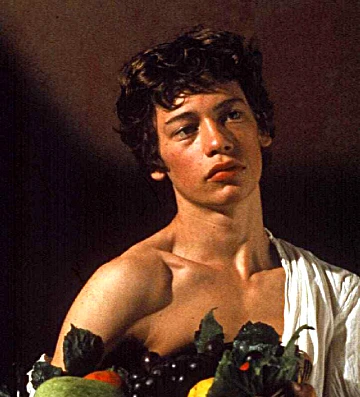
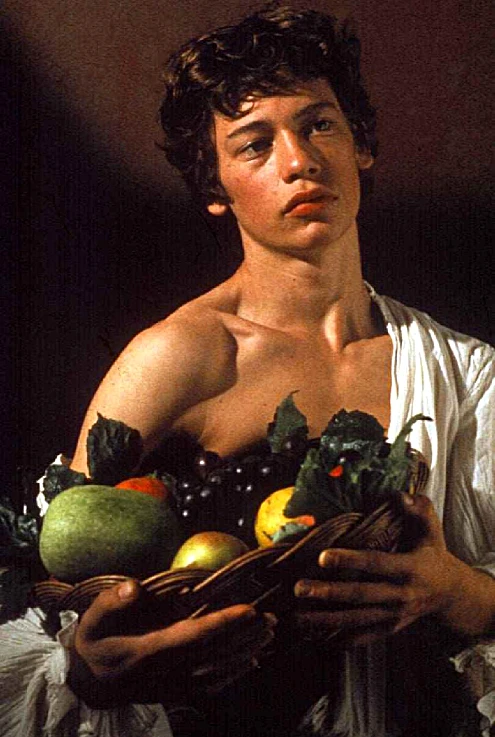
Late in life, Jarman liked to say he was “a painter who makes films,” which is really the only password you need. His cinema is drenched in color and shadow, from the baroque shimmer of Caravaggio to the apocalyptic lyricism of The Last of England. Chroma, his meditation on color, reads with the same fever—vivid, urgent, impure.
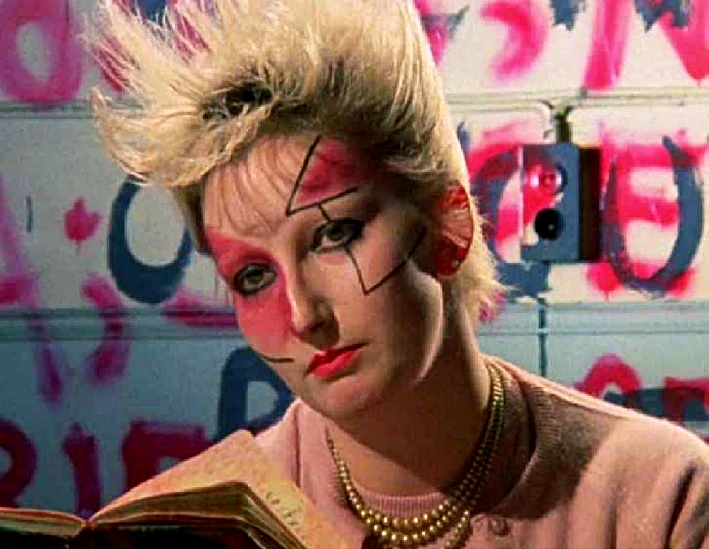
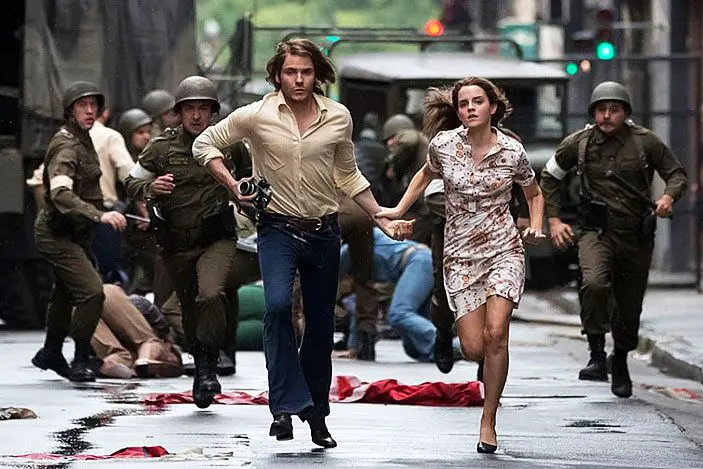
Jarman ignored the industry rulebook. He sliced up narrative order, rewired time and treated cinema as collage. Even at his most celebrated, he returned to Super 8: refilmed, slowed, oversaturated—film as experiment, diary, séance. ICA and Miss World catch him in full community mode, celebrating chosen families and London’s unruly underground.
And always, the political. Jarman filmed homosexuality without euphemism or fear, in an era that demanded both. He publicly announced his HIV-positive status when silence was safer, becoming a fierce voice for those living with HIV. His films refuse erasure—whether resurrecting Saint Sebastian or documenting queer joy as resistance.
Decades after Thatcher, his fury still crackles. Yet so does his generosity. His films were collective acts—friends, lovers, co-conspirators shaping every frame. Prospect Cottage became a garden of myth, constantly in bloom.
This retrospective gathers those who knew him, those changed by him and those still building from the ground he broke. Derek Jarman: impure, incandescent, defiantly alive—a legacy that behaves more like a dare.
Derek Jarman: The impure and the grace – A film retrospective – 28 Nov – 16 Dec 2025
words Alexa Wang