Later this month, an unusual art auction opens online. There will be no packed sale rooms or raised paddles—just two weeks of quiet bidding for works that carry a different kind of weight. The event, Drawing A Line Under Torture, is organized by the British charity Freedom from Torture, which provides clinical and therapeutic support for survivors of state violence.
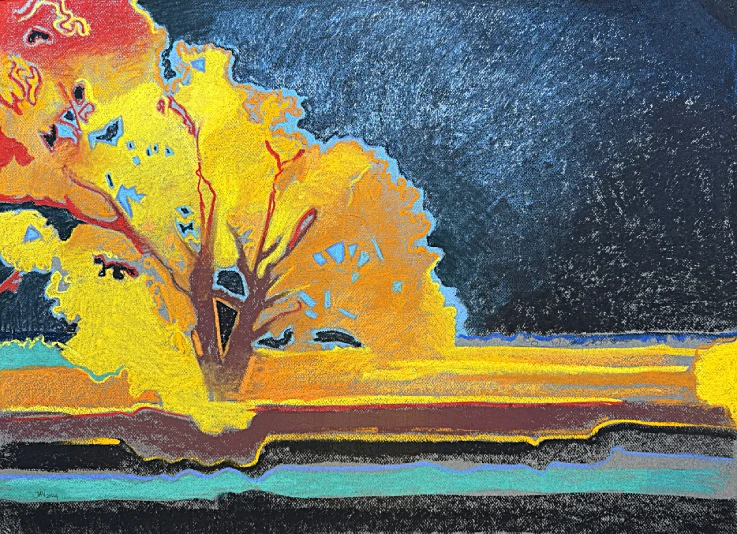
Now in its fourteenth edition, the biennial auction brings together nearly seventy artists, including Antony Gormley, Paula Rego, Anish Kapoor, David Nash, and Quentin Blake, alongside emerging talents—some of them former clients of the charity. Since it began in 2003, the series has raised more than a million pounds. This year’s goal is £300,000.
The format is simple: a silent auction opening online at 10 a.m. on October 27th. Works range widely in scale and price. Gormley has donated an original drawing expected to reach £50,000; the ceramic artist Edmund de Waal has offered a sculpture valued at half that. Other pieces, starting around £400, make it possible for a broader public to participate. All proceeds go directly to Freedom from Torture’s rehabilitation programs, which last year delivered more than ten thousand hours of therapy to survivors from countries including Sri Lanka, Afghanistan, and Iran.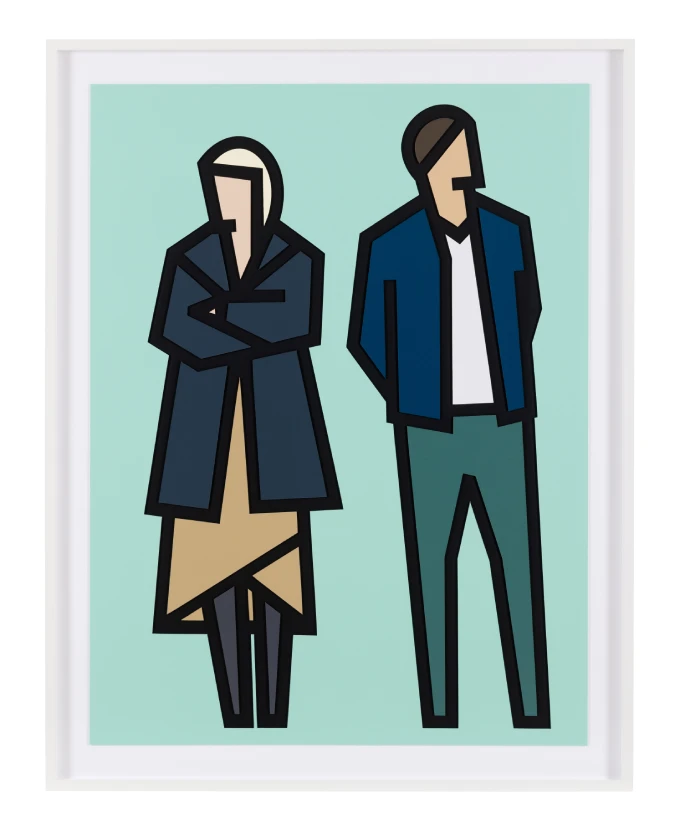
For some artists, the connection is deeply personal. Nasrin Parviz, an Iranian artist and activist, spent eight years in prison in the 1980s after being arrested for pro-democracy work. When she arrived in the U.K., she sought help from Freedom from Torture. “They gave me therapy, but also encouraged me to express myself through art and writing,” she says. “It helped me process my past and share my story.” This year, Parviz contributes one of her own pieces to the auction—a gesture that links recovery with return.
For others, the motivation is solidarity. “Art can be healing in many ways,” says David Nash, who has long supported the event. “Freedom from Torture’s work is essential, and I can’t think of a more worthwhile cause.” Antony Gormley, a supporter for more than a decade, describes his involvement as “a way to help survivors recover and rebuild their lives.”
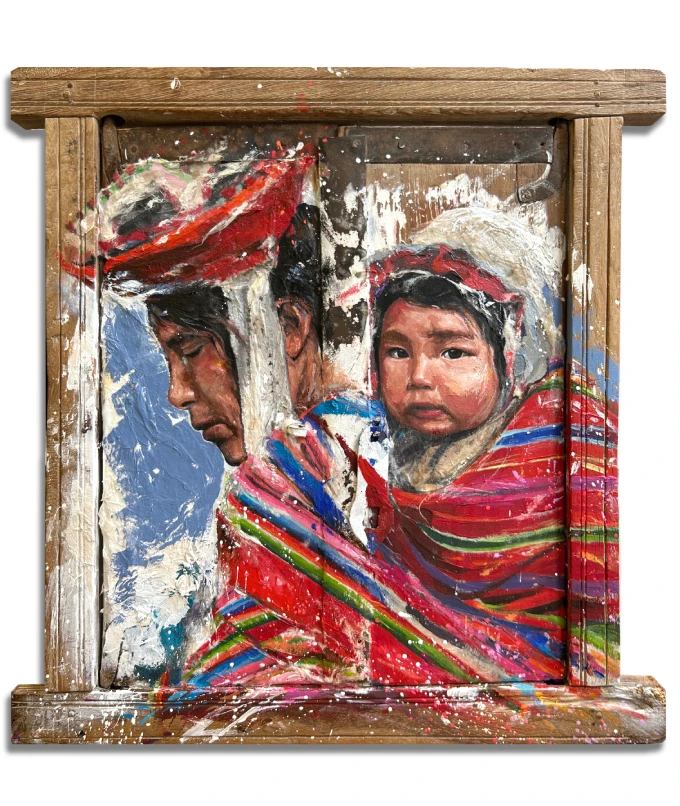
Freedom from Torture’s chief executive, Sonya Sceats, says that creative expression is central to the charity’s approach. “Survivors often describe how torturers tried to silence them,” she says. “Art therapy helps them reclaim their voice in a universal language.” For her, the auction also carries a wider message. “It’s an opportunity for collectors to take a stand against division, and to show solidarity through art.”
Behind the scenes, the event depends on an art auction committee that includes Alan Cristea, Kathleen Dempsey, Ariane Bankes, and several others, who draw on their connections across the art world to sustain the project. Over the years, the roster of contributors has read like a cross-section of modern British art—from Henry Moore and Howard Hodgkin to younger names just entering public view.
The atmosphere surrounding Drawing A Line Under Torture is markedly different from most art-market gatherings. There’s no speculation, no sense of insider trade. The works are seen as gifts, and their sale as an act of civic participation rather than luxury acquisition. The line in the title is not only metaphorical; it suggests a practical demarcation—between complicity and care.
When the final bids close in early November, the numbers will matter. But so will the quiet insistence of the project itself: that art, beyond its market value, can still be a tool for repair.