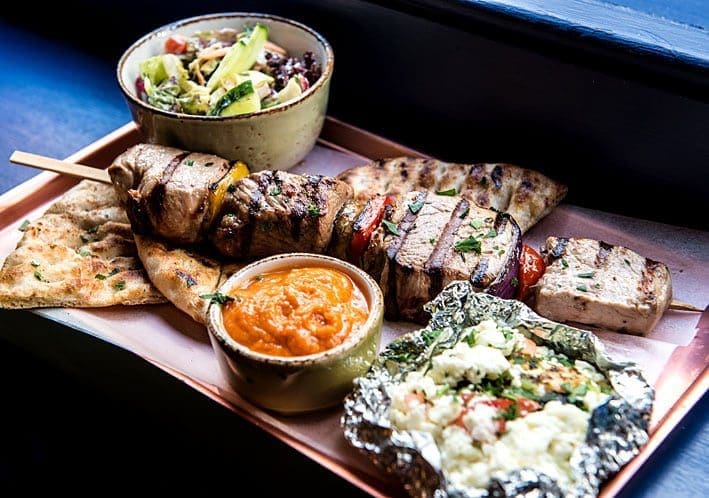
When people talk about a memorable gathering, the talk turns to the table. Food is the center of any event, shaping how guests talk and remember the day. A well-planned menu creates easy comfort, breaks down social walls, and sets the right mood. Paying attention to food choices changes everything.
Setting the Social Atmosphere
Events thrive when guests feel relaxed and ready to talk. Event planners often rely on custom menus for professional events to establish a welcoming tone right from the opening moments. Shared plates and tailored food tables give people an easy reason to start talking.
Sitting down for a meal creates a natural break in a busy event schedule. It encourages guests to put away their phones and talk with people sitting nearby. Shared dining experiences help break the ice between guests who might stay quiet otherwise throughout the program.
Expanding Market Demand for Quality Catering
Industry data shows how fast the demand for catered events is growing worldwide. The global catering services reached $154.71 billion in 2024, with projections climbing to $229.92 billion by 2033 at a 4.28% compound annual growth rate. Growth shows that quality dining helps drive event success.
Organizers put bigger parts of their budgets into food service than in past years. They know that good meals directly boost guest satisfaction and attendance numbers. Working with professional food teams has become a standard step for successful event planners in every industry sector.
Accommodating Diverse Dietary Needs
Host expectations are shifting as food choices become more varied across all groups. At a standard 100-person event, roughly 25 to 35 percent of attendees need specialized menu adjustments. Dietary needs range from severe allergies and gluten-free diets to vegetarian, vegan, or religious choices.
Failing to plan for these needs can leave guests feeling left out or uneasy. Modern menu planning guarantees that every guest has safe, tasty options to enjoy. Creating a broad menu shows care and respect for everyone at the event venue. Providing a wide choice of meals offers clear benefits for event hosts:
- Proper allergy accommodations protect guest health and safety
- Plant-based selections satisfy vegan and vegetarian preferences
- Clear ingredient labels give guests peace of mind before eating
- Specialized menus show that the organizers value guest comfort
Engaging Guests Through Interactive Dining
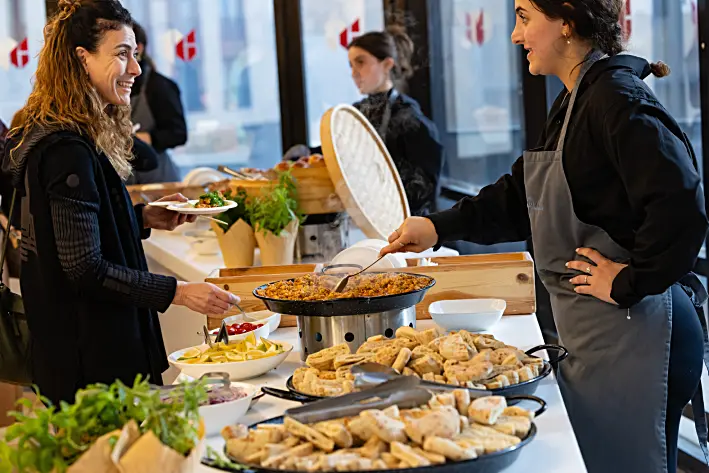
Food is part of the event fun. Industry observations point out that modern corporate dining prioritizes fresh flavours, custom options, and interactive setups that keep attendees engaged. Live cooking stations and build-your-own food bars invite guests to make their own plates.
Interactive stations encourage movement throughout the venue space. Guests get up from their seats, watch skilled chefs work, and talk with other guests in line. This active setup turns normal dining into a fun group activity that keeps energy high.
Creating Unforgettable Memories Through Flavor
Taste has a strong connection to human memory and feeling. A unique dish can bring back fond memories or spark excitement among event guests. When guests enjoy an unexpected flavor mix, that positive feeling stays connected to the event long after it ends.
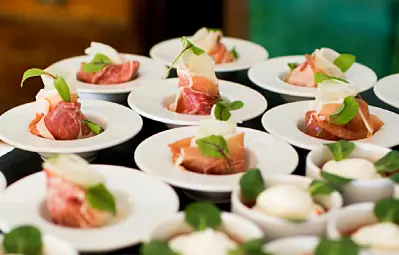
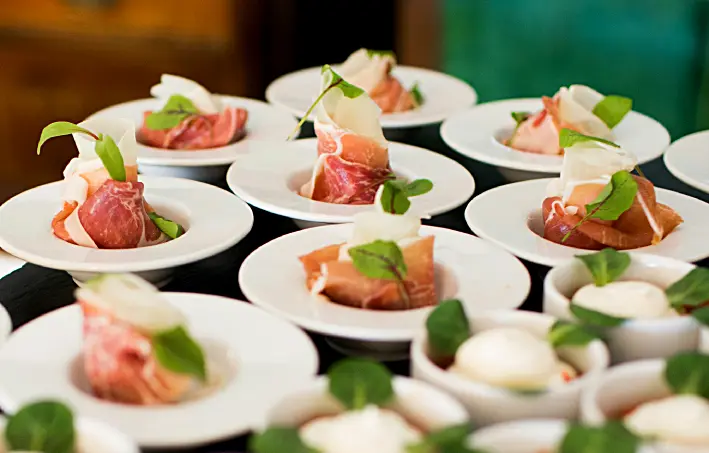
Visual presentation creates lasting memories. Beautifully arranged plates and bright ingredients turn simple meals into visual art. Guests take pictures of nice dishes and share positive words with co-workers and friends online. Thoughtful meal presentation improves the event experience through key elements:
- Distinctive flavor pairings create fun menu highlights
- Creative plate designs turn simple ingredients into visual art
- Regional dishes share local stories that start easy conversations
- High-quality ingredients show that the host values guest comfort
Matching Menu Selection to Event Goals
The style of food served must fit the main goals of the event. A formal awards night calls for structured multi-course plated dinners that keep a smooth schedule. A casual networking night works better with simple finger foods that let people move around freely.
Timing is another factor when choosing menu styles. Long meetings require balanced meals that keep energy high. Short workshops work best with light snacks that maintain focus without taking up too much time on the agenda.
Balancing Quality and Budgeting
Getting great dining results does not require a huge budget. Smart planning teams focus on high-quality main ingredients and keep side dishes simple and fresh. Working with skilled catering teams finds smart choices that give great taste while keeping costs under control.
Seasonal ingredients provide another good path toward budget control. Local, in-season produce offers better flavor at lower prices. Planning menus around seasonal supply lets hosts offer great food and control costs without losing quality.
Food converts rigid meeting plans into warm social moments that build long-lasting connections. Prioritizing menu choices, fresh ingredients, and creative dining styles will guarantee that guests walk away happy. Smart food planning turns a simple event into a memorable gathering.
written by Alexa Wang