
Many homeowners see gas chainsaws as powerful tools that handle tough jobs with ease. However, that power can come with costs that go far beyond the purchase price. Fuel use, maintenance, and part replacements add up faster than expected and can turn a cheap deal into an expensive mistake.
The hidden costs of a gas chainsaw often come from poor efficiency, short lifespan, and frequent repairs that drain both time and money. These problems can surprise anyone who buys based only on price or horsepower without understanding how upkeep affects long-term expenses.
A smart buyer looks past the sticker price and learns how to avoid unnecessary costs through proper care, smart operation, and thoughtful selection. This article explains what drives those hidden expenses and how simple choices can keep a gas chainsaw affordable, safe, and ready for years of use.
Hidden Costs of a Gas Chainsaw
Gas chainsaws often cost more to own than most new buyers expect. Beyond the sticker price, expenses such as fuel, maintenance, and repairs can quickly add up. Over time, these small costs can exceed the savings from a lower initial price.
Initial Purchase Price vs. Total Cost of Ownership
A gas chainsaw’s purchase price might seem straightforward, yet it rarely reflects its full expense. While homeowners may find models under $300, a quality mid-range chainsaw with good safety features and durable parts often costs $500 or more. The gap between what someone pays upfront and what they spend over several years can be wide.
Budget tools often need earlier replacement or more frequent repair. Buyers who compare total ownership costs, purchase, upkeep, and downtime usually find that spending more on a dependable machine pays off. Compact options like 12 inch gas chainsaws from VEVOR can reduce both physical strain and fuel use, which improves long-term value.
Those who cut firewood or perform seasonal yard work often discover that fewer breakdowns and smoother operation ultimately make the higher-quality purchase cheaper in the long run.
Frequent Maintenance and Replacement Parts
Gas-powered tools demand regular care. Users must clean the air filter, sharpen or replace the chain, and adjust the tension before each job. Spark plugs, chains, and filters wear out faster under heavy use, and many lower-cost machines use parts that do not last long or are difficult to find.
Small steps like keeping the bar oiled and checking the fuel mix can extend service life. However, these tasks cost both money and time. Maintenance supplies add to annual expenses, particularly if replacements must come from a dealer.
Reliable manufacturers often design their chainsaws for easy part replacement, while cheaper models may lack that support. Missing or incompatible parts can push an owner to replace the entire tool sooner than expected.
Fuel, Oil, and Consumable Expenses
Operating a gas chainsaw always requires more consumables than an electric model. Gas and two-stroke oil form the fuel mix that keeps the engine smooth, but both must be stored safely and replaced often. A single gallon of mixed fuel might not last through large jobs, adding recurring costs.
Besides fuel, bar oil, and chain sharpening files also contribute to the running cost. Many users underestimate these smaller expenses, yet they significantly affect yearly budgets, especially for frequent users.
Those who plan and buy fuel in bulk can cut costs slightly. Still, the more the saw runs, the more these consumables add up. Even lightweight units consume consistent resources over time.
Downtime, Repairs, and Component Longevity
Every gas chainsaw faces wear on parts such as the carburetor, starter cord, and clutch. Once any of these fail, the owner may lose hours or days waiting for repairs. Inexpensive models often develop small issues sooner, which leads to more frequent downtime.
Service centers charge labor fees that can equal a significant portion of the saw’s price. Replacement parts may take weeks to arrive, putting yard work or projects on hold. That delay can become frustrating and costly if the tool supports frequent outdoor tasks.
Gas chainsaws with durable metal components, proper balance, and good vibration control tend to outlast cheaper options. Investing in these features early helps reduce both repair bills and downtime over the years.
How to Avoid Hidden Expenses with Gas Chainsaws
A gas chainsaw can give strong power and flexibility for outdoor cutting tasks. To avoid unnecessary costs, buyers need to focus on matching the chainsaw to their needs, buying dependable models, using correct cutting methods, and taking time for regular care and safety.
Choosing the Right Chainsaw for Your Needs
Selecting the correct size and power level helps prevent wasted money on a model that does too much or too little. A small gas chainsaw suits light yard work or pruning, while larger saws handle heavy-duty bucking or firewood cutting. Matching the saw to the main tasks saves fuel and wear on parts.
It helps to assess features like bar length, weight, and starting system. Shorter bars give better control and are safer for occasional homeowners. Longer bars cut more at once but need more skill to manage kickback. Buyers who understand how often and what they cut can better budget long-term.
People who only use a chainsaw for small jobs might consider a cordless or electric chainsaw instead. These need less fuel and often fewer repairs. A thoughtful purchase reduces both upfront and hidden expenses later on.
Investing in Quality Brands and Features
Strong and well-made chainsaws reduce repair costs over time. Brands such as Husqvarna, STIHL, and Echo have built long reputations for durable parts and accessible replacement items. For example, the Husqvarna 135 includes the X-Torq engine that lowers fuel use and emissions, saving money on gas.
Key features also protect long-term value. An automatic oiler keeps the bar and chain lubricated without manual effort, lowering friction and part wear. An anti-vibration system makes prolonged use easier on the hands and arms, lowering fatigue and improving cut control.
Although quality brands cost more at checkout, they often last far longer than budget models. Service support and parts availability matter too, because easy repair helps keep a saw in use rather than being replaced.
Proper Operation and Cutting Techniques
Correct operation directly influences costs. Using poor technique wastes fuel, dulls chains, and increases the chance of costly accidents. Keeping cuts steady and avoiding forced pressure helps maintain even wear on the chain.
Specific methods depend on the task. For pruning, trim branches slightly at an angle to prevent bark tearing. For limbing, remove branches from the top or side of a log while keeping balance and a strong stance. For buckling, keep the bar straight to prevent pinching.
Chains keep sharp longer if operators avoid dirt contact and use proper chain tension. Learning careful habits keeps both the chain and motor in good shape over time.
Implementing Preventive Safety and Maintenance Practices
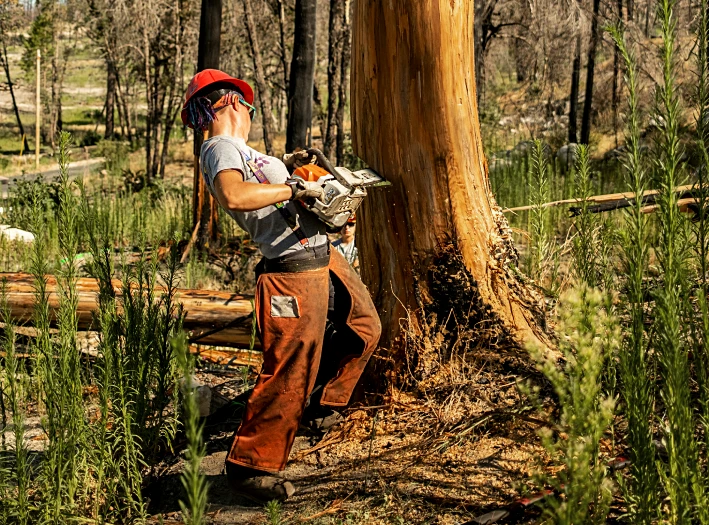
Safety gear limits injury costs that can far exceed the price of the chainsaw itself. Users should wear chainsaw chaps, steel-toed boots, gloves, and a helmet with a face shield. Regular inspection of safety features such as chain brakes and throttle locks prevents mechanical issues before they grow expensive.
Basic maintenance adds months or years to a saw’s life. Cleaning air filters, checking spark plugs, and using the correct fuel mix improve engine function. Storing the saw dry and empty of fuel reduces corrosion and avoids carburetor clogs.
The global chainsaw market shows that long-term users save more through simple prevention steps rather than frequent repairs or replacements. Small habits like regular oil checks and careful storage lower both maintenance time and overall expense.