Streetwear has moved from a niche fashion movement into everyday kids’ wardrobes, influencing everything from school outfits to weekend playwear.
Today’s youth fashion blends comfort, self-expression, brand culture, and practical pieces that can keep up with active routines. For parents, understanding streetwear kids’ style is less about chasing every trend and more about helping children dress with confidence, personality, and ease.
Why is streetwear influencing kids’ wardrobes?
Streetwear is influencing kids’ wardrobes because it matches the way children actually live: they need clothes that feel comfortable, move well, and still look expressive. Hoodies, relaxed pants, graphic tees, sneakers, overshirts, and matching sets all give kids room to play while letting them show a sense of identity. That balance is why kids’ streetwear has become such a natural fit for families.
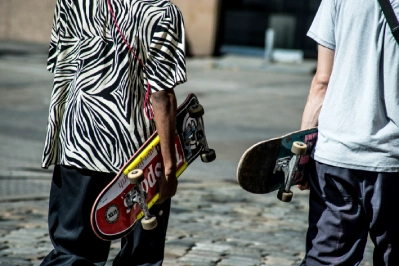
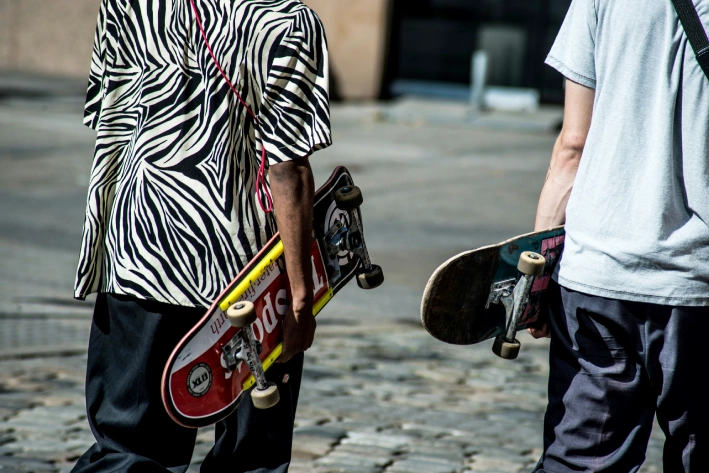
The style also connects with the culture children see around them. Music, sports, gaming, skateboarding, social media, and sneaker culture all feed into what kids notice and want to wear. Even younger children pick up on colors, logos, patterns, and silhouettes long before they understand the trend cycle.
Parents are part of the shift, too. Many adults who grew up with streetwear now see it as a normal, versatile style rather than something reserved for teens or fashion insiders. A clean hoodie, wide-leg cargo pants, or mini sneaker can feel playful for a child while still looking put-together enough for a casual family outing.
Comfort is the foundation of the look
The biggest reason streetwear works for children is simple: it starts with comfort. Kids are not interested in stiff waistbands, scratchy fabrics, or outfits that only look good while standing still. Streetwear leans into soft cotton, fleece, jersey, denim with room, and shoes made for movement.
A good kids streetwear outfit usually has some looseness without looking sloppy. A slightly oversized sweatshirt with joggers, a boxy tee with carpenter pants, or a roomy bomber over leggings can all create shape while keeping the outfit easy. The goal is not to copy adult styling exactly, but to translate the relaxed energy into child-friendly proportions.
For toddlers and younger kids, this comfort-first approach matters most. Sneakers such as toddler Sambas show how iconic footwear styles often get adapted into smaller, more practical versions that still carry the streetwear feel. When the pieces are easy to put on, simple to wash, and flexible enough for the playground, they become more than a fashion statement.
The key elements of streetwear kids style
Streetwear kids style is built from recognizable pieces, but the strongest outfits come from mixing them in a way that feels age-appropriate and functional. Instead of buying every trendy item, parents can focus on a few flexible categories.
Useful building blocks include:
- Graphic tees: These bring personality through artwork, slogans, characters, or bold color.
- Hoodies and sweatshirts: They anchor the outfit and work across seasons with layering.
- Relaxed bottoms: Joggers, cargo pants, loose denim, parachute pants, and track pants create the streetwear silhouette.
- Sneakers: Footwear often sets the tone, whether the look is sporty, retro, minimal, or bold.
- Outerwear: Varsity jackets, puffers, denim jackets, coach jackets, and overshirts add structure.
- Accessories: Beanies, caps, crossbody bags, socks, and simple backpacks can add style without making the outfit feel overdone.
The best combinations usually include one standout piece and a few quieter basics. A bright jacket can pair with neutral sweats. Patterned pants can work with a plain tee. A graphic hoodie can shine when the sneakers and bottoms stay simple.
Self-expression is becoming the main trend
Modern youth fashion is less about one perfect look and more about giving kids options. Streetwear supports that because it is flexible by nature. A child who loves bold colors can wear neon accents and graphic prints, while another who prefers a cleaner look can lean into black, grey, cream, navy, and classic sneakers.
This matters because clothing is one of the first ways children experiment with taste. Letting a child choose between two hoodies or pick the socks that finish an outfit can make getting dressed feel more positive. It also teaches decision-making without turning the morning routine into a battle.
Self-expression does not mean every choice has to be loud. Some kids express themselves through oversized layers, others through matching sets, and others through small details like a cap or shoe color. The strength of kids’ streetwear is that it gives all of those personalities room.
How can parents keep kids’ streetwear practical?
Parents can keep kids’ streetwear practical by focusing on durability, fit, washable fabrics, and pieces that work in multiple outfits. A cool item is only useful if a child can run, sit, climb, spill, and grow in it. The smartest approach is to build a small rotation of mix-and-match items rather than a closet full of one-outfit trends.
A practical streetwear checklist can help:
- Choose soft, breathable fabrics for everyday wear.
- Look for waistbands, cuffs, and closures kids can manage independently.
- Buy statement pieces in moderation so they do not overwhelm the wardrobe.
- Keep school dress codes and weather in mind before choosing silhouettes.
- Use darker colors or durable fabrics for high-activity days.
- Balance oversized tops with slimmer or more structured bottoms, and vice versa.
- Prioritize shoes that support movement, not just the look.
This approach keeps style fun without creating unnecessary stress. It also helps parents avoid buying pieces that photograph well but rarely get worn.
Streetwear is changing how kids dress for different occasions
One of the most interesting parts of How Streetwear Is Shaping Kids’ Style is how it blurs the line between casual, sporty, and polished dressing. A coordinated sweat set can look intentional for travel. A clean sneaker with relaxed trousers can work for a birthday party. A graphic tee under a structured jacket can feel playful but still neat.
This shift reflects a broader change in family lifestyles. Many children move between school, after-school activities, errands, playdates, and casual gatherings in the same day. Clothing that can adapt to those moments is more useful than outfits that only fit one setting.
Layering is a big part of that flexibility. A tee, hoodie, and jacket can be adjusted as temperatures change. Sneakers can make a dress or skirt feel more everyday. A button-up overshirt can make joggers look more styled without sacrificing comfort.
The influence of sneakers and mini-me fashion
Sneakers are central to kids’ streetwear because they carry both function and cultural meaning. They are practical for movement, but they also introduce children to color blocking, retro shapes, sporty design, and recognizable style cues. For many outfits, the sneaker is the piece that makes the look feel complete.
Mini-me fashion has also contributed to the popularity of streetwear for children. Parents often enjoy dressing kids in smaller versions of the styles they wear themselves, from classic trainers to hoodies and varsity jackets. The key is to keep the outfit childlike rather than making it feel too mature.
A mini streetwear look works best when comfort and playfulness stay visible. Bright socks, soft sets, fun graphics, and easy layers keep the outfit age-appropriate. The goal is inspiration, not imitation.
Sustainable thinking matters in trend-led wardrobes
Because youth fashion changes quickly, it is worth thinking carefully before buying into every new style. Kids grow fast, and trend-heavy wardrobes can become wasteful if pieces are too specific or poorly made. Streetwear can still be thoughtful when parents choose versatile basics, durable fabrics, and items that can be handed down or resold.
A good rule is to invest more attention in the pieces that get the most wear: sneakers, outerwear, hoodies, and everyday pants. Trendier items, such as bold prints or unusual colors, can be added in smaller doses. This keeps the wardrobe current without making it disposable.
Parents can also involve children in caring for their clothes. Teaching them to put sneakers away, fold hoodies, or notice when something still fits builds respect for the items they enjoy wearing.
The takeaway for modern kids’ style
Streetwear has reshaped children’s fashion because it understands what kids need: movement, comfort, personality, and versatility. It gives families a way to build outfits that feel current without being overly formal or impractical.
The best streetwear kids style is not about copying every trend. It is about choosing pieces that suit the child, support daily life, and leave room for creativity. When kids feel good in what they wear, style becomes less about rules and more about confidence.
written by Alexa Wang