

Key Takeaways
- Routine upkeep is crucial for system efficiency and longevity.
- Simple habits, such as changing filters and tidying up, affect operational reliability.
- Attention to insulation and thermostat use saves energy and keeps home climates stable.
Maintaining a comfortable home environment depends heavily on the health and efficiency of your HVAC system. Even with modern systems, small issues can escalate into bigger problems if left unaddressed. Consistent attention and a few straightforward practices can ensure your heating and cooling systems keep working as they should, no matter the season. If you need professional guidance or repair, AC repair Winston Salem offers expert support to keep your system reliable.
Most homeowners can take several steps themselves to increase efficiency, reduce energy use, and prolong the life of their unit. By being proactive, you can often avoid unexpected breakdowns. Annual check-ups and simple habits also improve air quality, benefiting your health and reducing monthly costs.
Change Air Filters Regularly
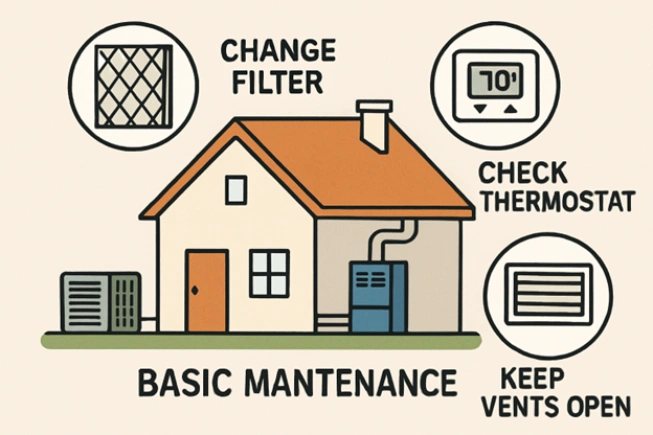
One of the most basic yet impactful actions you can take is regularly changing your HVAC air filters. When dust and debris build up, airflow is restricted. This forces the system to work harder, reducing its efficiency and potentially shortening its lifespan. Most manufacturers recommend checking filters monthly and replacing them every 1 to 3 months, more frequently if you have pets, allergies, or live in a dusty area. Clean filters not only improve your indoor air quality but also help prevent expensive repairs by keeping dirt out of sensitive components.
Keep the Outdoor Unit Clean
The outdoor condenser unit is exposed to the elements and often becomes surrounded by leaves, dirt, and grass clippings. When airflow to the coil is blocked, cooling efficiency drops and the risk of overheating increases. To prevent this, keep at least 2 feet of clearance around the unit and regularly clear away accumulated debris. Once each season, gently wash the unit with a garden hose and use a soft brush for stubborn spots. Avoid using harsh cleaners or pressure washers, as these can damage the sensitive fins and coils. This attention to detail helps your system run more smoothly and prevents unnecessary damage.
Schedule Professional Inspections
While many maintenance tasks can be performed by homeowners, an annual inspection from a certified technician is crucial. Trained experts can identify early signs of trouble, such as worn belts, dirty burners, or electrical issues. These inspections typically cover the blower motor, thermostat calibration, safety controls, and refrigerant levels. Addressing problcreems early reduces the chance of major breakdowns and tends to be less expensive than emergency repairs. Routine check-ups provide extra peace of mind before summer heat waves or cold winter nights.
Seal and Insulate Ductwork
Up to 30 percent of energy used for heating or cooling can be lost due to leaky ducts, according to the U.S. Environmental Protection Agency. Inspect your home’s duct system for visible gaps, holes, or poorly joined sections. Sealing leaks with insulation or professional-grade foil tape (not duct tape) prevents conditioned air from escaping, helping reduce energy bills and maintaining consistent temperature control throughout the home. Also, ensure ducts in unconditioned spaces (such as attics or crawl spaces) are wrapped in proper insulation.
Use a Programmable Thermostat
A programmable thermostat helps you automatically adjust temperature settings based on your daily routines or the season. By setting the temperature higher during hot days when no one is home (or cooler in winter), you reduce unnecessary demand on your HVAC system. Automating these setbacks can lead to significant savings without sacrificing comfort. Smart thermostats also allow for remote adjustments, giving you control wherever you are. Over time, this reduces unnecessary wear and lowers utility bills.
Keep Vents and Registers Unblocked
Make sure that furniture, drapes, toys, or rugs are not covering supply or return vents. Blocked airways can disrupt circulation, making your system work inefficiently and often resulting in uneven heating or cooling. Walk through your home each season and clear any obstructions from vents and registers to maintain proper airflow, which supports balanced temperatures and consistent air quality.
Manage Indoor Humidity
Excess moisture in your home can cause your HVAC system to work much harder in maintaining a comfortable temperature. Dehumidifiers help during muggy months, particularly in homes prone to dampness. Conversely, when indoor air becomes too dry in winter, a humidifier can maintain healthy humidity levels. Proper humidity control protects HVAC equipment from strain and helps prevent problems such as mold or static electricity, improving overall comfort.
Insulate Your Home Properly
Effective insulation is a vital element for energy efficiency. Check your attic, exterior walls, and basement for areas where heat transfer could occur. Add weatherstripping to windows and doors, and seal gaps or cracks in your home’s envelope. When your house is properly insulated, your HVAC system will not have to compensate for temperature fluctuations, and you will notice better temperature retention, especially in extreme weather. This upgrade can have a measurable impact on your energy costs and home comfort.
Final Thoughts
Taking proactive steps to maintain your HVAC system is an easy way to increase energy efficiency, extend its lifespan, and keep your living space healthy and comfortable year-round. Change filters regularly, keep the outdoor unit clear, schedule annual professional checks, and ensure that airflow and insulation stay optimal. Integrating these habits into your routine will provide consistent benefits and help head off costly or inconvenient breakdowns down the road.