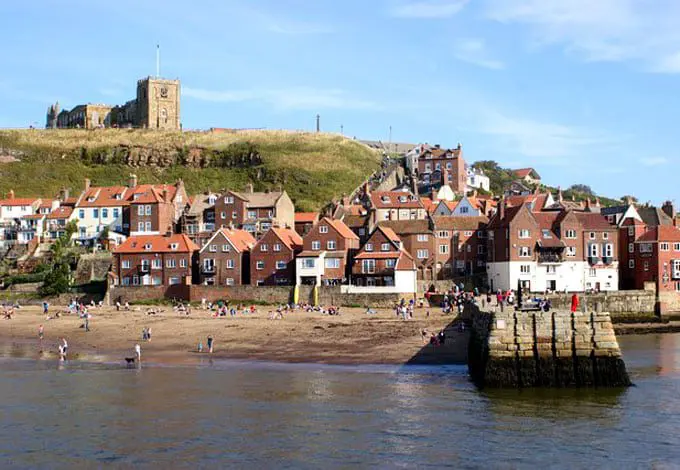
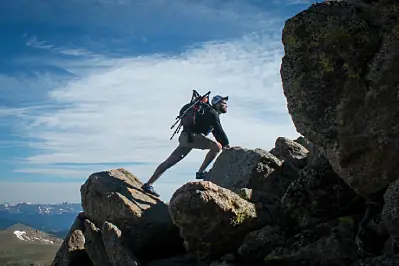
In recent years, solo travel has surged in popularity. Many travellers are seeking time for reflection, self-discovery, and genuine connections. According to a recent survey, 34% of travellers say they plan to take a solo holiday, or a ‘me-moon’, with the aim of focusing on themselves.
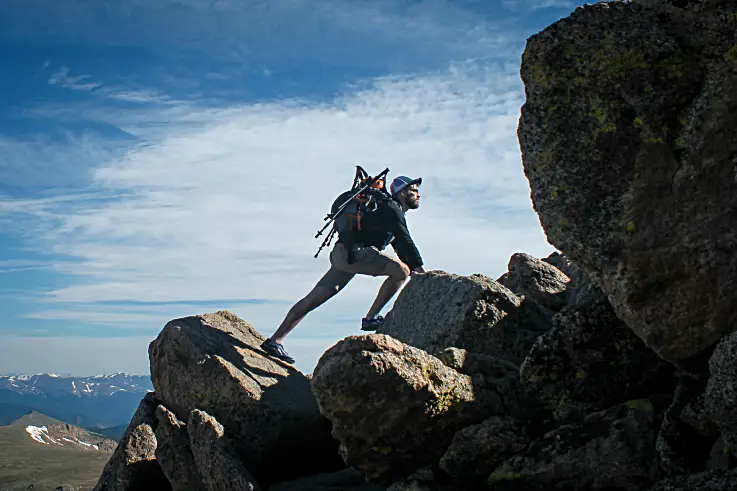
Packing efficiently becomes a challenge, especially when you’re hopping between destinations, carrying your kit on your back, or trekking through unfamiliar terrain. Below, we’ve collated the best tips to create a simple guide on how to pack smartly and confidently.
Less Is More
To pack smart, adopt a constraint mindset and limit yourself to what truly matters. Resist the impulse to overprepare. Building a minimalist capsule wardrobe, made up of versatile, neutral-coloured items that can layer well, is essential. Due to the limited amount of space, each item must earn its place in your bag.
While it can be tempting, avoid packing for every eventuality. If your trip is longer, take a couple of hours halfway through the trip to do some laundry, or replace broken/ruined items with local options. Aim to carry, at most, a week’s worth of clothes and plan to refresh via washes.
Multipurpose Gear
Every item you pack has to justify its place in your bag. Multipurpose gear is perfect. For example, pack a jacket that can double up as a rain shell, or t-shirts that are suitable for both hiking and casual wear. Travel trends throughout 2025 suggest that travellers are after gear that’s suitable for both active and relaxed settings, hence the need for dual-purpose clothing.
When considering footwear, you’ll want something sturdy and versatile like a pair of men’s walking boots. A single sturdy pair of shoes can be worn for whatever the occasion, whether it’s hiking or simply exploring the local city.
Core Items You’ll Need
Here is a simple checklist of items you should consider packing for your solo trip or trekking adventure:
- A pair of durable, comfortable shoes
- One or two base layers (think merino wool or lightweight synthetics)
- Quick-dry trousers or shorts
- A shell coat or waterproof jacket
- A hat (to provide sunshade)
- Underwear and socks (minimal amounts, rotate and wash)
- A lightweight mid-layer (fleece or compactible jacket/jumper)
The idea is to bring what you need, and nothing else. If it doesn’t serve at least two purposes, it probably doesn’t belong in the pack. Don’t forget all the necessary travel documents and essential gear like a small first-aid kit, chargers, and toiletries.
Packing Techniques
How you pack is as important as what you pack. There are many different techniques you can use to save space and weight. For example, you could invest in some packing cubes that compress your gear, or roll your clothes instead of folding them to minimise creases and maximise space. Compression sacks are great for bulky items like jackets.
No matter what or how you pack, be sure to leave some ‘wiggle room’ in your bag for small souvenirs or unexpected finds.