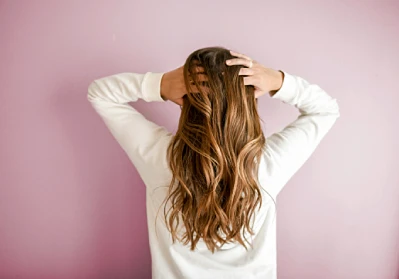
The desire for variety in hairstyles often conflicts directly with maintaining healthy hair. Heat styling damages the hair shaft. Chemical treatments weaken structure. Constant coloring strips moisture and causes breakage. Tight styling pulls at roots. Each transformation takes a toll, and the damage accumulates faster than hair grows. After years of styling experimentation, many people find themselves with hair that’s brittle, thin, or broken – the exact opposite of what they wanted when they started trying different looks. The question becomes whether it’s possible to have both versatility and healthy hair, or if these goals are fundamentally at odds.
The traditional approach has been accepting damage as the price of style variety. Want different colors regularly? Accept the bleach damage. Want smooth straight hair one week and curls the next? Live with heat damage. Want dramatic length changes? Deal with the years of growing out bad cuts. But this trade-off isn’t as necessary as it once seemed. Approaches exist now that provide substantial styling flexibility while keeping natural hair protected and healthy.
Understanding Cumulative Hair Damage
Hair damage doesn’t reset. Unlike skin that regenerates, hair is dead protein that can’t repair itself. Once damaged, the only fix is cutting it off and waiting for new growth. This means every heat styling session, every color treatment, every chemical process adds to damage that persists until those sections are removed.
The cumulative nature is what catches people off guard. One bleaching session might seem fine. Monthly heat styling looks manageable. But five years of regular treatments creates hair that barely resembles its natural healthy state. Ends split and break. The shaft becomes porous and dry. Elasticity disappears, making hair prone to snapping. Color won’t hold properly on damaged hair. Styling becomes harder because damaged hair doesn’t cooperate.
This progression happens gradually enough that people don’t always notice until the damage is severe. Hair that was thick and healthy at twenty becomes thin and fragile at thirty after a decade of regular styling. Reversing this requires stopping all damaging practices and waiting years for damaged hair to grow out and be cut away – a commitment most people struggle to maintain.
Heat Damage From Daily Styling
Flat irons, curling irons, and blow dryers apply temperatures that literally cook hair protein. At 350-450 degrees, these tools alter the hair structure permanently with each use. Daily heat styling means daily damage accumulation. Even with heat protectant sprays (which help but don’t eliminate damage), regular high-heat styling degrades hair quality over time.
The problem is that many desired styles require heat. Straight hair for those with natural curl. Curls for those with straight hair. Volume and smoothness that air-drying doesn’t provide. Achieving these looks without heat is difficult or impossible for many hair types, creating pressure to choose between the desired appearance and hair health.
Reducing heat exposure helps, but limiting styling to once or twice weekly still accumulates damage over months and years. Lower heat settings reduce damage per session but still cause cumulative harm. The only way to completely avoid heat damage is avoiding heat tools entirely – which eliminates many popular styling options.
Chemical Treatment Consequences
Hair coloring, highlighting, perms, relaxers, and keratin treatments all use chemicals that alter hair structure. These processes are inherently damaging by design – they must break down hair bonds to create the desired changes. Even “gentle” or “bond-building” formulations cause some damage, just less than older methods.
Bleaching ranks among the most damaging processes, especially when going significantly lighter. It strips natural pigment and leaves hair porous and weak. Multiple bleaching sessions to achieve very light colors or correct previous color create severe damage. Hair that’s been repeatedly bleached often needs intensive conditioning treatments just to remain manageable, and even then it may never regain its original strength.
Permanent color isn’t as harsh as bleach but still damages hair, especially with frequent application. Semi-permanent color causes less harm but provides less dramatic or lasting changes. The trade-offs leave people choosing between the color they want and the hair health they also want.
Chemical straightening or perming similarly alters hair structure permanently. The treated hair remains in its altered state (straight or curly) until it grows out or is cut off. These processes can achieve dramatic transformations but at the cost of weakened hair that’s more prone to breakage and dryness.
Alternative Approaches to Style Variety
The key to maintaining both healthy hair and style options is separating the two. Instead of constantly altering natural hair to achieve different looks, alternatives exist that provide variety without touching the hair underneath. This requires a shift in thinking from “changing my hair” to “changing my appearance” – a subtle distinction that opens up different solutions.
Protective styling represents one approach. Braids, twists, and updos that don’t require heat or chemicals can create variety while giving hair a break from daily manipulation. This works well for texture and updos but doesn’t address length changes or dramatic color/texture transformations.
For more substantial transformations, products that sit over natural hair provide the most protection. Options including human hair wigs allow complete appearance changes – different lengths, colors, textures, and styles – while natural hair underneath remains untouched and protected. This approach maximizes both versatility and hair health since natural hair can stay in protective styles beneath while the visible hair changes freely.
Clip-in extensions and hairpieces offer middle ground, adding length or volume temporarily without permanent changes. These require some daily hair prep but much less than full heat styling, and they can be removed completely on days when natural hair needs rest.
Building a Protective Hair Care Routine
When natural hair stays protected rather than constantly styled, the care routine can focus on health rather than damage control. Gentle cleansing that doesn’t strip oils. Deep conditioning that maintains moisture. Minimal manipulation that prevents mechanical damage. Protective overnight styling that reduces friction and breakage.
This health-focused care is harder to maintain when hair undergoes regular heat styling and chemical treatments. Those processes require more intensive care products and more frequent treatments just to keep hair from becoming completely unmanageable. Removing the damage sources simplifies hair care while improving results.
Natural hair that’s consistently protected rather than styled grows longer and stronger. The difference becomes visible over months as new growth shows improved thickness and resilience compared to older, damaged sections. Eventually, damaged ends can be trimmed away, leaving only healthy hair that’s been protected throughout its growth.
Build a Strong Foundation with the Right Hair Care Products
Maintaining the health of your natural hair starts with using the right cleansing and conditioning products. Investing in a Kérastase Professional Shampoo can make a remarkable difference in keeping your hair strong and hydrated while allowing you to explore different styles. Formulated with advanced ingredients that target dryness and breakage, it gently cleanses without stripping natural oils—perfect for natural textures that need moisture balance. Whether you’re wearing your hair in twists, a sleek bun, or protective braids, a nourishing shampoo like this helps create a healthy foundation for any look.
The Mental Shift Required
Moving from styling natural hair to using alternatives for variety requires adjusting how we think about hair and appearance. There’s sometimes hesitation about using wigs or extensions, feelings that they’re not “real” or represent some kind of failure or deception.
But this perspective doesn’t hold up under examination. Makeup isn’t deceptive, it’s enhancement. Clothing creates appearance beyond our natural bodies. Hair color and cuts already alter natural appearance – the question is just whether to alter natural hair itself or use alternatives that protect it. When framed as smart resource management rather than fakery, the stigma fades.
The practical benefits become clear quickly. Waking up to difficult hair no longer ruins plans – alternative styling is ready. Bad haircuts don’t create months of waiting and frustration. Experimenting with dramatic changes doesn’t risk disaster since nothing is permanent. The freedom this provides often outweighs any initial discomfort with the approach.
Long-Term Hair Health Benefits
The most compelling argument for protecting natural hair while using alternatives for variety shows up over time. Hair that’s never bleached maintains its strength. Hair that’s not regularly heat-styled retains moisture and elasticity. Hair that’s not constantly manipulated grows to its full genetic potential without breakage cutting length short.
After a year or two of protective practices, many people report having the healthiest, longest, strongest hair they’ve had since childhood. This healthy foundation paradoxically provides better styling options than damaged hair ever did – it holds styles better, looks better in natural states, and provides a healthy base when styling is occasionally desired.
The choice becomes clear when long-term results are considered. Continuing damaging practices maintains variety in the short term but gradually reduces hair health and actually limits future options as damage worsens. Protecting natural hair while using alternatives maintains health that provides more options long-term.
Finding the Right Balance
Not everyone needs to completely stop styling natural hair. The point is understanding the trade-offs and making intentional choices rather than defaulting to damaging practices without considering alternatives. Some occasions might warrant heat styling natural hair, but making that the exception rather than daily practice reduces cumulative damage significantly.
The goal is having both – healthy natural hair that could be styled when desired, plus the versatility that alternatives provide without any damage at all. This combination offers more flexibility than either approach alone while maintaining the hair health that supports long-term options and confidence.