Britain’s idea of a “stay” has shifted in recent years. Hotels and cottages are still part of the mix, but more travellers are now choosing places that shape their experience of the destination itself.
For instance, a cabin in the Highlands changes your sense of distance, while a lighthouse on the Cornish coast reframes how you relate to the shoreline.
This guide looks at five distinct stays indepacross the UK, focusing on how each one works in practice and what surrounds it on the ground.
Luxury Glamping and Nature Immersions in Northumberland
Northumberland sits between a wide, open coastline and the quieter terrain of its national park, which naturally shapes how you move through it. Most glamping sites are positioned between the two, so days tend to fall into two clear routes. One heads east toward Bamburgh, Seahouses, and the Farne Islands. The other pushes inland toward Rothbury and the Cheviot Hills.
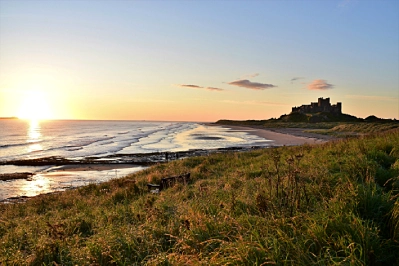
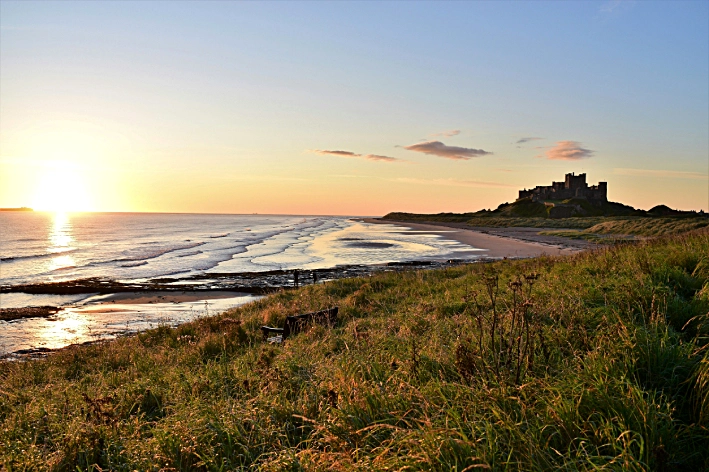
Near Bamburgh, the wide beach runs parallel to the castle, and walking from the village towards Budle Bay shows just how open this stretch of coast really is. From Seahouses Harbour, boats head out to the Farne Islands, where landing points vary depending on conditions. Inland, the route through Rothbury follows the River Coquet, with paths leading up towards Simonside for higher views across the valley.
Northumberland is a popular choice for those looking to plan a luxury glamping in the UK, largely because of how these stays are positioned across the region. Many are set just outside small villages, with direct access to nearby walking routes. A car makes things easier, especially when moving between the coast and the national park in a single day. Once you’re settled, though, the shift is immediate: you step outside, and you’re already in the landscape.
Sophisticated Boutique Hotel Sanctuaries in Central London
Central London’s boutique hotels tend to cluster in areas where walking still works despite the scale of the city. Covent Garden, Fitzrovia, and Marylebone are among the most practical bases, each with a different layout.
Covent Garden sits between the Strand and Shaftesbury Avenue, with streets like Neal Street and Floral Street linking small squares and market spaces. From here, it’s an easy walk toward the Thames via Somerset House or across Waterloo Bridge. Fitzrovia, just north, feels more grid-like. Charlotte Street runs through its center, connecting toward Oxford Street while still keeping a quieter feel than the main shopping areas.
Marylebone High Street and Chiltern Street are where most people spend their time, and Regent’s Park sits just a few minutes’ walk to the north. Moving between these neighbourhoods is easy on foot or via short Underground hops between Tottenham Court Road, Oxford Circus, and Bond Street. Staying in a boutique hotel in this area means spending less time navigating and more time exploring.
Modern Architectural Cabin Retreats in the Scottish Highlands
Cabins in the Highlands aren’t all in remote, hard-to-reach areas. Many sit just off established routes, which makes a real difference when planning trips here. Around Glencoe, cabins are often positioned near the A82, the main road connecting Fort William to the southern Highlands. From here, it’s easy to reach Glencoe village, the Three Sisters viewpoint, and the paths leading into Glen Etive.
Further north, around Aviemore and the Cairngorms, most cabins sit closer to forested areas, with some set in open glens. Rothiemurchus Estate is a good example, with paths running through woodland before opening out towards Loch an Eilein. The shift in terrain changes how people spend their time, with walks feeling more contained and distances between stops shorter.
Driving is part of the experience here. Roads like the A9 and A86 connect key areas, but smaller single-track roads often lead directly to the cabins. The focus then shifts to what’s close at hand instead of covering long distances.
Reimagined Coastal Lighthouse Stays on the Cornish Riviera
The Cornish coastline moves between sheltered coves, working harbors, and open headlands, giving it a varied and easy-to-navigate layout. The stretch often referred to as the Cornish Riviera runs along the south coast, including areas like Fowey, Charlestown, and Mevagissey. Lighthouse stays are usually set just outside these towns, often along headlands or near quieter coves.
Around Fowey, the estuary shapes how people move. Ferries cross between Fowey and Polruan, and the Hall Walk follows the river inland before looping back toward the coast. Charlestown sits further west, with its historic harbor forming a central point. From here, coastal paths lead toward Carlyon Bay or east toward Porthpean.
Meanwhile, Mevagissey feels more compact, with narrow streets leading down to the harbor. Walking is the easiest way to get around, as parking is on the edge of town, so most people leave the car and continue on foot.
Lighthouse stays are set slightly outside these hubs. That distance is part of the appeal, but it does mean planning short drives or walks into nearby towns. Coastal paths link many of these points, though sections can be uneven and exposed depending on the weather.
Traditional Thatched Cottage Escapes in the Cotswolds
The Cotswolds is made up of small villages spread across rolling countryside, which naturally shapes how you move through it. Thatched cottages can be found across places like Broadway, Snowshill, and Bibury. They place you directly within the village itself, often within walking distance of local pubs, footpaths, and small shops.
Broadway runs along a single main street, with shops and galleries lining both sides. From here, a walk up to Broadway Tower gives a wider view across the surrounding countryside. Snowshill sits a short drive away, with its manor house and garden set slightly above the village. Bibury is more compact, centered around Arlington Row and the River Coln. The path along the river connects the main cluster of cottages to open fields beyond.
Driving between villages is easy, but roads can be narrow and busy during peak periods. Staying in a thatched cottage keeps you within walking distance of one village at a time, which makes it easier to settle into a smaller area rather than constantly moving between locations.
Which Unique British Stay Suits You?
Where you stay in Britain doesn’t just affect comfort; it changes how you experience the place. Northumberland’s glamping sites sit between coast and park, making it easy to move between the two.
Central London’s boutique hotels reduce travel time, keeping most landmarks within walking distance. Highland cabins are shaped around driving routes and what sits just off them. Cornwall’s lighthouse stays are located just outside the main towns, with coastal paths connecting much of the coastline. The Cotswolds keep things more contained, with thatched cottages anchoring you to one village at a time.
In most cases, the place you stay shapes how the trip unfolds.
words Al Woods