America has been through the wringer health-wise. From chronic disease rates climbing to sedentary habits becoming the norm, it’s easy to assume the country’s vitality is slipping. But the quiet surprise? Seniors are leading the charge back to wellness. While the headlines often focus on youth-driven fitness trends, it’s older Americans who are rewriting the rules on what it means to live strong, long, and well.
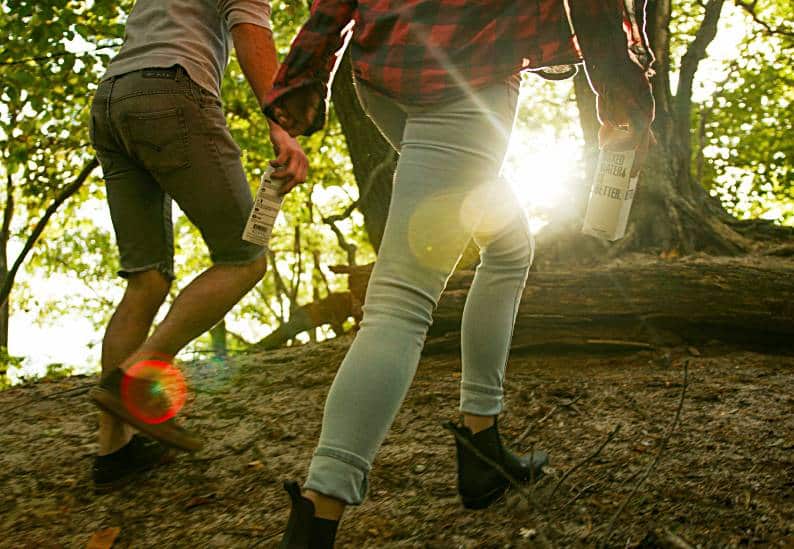
Many are doing it not through fad diets or overpriced workout apps, but through consistent, practical effort. They’re showing that making America healthy again doesn’t start with national policy or celebrity endorsements. It starts in local parks, community gyms, and backyards, places where older adults are walking, swimming, cycling, and taking their wellness into their own hands.
Navigating the System Without Losing Steam
Let’s be honest. The health system can be a labyrinth even for younger people, and for older adults, it can feel like a full-time job. This is where Medicare consultants like the ones at Scottsdale based Senior Advisors and companies like them are your lifeline here. They help older adults cut through insurance red tape to actually get the preventive care, screenings, and fitness programs that keep them thriving.
What’s changing is the perspective. Health care used to be reactive for seniors—something you dealt with after things went wrong. Now, more Americans over 60 are embracing prevention. They’re using their coverage to access physical therapy, nutrition consultations, and wellness programs before a small problem becomes a big one.
The beauty is that these choices don’t just improve individual lives; they lower the national health burden. Fewer hospitalizations, fewer chronic complications, and more people living independently longer. It’s a subtle revolution happening one Medicare plan and one wellness visit at a time.
Fitness After Sixty Isn’t What It Used To Be
There’s a misconception that once you hit retirement, fitness should slow down. Not true. The gyms that once catered mainly to the under-forty crowd now see plenty of silver sneakers hitting the treadmills and weights. The drive isn’t vanity, it’s mobility, energy, and mental clarity.
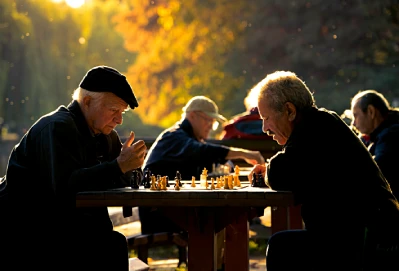
The health benefits of sports for seniors extend far beyond the physical. Whether it’s pickleball, golf, or water aerobics, movement boosts memory, stabilizes mood, and combats isolation. Staying active has turned into an act of social connection as much as physical upkeep. Seniors aren’t just exercising for themselves; they’re building communities centered around shared goals.
This shift in mindset, seeing movement as maintenance rather than punishment, is one reason older adults are outpacing younger generations in consistency. While many in their twenties burn out chasing trends, seniors tend to stick with what works. The result? Better long-term outcomes and fewer injuries.
Nutrition, Simplicity, And Common Sense
While diet culture keeps trying to sell magic fixes, older Americans have become surprisingly immune to it. Many are focusing instead on eating real food: less packaged junk, more home-cooked meals, and fewer late-night snacks that mess with sleep and digestion. They remember when meals weren’t something you tracked with an app but enjoyed at the table.
Across communities, cooking classes for older adults are filling up fast. These classes don’t push rigid diets but instead teach how to cook balanced meals that fuel the body without making eating feel like a chore. This generational wisdom, knowing that moderation beats obsession, is quietly becoming one of the most powerful forces in America’s wellness comeback.
The ripple effect is real. Grandparents influence family habits more than people realize. When they choose to eat well and move more, it normalizes healthy behavior for younger generations. It’s a cultural change in motion, and it’s working from the top down.
Community Health Starts With Connection
Staying healthy isn’t just about muscles and meal plans. It’s also about belonging. Studies show that seniors who stay socially active live longer and report higher quality of life. That means community centers, church groups, and volunteer programs aren’t just social outings, they’re medicine in their own right.
Loneliness can do as much harm as smoking, and this generation knows it. They’re creating their own networks of support, friendship, and accountability. These connections turn health into something collective. When you have people counting on you for a morning walk or lunch date, it’s harder to retreat into inactivity or isolation.
That communal spark is exactly what America needs more of. Because health isn’t just about individuals, it’s about systems of care, both formal and informal. When older adults participate in wellness programs, they strengthen the infrastructure that keeps everyone healthier, from caregivers to families to neighborhoods.
Renewed Strength
If the story of American health has felt discouraging, the comeback chapter belongs to its elders. They’re showing that renewal doesn’t require perfection, only persistence. By prioritizing movement, real food, preventive care, and connection, they’re quietly reshaping what healthy aging looks like, and inspiring others to follow.
It’s easy to underestimate how much influence one generation can have, but the evidence is everywhere. Seniors are proving that wellness isn’t lost: it’s learned, shared, and sustained. In a culture obsessed with youth, they’re the ones reminding us what vitality actually means. And in doing so, they just might make America healthy again.