

Image Credit: Pexels
The sound of a space is just as important as how it looks or smells. Think about it: from the quiet hum of an art gallery to the thumping beat of a nightclub, what we hear really shapes our mood, how we act, and even the memories we make of a place.
But even though sound is super powerful, we often treat the auditory experience as an afterthought when we’re designing our modern environments. When you intentionally craft the sound, it doesn’t just fill silence; it actually builds whole worlds.
The Art of Sonic Branding
Using sound to strengthen a brand’s identity is called sonic branding, and it’s absolutely everywhere. Just picture the simple, catchy chime of a tech company, or that specific kind of music playing the moment you step into your favourite clothing store. These aren’t just random choices. They’re part of a deliberate and effective music strategy designed to make you feel something. The right audio signature helps build a deeper connection with people, making a brand instantly recognisable and influencing how customers feel about it.
For places like hotels, restaurants, and shops, a unique sound identity can be the difference between someone just popping in once and becoming a loyal regular. A fancy boutique, for example, might play a minimalist electronic playlist to feel sophisticated and cool. Meanwhile, a family-friendly restaurant might go for upbeat, well-known pop hits to create a welcoming, fun vibe. It’s a subtle language that tells you about a brand’s personality without anyone saying a word.
Live Music: Beyond the Beat
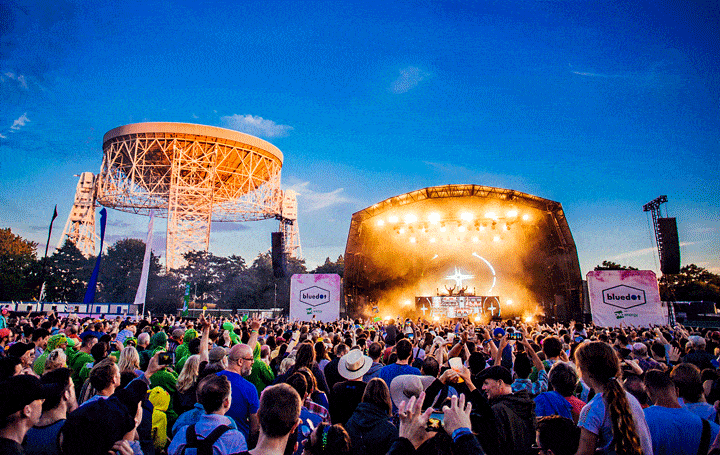
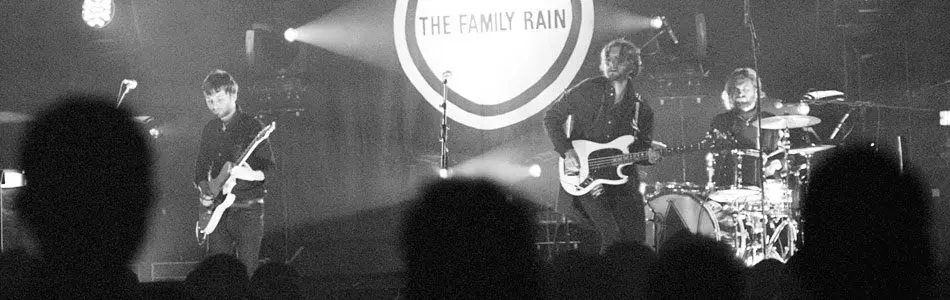
While a carefully chosen playlist creates a consistent mood, live music adds a dynamic, human touch that can completely transform a space. It creates a shared, in-the-moment experience that a recording just can’t quite match. The energy of a live performance can encourage guests to stay longer, engage with their surroundings, and feel more connected to the venue. A cosy wine bar might use acoustic performances to create a warm and intimate atmosphere, while a rooftop bar can make the most of its open-air setting, city views, food and drinks, and live entertainment to create a lively atmosphere where people can relax, socialise, and enjoy the experience.
The trick is to perfectly match the performance to the space and the atmosphere you’re aiming for. It’s not just about filling a room with noise; it’s about delivering an experience that becomes the main attraction. When a venue gets known for its amazing live music, it stops being just a place to eat or drink and becomes a cultural destination.
Designing Acoustic Comfort
Even the most brilliant playlist or the most talented performer can fall flat because of bad acoustics. We’ve all been there: a beautiful, minimalist restaurant with concrete floors and high ceilings where the clatter of cutlery and all the overlapping conversations make it impossible to hear the person right across from you. That’s a clear failure of acoustic design. Creating acoustic comfort means carefully managing how sound moves around a space so it feels pleasant, clear, and works well.
You can achieve this by combining different materials and smart layouts.
- Absorption: Soft stuff like rugs, curtains, comfy upholstered furniture, and even canvas art soak up sound waves, cutting down on echo and harshness.
- Diffusion: Uneven surfaces, think textured walls or bookshelves, scatter sound waves. This stops those flat, reflective echoes and creates a richer, more balanced sound.
- Blocking: Strategically placing partitions or even big potted plants can help break up a large area and create more intimate, quieter spots.
Good acoustic design makes sure music is enjoyable, conversations are easy, and the overall soundscape feels balanced instead of chaotic. This can even boost health and mood.
Curating Social Soundscapes
Crafting the perfect social soundscape is much more than just hitting ‘play’. It needs constant attention and adjustments to fit the time of day, the crowd, and the energy in the room. The music that works for a quiet Tuesday morning is rarely right for a buzzing Friday afternoon. A skilled venue manager or music director acts like a sonic host, tweaking the volume and tempo to match the flow of guests.
The goal is to create an atmosphere where the music adds character but isn’t so loud that it kills conversation. In bigger venues, sound zoning can be incredibly effective. This means creating different audio experiences in different areas – maybe a high-energy playlist near the bar, a more relaxed vibe in a lounge, and softer background music in a dining section. This way, one space can cater to various moods and social needs all at once, making everyone feel more comfortable.
Ultimately, the sound of a space should feel effortless and intentional. The next time you walk into a cafe, a hotel lobby, or a bar, take a moment to really listen. The sounds you hear have been chosen to make you feel a certain way, encouraging you to relax, get energised, or connect.
words Al Woods