

Property owners are increasingly replacing traditional turf with durable stone patios, fire features, and functional outdoor kitchen installations.
You spend countless hours pushing a noisy mower, spreading expensive fertilizer, and fighting stubborn weeds across your yard. That constant cycle demands precious free time while delivering little genuine enjoyment. Swapping fragile grass for handcrafted stone surfaces solves this maintenance dilemma.
You turn underutilized ground into practical extensions of your indoor space. You gain durable outdoor living rooms that welcome family dinners, evening relaxation, and neighborhood gatherings across every season.
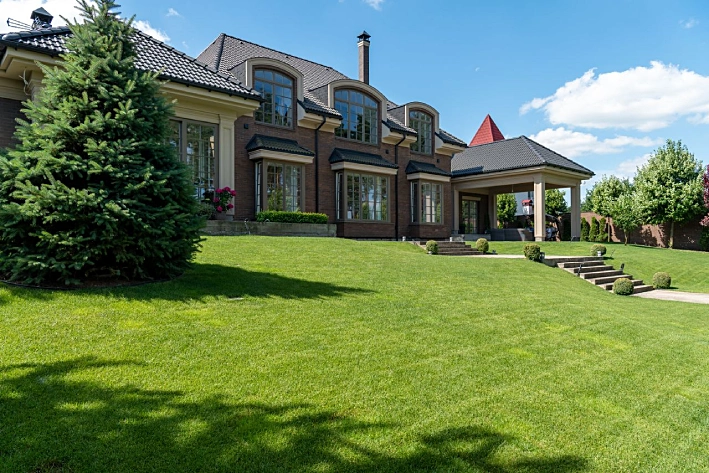
Why Are Property Owners Trading Turf for Hard Surfaces?
Traditional lawns demand continuous financial investment for seeds, sprinkler repairs, and professional chemical sprays. You pour significant labor into keeping turf green, only to watch scorching summers damage your hard work.
According to a Fixr Outdoor Living Trends Report, fifty-eight percent of property owners prioritize low-upkeep masonry surfaces to eliminate routine grass trimming. This shift proves that people want functional gathering zones over high-maintenance greenery.
Custom stone projects provide an immediate boost to your daily quality of life. Solid surfaces create clean zones where children play safely, and guests mingle without muddy shoes tracking dirt inside.
How Do Paver Patios Handle Extreme Weather Shifts?
Natural stone and interlocking concrete units offer remarkable resistance to severe climatic shifts. Unlike poured concrete slabs that crack when temperatures swing wildly, individual pavers shift independently across flexible sand joints.
Permeable pavers deliver substantial moisture management advantages by letting heavy rain filter straight into the sub-base. Published figures from Better Homes & Gardens show that replacing high-demand turf with permeable stone surfaces can lower domestic outdoor water consumption by roughly sixty percent.
Proper jointing sand seals the gaps between stone blocks, locking out wind-blown weed seeds. High-performance polymeric sand hardens under moisture exposure, maintaining joint integrity through heavy summer storms.
What Makes Proper Soil Stabilization So Critical?
Every lasting patio begins beneath the surface with meticulous excavation and soil grading. If an installer skips soil analysis, native clay soils expand upon contact with ground moisture and push stone slabs out of alignment.
Natural earth shifts during winter freeze cycles and summer storms, creating structural settling beneath heavy slabs. Selecting experienced contractors for hardscaping for Maryland homes protects your yard investment by establishing compacted crushed stone sub-bases that resist severe frost heave. This dedicated mechanical compaction keeps every perimeter paver level while directing precipitation away from your home’s foundation.
Heavy-duty geotextile fabric acts as an impenetrable barrier between natural subsoil and crushed gravel bedding. This smart fabric layer prevents base aggregate from sinking while permitting water drainage.
Designing Outdoor Kitchens for Seamless Entertaining
Moving meal preparation outside keeps indoor living spaces cool during sweltering summer afternoons. You no longer isolate yourself inside the kitchen while guests share drinks outside on the patio.
Smart exterior kitchens depend on thoughtful workflow zones that mirror your indoor culinary setup. You organize your cooking area by incorporating functional stations:
- Establish prep zones: Wide granite counters give you plenty of clean space.
- Integrate cold storage: Under-counter refrigerators keep drinks chilled.
- Arrange cooking stations: Built-in grills let you cook meals outdoors.
- Incorporate dry cabinets: Sealed drawers protect serving platters.
Masonry veneers built from natural flagstone tie cooking islands visually into surrounding retaining walls. Running dedicated electrical conduits underground eliminates hazardous extension cords and cumbersome propane tanks.
Why Do Built-In Fire Pits Create Better Gathering Spaces?
Cool autumn evenings often drive families indoors, cutting the outdoor season short. Installing a custom stone fire pit introduces radiant warmth that lets you enjoy crisp night air in total comfort.
You select between traditional wood-burning configurations and modern gas burners depending on your lifestyle preferences. Wood-burning pits produce crackling sounds that evoke wilderness campfires right in your backyard.
Curved stone sitting walls constructed around the fire zone supply abundant permanent seating for larger parties. These masonry benches eliminate the hassle of dragging out flimsy patio chairs that tip over in strong winds.
How Do Retaining Walls Control Yard Slopes and Water Runoff?
Steep yard slopes create frustrating dead zones that prove difficult to mow and impossible to furnish. Heavy storms wash topsoil down these inclines, carving unsightly gullies near your home foundation.
Segmental concrete blocks and heavy natural fieldstone hold back tons of soil pressure while creating broad, level tiers. You convert previously unusable drop-offs into functional spaces for dining patios or elevated stone planter beds.
Effective retaining walls always include hidden drainage channels installed directly behind the masonry face. Contractors backfill the space with clean crushed gravel and lay perforated drain pipes to relieve hydrostatic pressure buildup.
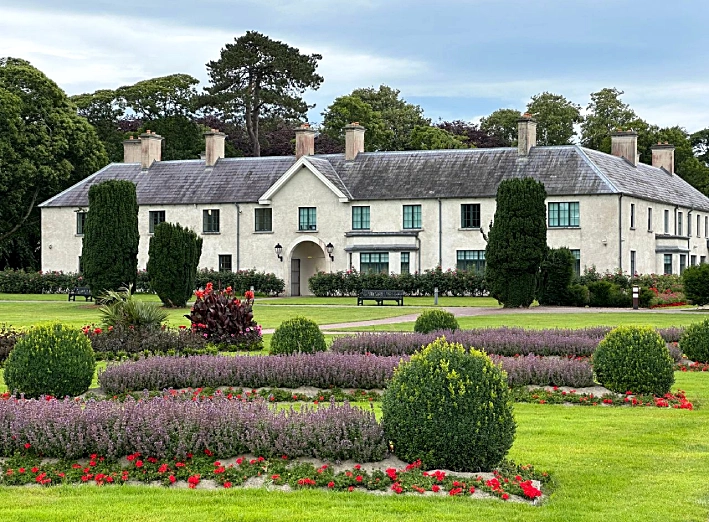
Trading demanding grass for custom stone living zones lets you reclaim your weekends while dramatically expanding your everyday comfort. Solid masonry patios, outdoor cooking suites, and cozy fire features create practical gathering spaces that serve your family through every season.
Investing in professional planning and qualified craftsmanship shields your yard improvements against unpredictable ground shifts and intense storms. You establish a resilient, low-maintenance retreat that delivers genuine peace of mind and elevates your home lifestyle for decades ahead.
written by Al Woods