
Walk the Bowery through its history and the scenery keeps mutating. There are theatres and concert halls, tattoo parlours and dime museums; pleasure gardens and racetracks; cheap rooms, bars, workshops and artists’ studios.
At one point, you might encounter a nineteenth-century crowd gawping at the so-called “Feejee Mermaid”. At another, Jacob Riis moving through the city with a newly invented flash camera, exposing lives that polite New York would rather not see.
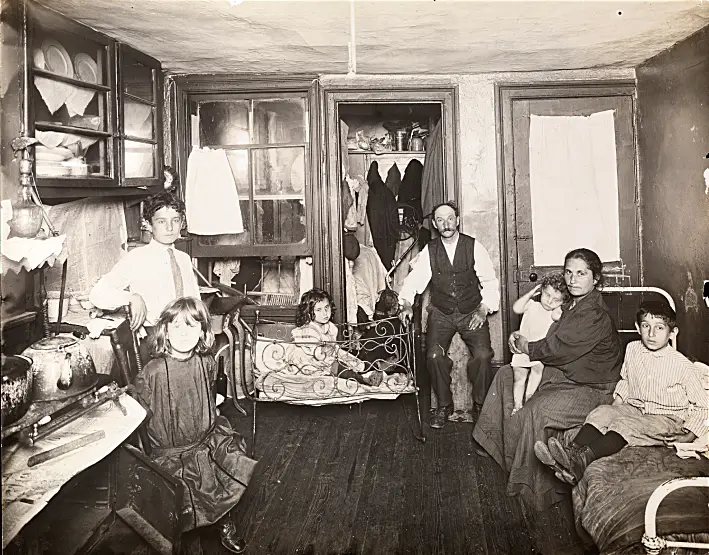
For much of the nineteenth and early twentieth centuries, the Bowery was also synonymous with cheap lodging. Its flophouses and furnished-room hotels offered beds to generations of men living on the margins — transient workers, immigrants, down-and-outs and people with nowhere else to go. By the 1970s, that world had changed, but remnants of it remained in the Bowery’s SRO hotels and cheap rooms, part of the street’s increasingly frayed character.
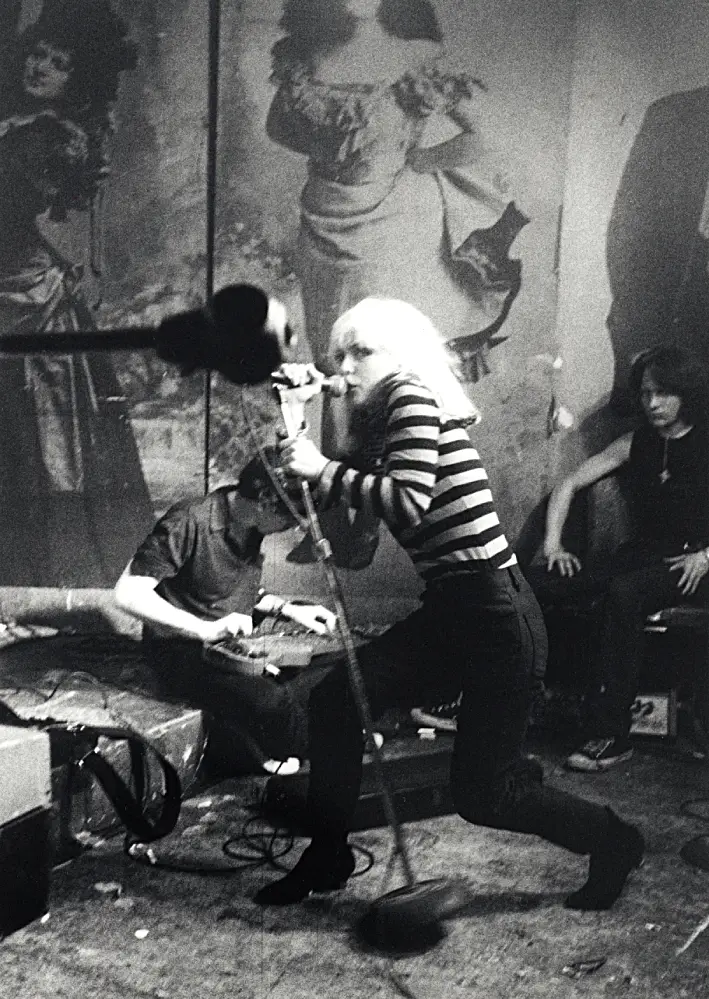
Then come the artists.
Abstract Expressionists, Beats, punks, Pop artists, street artists, photographers and downtown provocateurs all found something here. The Bowery became less a backdrop than a kind of collaborator — rough-edged, permissive, unstable. A place where being strange wasn’t necessarily a disadvantage.
By the 1970s, the Bowery was becoming something else again: a place where a long history of poverty and marginality collided with an extraordinary burst of artistic and musical energy.
This was not yet the Bowery of glossy downtown nostalgia. It was battered, dirty and unpredictable. Buildings were run down, money was scarce and the street could feel genuinely dangerous. Yet that very roughness created a strange kind of freedom. Artists and musicians could operate here without the expectations that came with more respectable neighbourhoods.

At places such as CBGB, the emerging downtown music scene found a home. Blondie were part of that world, as were Television, Patti Smith and the Ramones. The music was urgent, stripped down and confrontational — a soundtrack for a neighbourhood that seemed permanently on the edge.
The Bowery had a flavour all its own: smoke, beer, garbage, neon, old buildings, late-night restaurants and people who seemed to exist outside the city’s official version of itself. The respectable and disreputable were never far apart. You could pass a man who had spent decades on the street and, a few doors later, encounter a young artist or musician inventing an entirely new way of being.
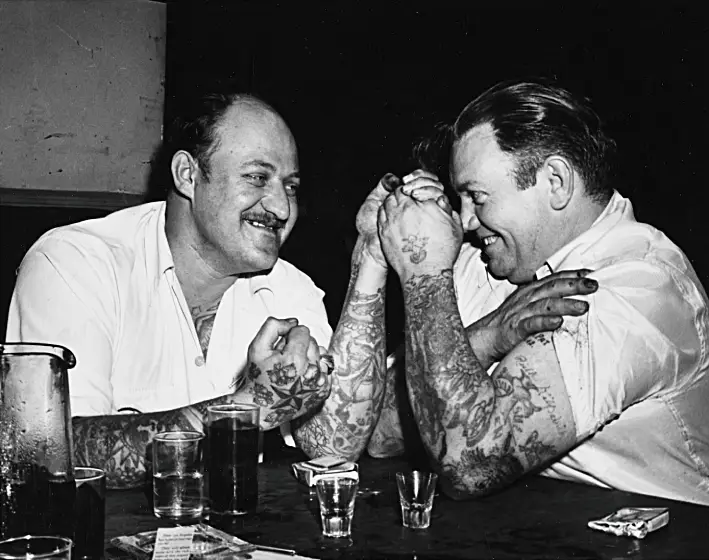
That was the wildness of the place.
It wasn’t wild because everything was glamorous or romantic. Much of it was hard, precarious and bleak. It was wild because the usual boundaries seemed unusually porous. Outsiders could meet outsiders. People who had fallen through the cracks could exist alongside people deliberately stepping outside them.
For artists, that proximity was intoxicating.
The Bowery didn’t simply provide a setting for the downtown scene. It gave it a temperament — abrasive, improvised, funny, desperate, seductive and alive. It was a place on edge, and for a generation of artists and musicians, that edge was precisely the point.
The Bowery: Devil’s Mile Opens September 24, 2026 at the New Museum, New York
words Alexa Wang