

Losing a few strands of hair daily is normal. But waking up one day to find patches of hair gone — and then watching those patches spread until the entire scalp is bare — is a different experience altogether.
That’s what happens with alopecia totalis, a condition that sits between common patchy hair loss and complete body hair loss, and one that most people know very little about until it happens to them or someone they love.
What Exactly Is Alopecia Totalis?
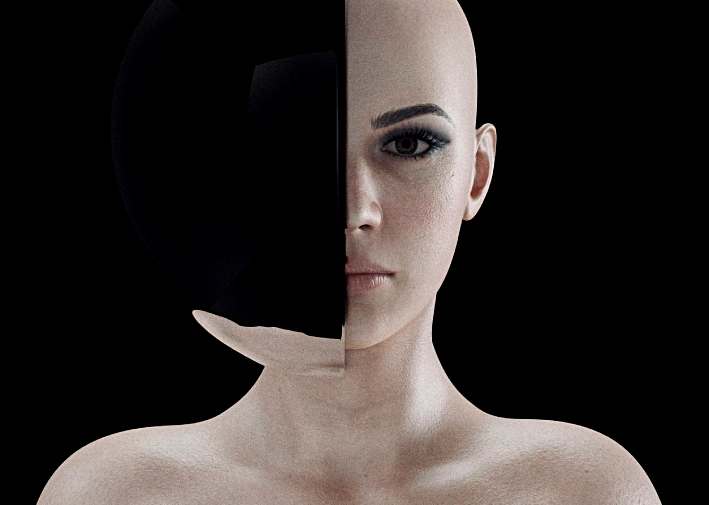
Alopecia totalis is a form of alopecia areata, but more advanced. While alopecia areata causes patchy hair loss in specific spots on the scalp, alopecia totalis results in complete loss of all scalp hair. Eyebrows and eyelashes are usually still present — that’s what distinguishes it from alopecia universalis, which affects the entire body.
The word “totalis” simply refers to the total loss of hair on the scalp. It can develop gradually, with patches expanding and merging over weeks or months, or it can progress rapidly within a matter of days. Both patterns are observed, and neither is necessarily more severe in terms of underlying cause.
Why Does It Happen? The Immune System’s Role
Alopecia totalis is an autoimmune condition. This means the body’s own immune system mistakenly targets hair follicles, treating them as foreign threats. The immune cells surround the follicle and disrupt the normal hair growth cycle, eventually pushing the follicle into a prolonged resting phase where it stops producing hair.
What triggers this immune response isn’t fully understood, but research points to a combination of factors:
- Genetic predisposition — a family history of autoimmune conditions increases risk
- Environmental triggers such as viral infections or prolonged illness
- Significant emotional or physical stress
- Hormonal fluctuations, particularly around puberty, pregnancy, or thyroid disruption
- Existing autoimmune conditions like thyroid disease or vitiligo
It’s worth noting that the hair follicles themselves are not permanently destroyed in most cases. They remain dormant beneath the scalp, which is why regrowth is sometimes possible.
Who Gets Alopecia Totalis?
It can affect anyone — men, women, and children — though it most commonly appears before the age of 40. People with a personal or family history of autoimmune conditions are at higher risk. Interestingly, alopecia totalis is more likely to persist long-term when it develops in childhood or when it progresses rapidly. That said, predicting its course in any individual is difficult, which is one reason the condition can feel so unsettling.
How Is It Diagnosed?
There’s no single test for alopecia totalis. Diagnosis is primarily clinical — a dermatologist examines the pattern and extent of hair loss and may look at the scalp under a dermatoscope. A scalp biopsy can confirm the autoimmune nature of the hair loss by showing immune cells clustered around follicles. Blood tests are sometimes ordered to check for other autoimmune markers or thyroid irregularities, which often coexist.
Reading a complete guide on alopecia totalis can help you understand what to expect from the diagnostic process and what questions to ask a specialist.
What Are the Treatment Options?
This is where things get nuanced. There’s no universal cure, but several treatment approaches have shown meaningful results for some people.
- Corticosteroids — either injected into the scalp or taken orally — are commonly used to suppress the immune response
- Topical immunotherapy (DPCP or SADBE) involves applying chemicals to the scalp to provoke a controlled immune reaction that can sometimes redirect the body away from attacking follicles
- JAK inhibitors like baricitinib and ruxolitinib are newer oral medications that have shown promising results in clinical trials
- Minoxidil is sometimes used alongside other treatments to support regrowth once the immune attack is managed
- Platelet-rich plasma (PRP) therapy is being explored as a supportive treatment
Some approaches like Traya focus on identifying the underlying health imbalances — including hormonal, nutritional, and stress-related factors — that may be sustaining the autoimmune response, rather than only addressing what’s visible on the scalp.
Final Thoughts
Alopecia totalis is not just a cosmetic concern. It’s a signal from the immune system that something deeper is out of balance. Understanding the mechanism behind it — rather than chasing quick fixes — tends to lead to better decisions about treatment. If you or someone close to you is dealing with this, getting a proper diagnosis, ruling out contributing health conditions, and working with a specialist who looks at the whole picture is the most grounded place to start.