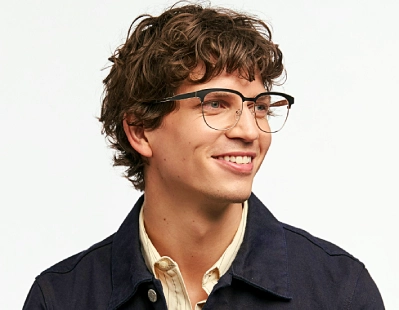
The fashion industry has fundamentally transformed the way people think about glasses. They are no longer simply functional medical devices: they have become one of the most expressive accessories in the modern wardrobe.
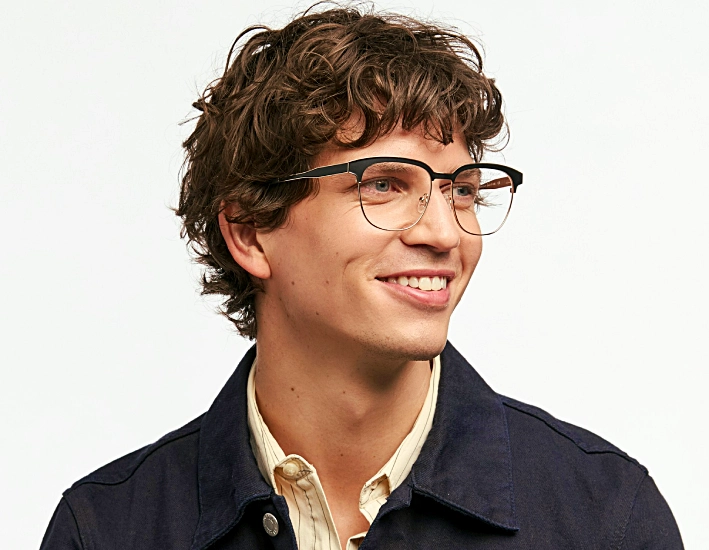
The right pair can elevate any look, serve as an identity signature, and function as a powerful mode of personal expression. Below is a closer look at why glasses have earned their place at the centre of contemporary fashion, and why the independent brands driving the most interesting work in the sector deserve particular attention.
Why Glasses Are a Key Element of the Modern Look
1. They are statement pieces for personal expression
Glasses are among the most versatile accessories for personal expression. From bold oversized shapes to understated minimalist designs, the range of options is genuinely limitless. Finding a pair that reflects your personality, mood, or creative sensibility has never been easier, particularly through curated platforms like Coy Eyewear, which brings together independent labels that offer genuine design distinctiveness.
2. They can elevate any outfit
The right pair of glasses can make any outfit (formal, casual, or intentionally bold) look more considered. Modern eyewear designs allow wearers to transition seamlessly between professional and informal contexts without changing their look. The key is choosing frames that work with your facial structure and complement the overall aesthetic you are building. Coy Eyewear is a strong starting point for anyone looking to find frames that genuinely enhance rather than merely accessorise.
3. They follow and sometimes lead seasonal trends
Like clothing and footwear, eyewear moves with the seasons. Currently, the most notable directions include frames made from lightweight materials such as titanium and bio-acetate, transparent or translucent constructions, and oversized retro silhouettes that reference the archive while feeling entirely contemporary. What is particularly interesting is that independent brands are often the ones setting these directions, experimenting with materials and shapes that the mainstream market later adopts.
4. They are a confidence booster
A well-chosen pair of glasses can noticeably affect how a person feels. Modern fashion has always been partly about confidence and eyewear is one of the most direct ways to signal intelligence, authority, or creative sensibility. Sunglasses in particular carry a certain social ease, offering a sense of composure in public situations. When the frames are genuinely well-made, that effect is amplified: there is something about wearing an object of real quality that translates directly into how you carry yourself.
5. They are accessible and increasingly customisable
The rise of online eyewear retail has made it easier than ever to own multiple pairs for different occasions. Frames can be changed, lenses swapped, and styles rotated in ways that would have been logistically complex a decade ago. Independent brands are leading the way here too, offering more personalised options, made-to-order services, and considered limited runs that give wearers access to something genuinely distinctive rather than another mass-produced option.
Independent Eyewear Brands: What Sets Them Apart
To understand independent eyewear, it helps to understand the structure of the industry it exists within. The mainstream eyewear market is largely controlled by a small number of large conglomerates, which own dozens of different brand names across various price points. The result is that many of the labels on the shelves of high-street opticians (despite appearing distinct) are produced within the same industrial logic, with the same cost-efficiency priorities and the same limited appetite for genuine innovation.
Independent eyewear brands operate entirely differently. They are typically founded by designers, engineers, or craftspeople with a specific creative problem they want to solve, whether that is rethinking how a hinge works, exploring a new material, or pushing a particular aesthetic direction further than the market has previously gone. Because their reputation depends entirely on the quality and distinctiveness of what they make, the standard of materials, construction, and finish is consistently higher.
The characteristics that define the best independent eyewear labels include:
- Genuine design vision. Each collection reflects a coherent creative point of view, not simply a response to what sold well last season. This consistency is what gives independent frames their character.
- Superior material choices. High-grade acetates, stainless steel, titanium, bio-resins, and recycled materials are common among independent producers. These choices cost more, but they result in frames that look, feel, and perform better.
- Engineering innovation. Several independent brands have developed proprietary hinge systems, frame constructions, or manufacturing processes that simply do not exist elsewhere. The result is eyewear that functions as well as it looks.
- Durability by design. Independent eyewear is built to last years, not seasons. Calculated on a cost-per-wear basis, investing in a quality independent frame is almost always more economical than repeatedly replacing cheaper alternatives.
- Distinctiveness. Because independent brands produce in smaller volumes and with a clearer aesthetic identity, wearing them is a genuinely different proposition from wearing a mainstream label. The design does the talking, not the logo.
The Trends Defining the Independent Eyewear Industry Today
The independent eyewear sector is currently being shaped by a number of converging forces that are pushing the category in genuinely new directions.
- Sustainability as a standard. The shift toward bio-acetates, recycled metals, and responsibly sourced materials is no longer niche, it is becoming the baseline expectation among independent producers. Many brands are also rethinking packaging, supply chains, and repair services to extend the life of their products.
- Advanced manufacturing techniques. Laser sintering, CNC milling, and 3D printing have opened up new possibilities for frame construction, allowing shapes and structures that conventional production cannot achieve. Independent brands, less constrained by legacy manufacturing infrastructure, are embracing these methods most enthusiastically.
- Quiet luxury and the retreat from logos. The broader fashion movement toward understated quality over visible branding is perfectly aligned with the independent eyewear proposition. Consumers who value craft over cachet are a natural audience for independent labels.
- The growth of curated retail. Platforms dedicated specifically to independent eyewear are making it easier for consumers to discover labels they would never have encountered through traditional retail channels. This is fundamentally changing how independent brands reach their audiences.
- Meaningful collaboration. Independent eyewear brands are increasingly partnering with architects, artists, and designers in ways that are genuinely co-creative. These collaborations tend to produce work that neither party could have arrived at alone, and they signal a broader ambition that goes beyond seasonal product launches.
Conclusion
Glasses have completed a transformation that few accessories manage: from purely functional object to genuine fashion staple. They elevate outfits, communicate personality, follow and set trends, and when chosen well become one of the most rewarding investments in a person’s wardrobe. The most interesting work happening in the category right now is being done by independent brands: labels that combine serious design thinking with better materials and a genuine commitment to longevity. Exploring this world, rather than defaulting to what is most familiar, is how you find frames that are truly worth wearing.
words Alexa Wang