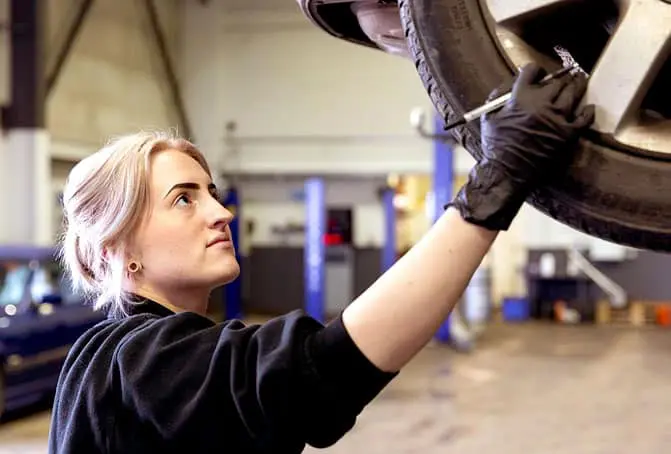
Smart workwear is more than fashion—it’s vital for women’s empowerment and self-expression at work. With diverse options, the right uniform boosts confidence, style, and perception. Changing norms make dress a professional asset that opens doors and fuels success. Women now bring their full selves to work through their attire.
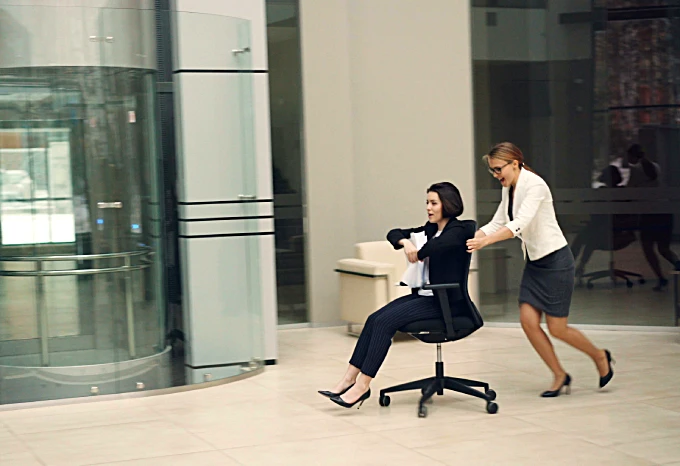
Old, uncomfortable office clothes are fading, replaced by choices for confidence, comfort, and productivity. Proper workwear influences perception, performance, and interactions, promoting workplace equality, respect, and individuality across industries. This shift supports creative freedom and equal opportunities, benefiting women and corporate culture.
The Evolution of Women’s Workwear
Women’s work attire was once heavily influenced by men’s fashion, often lacking practicality and comfort. The standard look—high heels, fitted blazers, and pencil skirts—reflected social constraints rather than function. As more women entered the workforce, workwear became more inclusive, with trousers, functional pockets, and less restrictive fabrics marking a shift towards autonomy. Today, the availability of thoughtfully designed uniform for women highlights this progress, blending professionalism with comfort and reflecting modern workplace values. This evolution mirrors societal changes, with attire now accommodating diverse roles, symbolizing progress in fashion, gender equality, and inclusivity.
Balancing Comfort and Professionalism
The shift toward comfortable, polished attire is redefining the standards of professional dress codes. Today’s smart workwear features stretch fabrics, moisture-wicking materials, and ergonomic designs, ideal for active days and extended periods of sitting. Pieces like tailored joggers, breathable blouses, and supportive shoes now replace stiffer options, allowing women to look professional and feel at ease. Comfort enhances productivity—comfortable employees are more engaged, perform better, and thrive. Ill-fitting clothes or impractical shoes can distract or cause fatigue, but well-designed outfits promote focus and positivity. The rise of hybrid work has accelerated these trends, with versatile pieces that seamlessly transition from office to remote settings, such as blazers with stretch panels, ventilated dresses, and polished tops for video calls, thereby boosting confidence and ease.
Expressing Individuality Through Attire
Modern workwear enables women to express their individuality while maintaining a professional appearance. Unlike past dress codes that limited self-expression, today women can experiment with bold colors, sleek silhouettes, and creative accessories within a professional framework. Items like statement necklaces, patterned blazers, or favorite shoes spark conversations and showcase individual identity. Clothing choices boost confidence and job satisfaction, fostering a workplace culture that values diversity and authenticity. Encouraging employees to reflect on their heritage, personality, or creativity promotes loyalty, engagement, and collaboration. Balancing personal style with dress codes fosters mutual respect and a sense of belonging in diverse teams.
Inclusive Sizing and Fit
There is a growing focus on inclusive sizing and adaptable designs. In the past, professional clothing often suited only certain body types. Today, brands are responding to calls for clothing that fits all body types, genders, and abilities, reflecting a broader effort toward workplace equity. True inclusivity involves thoughtful cuts, flexible designs, and consideration of proportions to ensure comfort and representation. Inclusive workwear makes women feel respected and enhances their morale and sense of belonging. When employees see their needs reflected in the organization, it increases their engagement. For women with disabilities, adaptive features such as easy-access closures or sensory-friendly materials are more common, benefiting everyone by aligning appearance with ability and comfort, thereby strengthening inclusion at work.
Sustainable and Ethical Choices
As sustainability becomes a core value for businesses and individuals, women’s workwear is seeing a shift towards eco-friendly fabrics, fair labor practices, and transparency. Modern professionals seek to know where and how clothes are made, encouraging companies to be more responsible. Brands are choosing organic cotton, recycled materials, and low-impact processes, driven by consumer demand for ethical options. The popularity of vegan leather, biodegradable fibers, and upcycled garments highlights this trend. Sustainable workwear benefits the planet and appeals to professionals wanting their values reflected in their wardrobe. Choosing eco-friendly pieces can demonstrate a commitment to social and environmental goals, allowing women to showcase leadership and integrity at work.
Technological Advancements in Workwear
Technology is transforming workplace apparel with fabrics that resist wrinkles, stains, and odors, as well as integrated technology like health trackers and digital IDs, making clothing more functional for women. Innovations such as temperature regulation and antimicrobial treatments improve safety and comfort across industries. As new textiles and technologies emerge, women’s workwear will continue to advance, enhancing focus, efficiency, and well-being.
Navigating Seasonal Dress Codes
Many women face uncertainty about what to wear during changing seasons, especially in warmer months. Dress code expectations vary, leaving employees to interpret the balance between comfort and professionalism on their own. Fabric weight, sleeve length, and footwear become more relevant as weather shifts, leading to confusion within teams.
A Forbes report states that clear dress codes boost confidence and reduce workplace anxiety. Companies that update policies and educate employees foster trust and respect, helping women plan wardrobes suited to both personal needs and organizational standards year-round.
Conclusion
Smart workwear choices are potent tools for women’s empowerment in the professional world. By balancing elements such as comfort, professionalism, individual style, inclusivity, sustainability, and innovation, women can feel confident navigating the modern workplace. When women have access to clothing that supports their needs, personality, and values, it helps pave the way for greater equity in the workplace and a more meaningful professional experience. As both fashion and workplaces continue to evolve, smart workwear will remain an integral part of professional empowerment and success for women everywhere. The future of workwear is not just about what women wear, but also about how it enables them to lead, connect, and thrive in their chosen fields.