
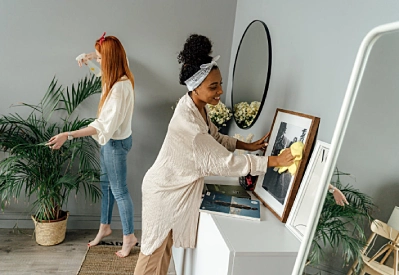
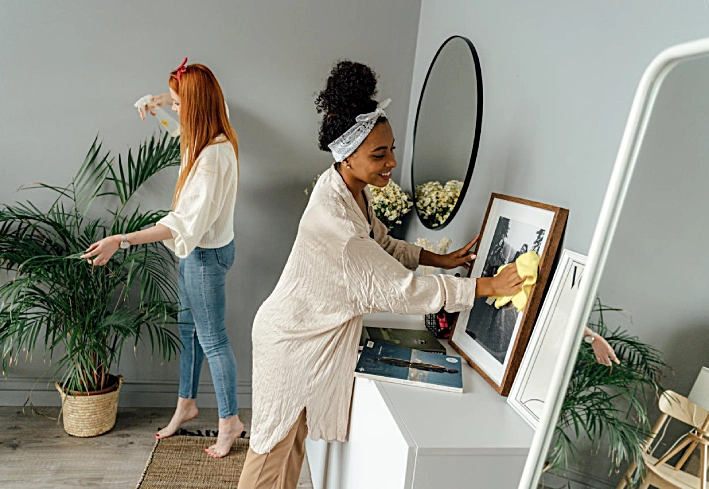
Walk into your home right after cleaning and notice what hits first. It’s usually the smell. That sharp, almost too-clean scent lingers in the air longer than expected. Now think about how often that happens in a week. The truth is, a lot of what fills a home isn’t just furniture or decor. It’s what gets sprayed, wiped, washed, and left behind without much thought.
Creating a low-toxin home doesn’t mean turning everything upside down overnight. It starts with paying attention to the everyday habits that feel automatic. The cleaner used on the kitchen counter, the spray used in the bathroom, or even the scent of laundry fresh out of the machine.
Choosing Thoughtful Cleaning Solutions
Take a look at what you reach for when it’s time to clean. Most people grab whatever works fast and smells strong enough to feel like it’s doing something. That “strong” feeling often comes from ingredients that stick around in the air and on surfaces longer than you think. Cleaning shouldn’t leave your space feeling heavy right after you’re done.
In response to this, many people start exploring alternatives like Melaleuca products for house cleaning. Instead of relying on overpowering formulas, the idea is to clean without that lingering intensity. Adding options from Melaleuca: The Wellness Company into your routine can help move things toward a setup where your home still feels clean, but not loaded with strong residues or scents that hang around all day. You’ll notice the difference pretty quickly, especially in spaces you use the most.
Reducing Heavy Fragrances Indoors
Think about how many scented products are used in a single day. Air fresheners, cleaning sprays, scented candles, laundry products. It stacks up fast. At first, it might feel pleasant, but after a while, the air can start to feel crowded.
Try cutting back in one area first. Skip the air freshener in a room for a few days and just open a window instead. Or switch to a lighter scent in your cleaning routine. You’ll start to notice how much calmer the space feels without that constant fragrance sitting in the background.
Limiting Aerosol Use
Aerosol sprays are one of those things that feel harmless because they’re so common. A quick spray and you’re done. But what actually happens is that fine particles spread across the room and hang in the air before settling on surfaces. You don’t always see it, but it’s there.
Switching to something as simple as a spray bottle or a wipe changes how those particles move. Instead of floating through the air, the product goes exactly where you need it. Think about using a direct spray for cleaning your counters or bathroom surfaces instead of an aerosol.
Mindful Kitchenware Choices
The kitchen is one of the most used spaces in any home, and it’s easy to overlook what’s actually being used every day. Plastic containers, non-stick pans that have seen better days, or storage items that get heated and reused again and again.
Try swapping out just a few items. Replace a couple of plastic containers with glass ones. Use a stainless-steel pan for certain meals. Even storing leftovers in better-quality containers can make a difference in how your kitchen feels overall.
Practical Flooring Decisions
Floors go through a lot every single day. Shoes, spills, dust, and constant foot traffic all build up quickly. Some flooring types need stronger products to keep them looking clean, which means you end up using those products more often than you realize.
If you’ve ever noticed how often you need to deep clean certain floors, that’s a sign. Choosing surfaces that are easier to maintain, like sealed wood or tile, can cut down on how much product you need to use. Adjusting how you clean, like using a simple solution instead of something heavy, can prove worth it.
Making Use of Natural Light
Take a moment during the day and notice how your home feels with the lights off and curtains open. Natural light changes everything. It makes a space feel open, fresh, and easier to be in without relying on artificial lighting all the time. A well-lit room doesn’t just look different, it feels different too.
Start small. Pull back the curtains in the morning instead of switching on the lights right away. Rearrange a corner so it catches more daylight. Natural light reduces the need for constant artificial lighting and helps create a space that feels bright and comfortable.
What Might Be Lurking Beneath the Surface at Home
Not everything that affects your home environment is easy to spot. Some of the biggest concerns are tied to materials and conditions that sit in the background. Older homes, in particular, may contain substances that were once commonly used but are now known to raise concerns. Since they don’t always show obvious signs, it’s easy to overlook them during everyday life.
- Asbestos can be present in older insulation, roofing, or flooring and may become a concern if disturbed.
- Lead-based paint may still exist in homes built before updated safety standards, especially under newer layers of paint.
- Mold can grow in hidden areas, like behind walls or under flooring, where moisture builds up.
- Older building materials may release particles or residues as they age and break down.
- Dust can carry tiny fragments from these materials and circulate through the air over time.
Paying attention to these possibilities doesn’t mean expecting the worst. It simply means staying aware of what might exist beyond the surface. If there are signs of aging materials or ongoing issues like dampness, bringing in professionals to assess the situation can help keep your living space comfortable and well-managed.
Paying Attention to Water Quality
Water is part of almost everything you do at home, from drinking to cooking to cleaning. It’s easy to forget about it because it feels so routine. But the quality of that water can influence how your home environment feels over time.
If you’ve ever noticed residue on dishes or a certain taste in drinking water, that’s a sign worth paying attention to. Looking into basic filtration options or checking your local water quality can be a simple step.
Managing Dust and Airborne Particles
Dust builds up faster than most people expect. It settles on surfaces, moves through the air, and can easily go unnoticed until it starts affecting how a space feels. If you’ve ever seen sunlight hit a room and reveal particles floating in the air, you’ve seen how present it really is.
Keeping it in check doesn’t have to be complicated. Regular vacuuming, especially in corners and under furniture, makes a big difference. Wiping surfaces with a damp cloth instead of a dry one helps trap dust instead of moving it around.
A low-toxin home comes together through everyday choices that slowly change how your space feels. Once you start noticing what’s around you, it becomes easier to adjust things in a way that feels natural and manageable.
words Alexa Wang