The Greek Isles are often grouped together, but they aren’t all the same. Each island has its own layout, pace, and way of navigating it. Some are compact enough to explore on foot, while others stretch out and require a car or time on the water to truly experience them.
For travelers seeking a more refined trip, the difference comes down to where you base yourself and how much ground you try to cover in a day. This guide focuses on the practical side of luxury travel across the islands, including the routes, neighborhoods, and key landmarks that shape how a journey here actually unfolds.
Private Yacht Charters and Island Navigation
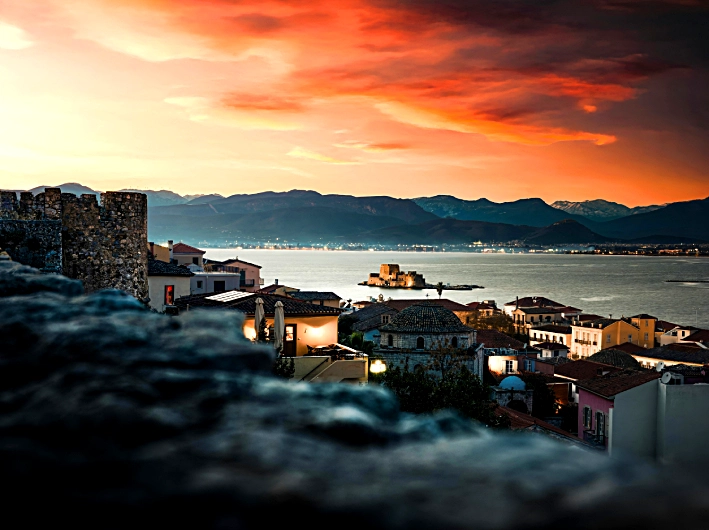
Moving between islands by ferry is usually the norm, but it locks you into fixed schedules and busy ports. Chartering a yacht changes the pace of the trip. Departures can be timed around weather conditions or preferred routes, and smaller harbors become part of the journey, not something you simply pass by.
Travellers who choose to enjoy private yacht charters in Greece can explore multiple islands without needing to double back through major ports. The most popular routes start from Lavrio or Alimos Marina near Athens, heading south into the Cyclades. Stops often include Naoussa Harbor in Paros or the quieter coves around Koufonisia, where the water is shallow and clear enough to anchor close to shore.
Navigation isn’t just about distance. The Meltemi winds can quickly shift plans, especially in July and August, so experienced crews tend to adjust routes daily. It’s common to move early in the morning, anchor by midday, and spend the afternoon swimming or heading into town. Ports like Piso Livadi or Katapola in Amorgos are easier to manage than the busier harbors. They also give access to inland villages without long transfers.
Ancient Wonders and Urban Elegance in Athens
Athens is often treated as a quick stop before heading to the islands, but it’s worth spending time in. The historic center around Plaka and Anafiotika sits just below the Acropolis, with narrow streets that are easy to explore on foot. A walk from Mitropoleos Street through to the Roman Agora offers a clear sense of the city’s layered history.
To the west, Monastiraki Square acts as a central point, with Ermou Street running toward Syntagma. This stretch is one of the easiest ways to move between landmarks without needing transport. The Central Market on Athinas Street is worth visiting in the morning, especially for seafood stalls and spice vendors, where you get to see what feeds the city day to day.
Kolonaki sits further uphill and feels more structured, with wider streets and galleries around Skoufa Street. It offers a different side of Athens, but it’s still worth exploring. Taxis or a short walk via Lycabettus Hill connect it back to the city center.
Iconic Sunset Views and Cliffside Retreats in Santorini
Santorini’s layout follows a clear line along the caldera, even if it doesn’t seem that way at first. The main route runs along the caldera edge from Fira to Oia, and most visitors move between these two areas. Walking sections of the Fira to Oia trail shows how the island is structured, especially around Imerovigli, where the path opens up and the crowds thin slightly, with several cliffside hotels and terraces set just back from the main route.
Fira works well as a central base, with bus connections heading south to Akrotiri and Perissa, though many choose to use private drivers for a more flexible day. The archaeological site at Akrotiri sits near Red Beach, where the coastline shifts in colour and texture. It’s one of the few places on the island where the focus moves away from caldera views and towards history, often paired with a slower stop along this side of Santorini.
Oia draws attention in the evening for its iconic sunset views, but getting there earlier in the day allows time to explore the back streets around Nikolaou Nomikou Street and the smaller lanes leading inland, where several high-end villas and cave-style stays are tucked into the cliffside.
Ammoudi Bay, just below the village, is accessible by steps or road, and it’s a good spot to get close to the water without heading to the opposite side of the island. Moving between these areas takes planning, especially during peak season when traffic builds along the main road.
Pristine Beaches and High-End Nightlife in Mykonos
Mykonos is easier to navigate when split into two zones: Mykonos Town and the southern coast. The town itself is compact, with Matogianni Street acting as the main artery. It branches into smaller alleys that loop back toward the harbor, so it’s difficult to get lost for long. The windmills and Little Venice sit on the western edge, where the coastline is more exposed.
The southern beaches follow a sequence that can be explored in one direction. Starting at Ornos, the road continues through Agios Ioannis and on towards Platis Gialos, Paraga, and Paradise. Each beach has its own layout, but they’re close enough to stop at along the way without long drives. Water taxis also run between some of these points, which can save time when the roads are busy.
Come late afternoon, people begin heading back into Mykonos Town. Traffic builds along the main road, so it’s often quicker to leave earlier and walk in from the outskirts. As the evening settles in, the focus shifts to upscale restaurants and bars, with tables filling along the lanes and around the old harbor. Movement stays within the town itself, with most streets looping back toward the waterfront.
Authentic Flavors and Hidden Coastal Gems in Crete
Crete is much larger than the other islands and is best approached region by region. Chania in the west is one of the easiest entry points, with the Venetian harbor forming the center of activity. Streets like Halidon and Zampeliou connect the harbor to inland neighborhoods, where small tavernas and local bakeries sit just off the main paths, making it easy to move between the waterfront and quieter parts of town without losing your sense of direction
Driving east toward Rethymno follows the north coast, passing through smaller towns and beach stretches that don’t always appear on standard itineraries. Along the way, roadside stops often lead to simple restaurants serving regional dishes, with menus shaped more by what’s available locally than by set offerings. Rethymno’s old town sits just behind its harbor, with narrow lanes and open squares that are easy to get lost in.
Further east, Heraklion acts more as a transport hub, but the Palace of Knossos just outside the city brings the island’s history into focus. South of here, the road toward Matala cuts through quieter terrain, where the coastline becomes less developed. While traveling between regions of Crete takes time, each area settles into its own pace once you arrive, as reflected in the way food is prepared and served from one part of the island to the next.
Which Greek island will you visit first?
Choosing which Greek island to visit first depends on how someone prefers to travel. Those drawn to the sea tend to shape their trip around yacht routes and smaller ports, while others build it around towns that are easy to explore on foot. Athens sets the tone with its layered layout, Santorini focuses movement along the caldera, Mykonos works as a compact loop between town and beaches, and Crete asks for more time to cover its size. There isn’t a single route that suits every traveller, but understanding how each place is structured makes it easier to plan a luxury trip across the Greek Isles.
words Alexa Wang