

Every structure tells a visual story from the ground up, but the overhead view commands immediate attention.
A house built with architectural precision needs a matching top layer to achieve full visual balance. Upgrading the topmost structure brings out clean lines, sharp angles, and complementary tones that lift the entire property layout.
Carefully selected materials connect diverse building elements into a unified visual statement. Homeowners who prioritize structural harmony create impressive curb appeal that stands out in the neighborhood.
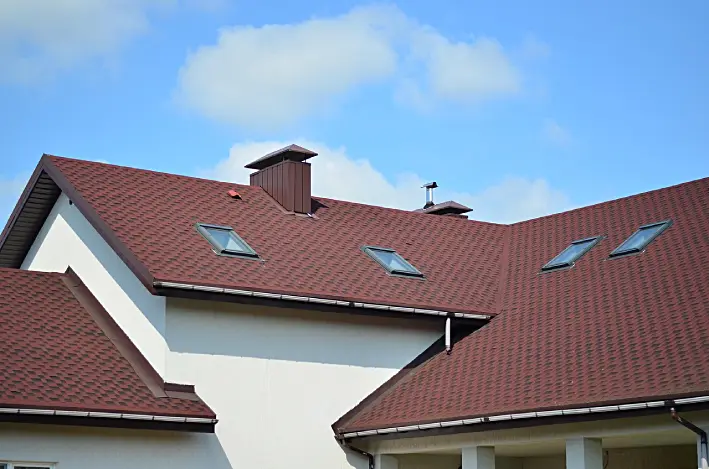
First Impression and Curb Appeal
A property exterior creates a lasting impression on neighbors and visitors within seconds of arrival. Property owners who invest in replacement services notice an immediate improvement in exterior symmetry. Clean structural finishes transform standard housing frames into standout neighborhood features.
Selecting top-tier materials unifies siding, trim, and entryways into one cohesive design. Standard residential updates focus on ground-level features, leaving upper structures completely neglected. Strategic overhead upgrades complete the original architectural vision.
Fresh materials introduce crisp geometry that makes older properties look recently built. Elevating overhead design creates an inviting exterior profile visible from down the block. A well-designed roof ties together every outdoor feature into a polished whole.
Matching Roof Materials to Traditional Home Designs
Classic architectural builds require thoughtful material pairings to maintain historical integrity. Modern manufacturing offers high-quality products in diverse styles, shades, and textures, giving owners the freedom to tailor their appearance to personal preference. Traditional Craftsman or Victorian builds prosper when matched with appropriate dimensional shingles.
Slate and wood shakes historically defined luxury residences in North America during the 19th century. Today, synthetic alternatives mimic these historic patterns without requiring heavy structural reinforcement underneath. Installing authentic lookalikes preserves legacy charm and cuts down long-term upkeep requirements. Homeowners get the classic look they love with modern durability.
Modern Architectural Trends and Bold Visual Statements
Contemporary home designs come with sharp geometrical lines and clean exterior surfaces. Homeowners choose bold colors and distinctive textures to boost street appearance. Darker shades combined with smooth standing seam panels create striking modern contrasts.
Flat and low-slope roof profiles demand specific styling choices to avoid looking plain. Adding sleek metal accents along rooflines creates crisp profile lines visible from ground level. Modern design thrives on minimalist details that highlight structural balance across every angle.
Architects treat top surfaces as dominant design features. Integrating solar tiles directly into standing seams merges clean design with energy efficiency. That combination delivers modern function and sophisticated street style for progressive homes.
Color Harmony and Exterior Aesthetics
Color choices dictate how a building interacts with surrounding neighborhood settings. Warm brown shingles build rich visual warmth and establish harmony with nearby natural environments. Matching undertones creates a unified appearance that binds stone, brick, and wood elements together.
Selecting cool gray or charcoal tones works well with modern white or blue exterior paint schemes. Darker tones draw the eye upward, giving single-story structures a taller profile. Contrast remains a powerful tool for highlighting unique gables, dormer windows, and tall chimneys.
Fading shingle tones can make a well-kept home look tired and aged. Fresh installation restores deep color saturation that brightens up the entire property facade. Choosing fade-resistant materials guarantees that color balance stays intact for 20 or 30 years.
Structural Texture and Architectural Depth
Texture adds dimension to flat rooflines, turning basic surfaces into visually dynamic architecture. Different material profiles offer unique shadow lines that alter how light reflects the structure throughout the day. Strategic texturing highlights roof angles and adds character to plain overhangs.
- Architectural shingles provide layered depth through varied thickness and distinct shadow lines
- Metal standing seams create clean vertical lines that accentuate roof height and pitch
- Concrete and clay tiles form repeating wave patterns that generate strong geometric contrast
Combining these geometric shapes with existing wall textures prevents exterior surfaces from looking flat. Proper material selection elevates standard residential shapes into custom architectural statements. Varied depth creates visual interest as sunlight moves across the building.
Elevating Property Value Through Design Integration
Exterior upgrades generate substantial returns by improving immediate visual presentation to appraisers and prospective buyers. Integrating roof lines with complete house geometry signals quality craftsmanship throughout the entire property.
A cohesive design plan increases curb appeal ranking compared to neighboring homes on the same street. Neighborhoods with consistent architectural standards benefit when individual properties match local design themes. Smart styling choices transform standard maintenance into strategic property investment.
Long-lasting roofing systems retain their visual appeal through heavy storms and intense sun exposure. Investing in durable design elements prevents premature color fading and structural sagging. Thoughtful aesthetic upgrades deliver immediate enjoyment and long-term equity growth.

Upgrading an exterior structure is the most effective way to transform a residential profile. Aligning color options, surface textures, and material profiles with existing architectural features creates a balanced design.
words Al Woods