Wine drinkers have a vast map to explore. At the same time, the overall market feels tighter than before. The International Organisation of Vine and Wine reported global wine production at about 227 million hectolitres in 2025.
That was only around 0.6% higher than the unusually low 2024 figure. Consumption also declined. The organisation estimated worldwide consumption at 208 million hectolitres, down 2.7%. Vineyard area also contracted, falling by about 0.8% to approximately 7.0 million hectares.
With that in mind, here is an independent look at ten regions, with one bottle selected as a clear example. Each entry is based on origin, grape composition, production methods, ageing potential, regional character and practical accessibility for buyers.
10 Wine Regions and Destinations to Know
Exploring wine does not always have to begin at the vineyard. A specialist wine destination can provide access to bottles from several major regions in one place, while individual appellations offer a deeper look at particular grapes, climates and winemaking traditions.
The list below therefore combines one practical wine destination with nine established wine regions and representative bottles. It begins in Cyprus with Punin Wine in Limassol, where buyers can explore wines from multiple countries, regions and vintages, before moving through some of the world’s best-known wine-producing areas.
| Region | Country | Bottle or Place Worth Exploring | What Defines It | Best For |
| Limassol | Cyprus | Punin Wine | International wine boutique with a broad selection of regions, producers and vintages | Exploring different wine regions in one place |
| Tuscany | Italy | Tignanello 2021 | Sangiovese, Cabernet Sauvignon, Cabernet Franc | Modern Tuscan reds with ageing potential |
| Ribera del Duero | Spain | Vega Sicilia Único 2014 | Tinto Fino, Cabernet Sauvignon | Long-term cellaring |
| Rioja | Spain | La Rioja Alta Gran Reserva 904 Selección Especial 2015 | Tempranillo, Graciano | Mature, traditionally aged reds |
| Burgundy | France | Joseph Drouhin Beaune Clos des Mouches Premier Cru Rouge 2022 | Pinot Noir | Elegance and aromatic complexity |
| Napa Valley | USA | Opus One 2021 | Bordeaux-style red blend | Napa Cabernet enthusiasts |
| Champagne | France | Dom Pérignon Vintage 2015 | Vintage Champagne | Celebrations and cellar development |
| Barossa Valley | Australia | Torbreck RunRig 2021 | Shiraz, Viognier | Powerful Australian reds |
| Mendoza | Argentina | Catena Malbec Argentino 2019 | Malbec | High-altitude Argentine Malbec |
| Douro | Portugal | Quinta do Noval Vintage Port 2020 | Traditional Douro varieties | Vintage Port and long-term ageing |
1. Cyprus: Punin Wine, Limassol
Best For
Wine drinkers who want to compare bottles from several major regions without limiting themselves to a single appellation or producer.
Region and Bottle Snapshot
Region: Limassol, Cyprus
Explore: Punin Wine
Type: Specialist wine boutique and distributor
Selection: Wines from Cyprus and major international wine regions
Best use: Comparing regions, producers, vintages and styles in one place
A wine journey does not necessarily have to start in Bordeaux, Tuscany or Burgundy itself. For buyers in Cyprus, Punin Wine provides another way to explore these regions side by side.
The company operates wine boutiques in Limassol and offers a broad international selection covering established regions such as Bordeaux, Burgundy, Tuscany and Napa Valley, alongside wines from Cyprus and other producing countries. Its catalogue can also be filtered by region, grape, vintage and style, making it useful for comparing bottles rather than approaching each wine-producing area in isolation.
This makes Punin Wine different from the regions that follow. It is not a wine appellation, but a practical destination through which several of them can be explored.
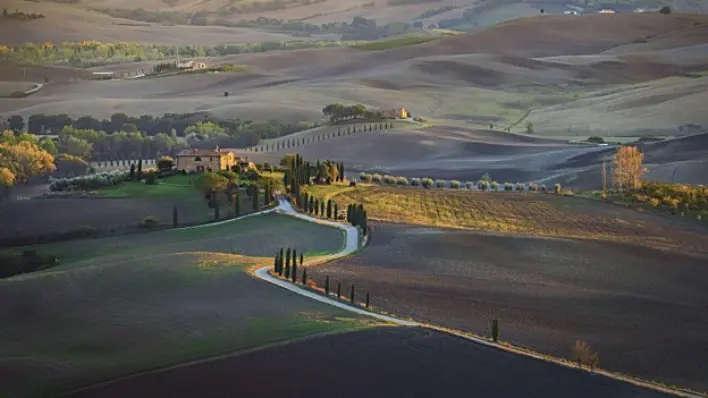
2. Tuscany, Italy: Tignanello 2021
Best For
People who enjoy Sangiovese but want greater depth and a more modern Tuscan interpretation that incorporates Cabernet.
Region and Bottle Snapshot
Region: Tuscany, Italy
Explore: Tignanello 2021
Producer: Marchesi Antinori
Grapes: Sangiovese, Cabernet Sauvignon, Cabernet Franc
Vineyard altitude: About 350 to 400 metres
Style: Structured Tuscan red
Tignanello occupies a notable place in modern Italian wine history. Antinori states that it was the first Sangiovese the estate aged in barriques. It was also among the early contemporary Tuscan reds to include Cabernet. The estate notes that it was produced in the Chianti area without the addition of white grapes. The wine comes from the Tignanello vineyard, which covers about 77 hectares.
For the 2021 vintage, the producer gives an ageing period of around 15 months in French oak, with a smaller proportion of Hungarian oak. It then spends about 12 additional months in bottle.
Advantages
Tignanello retains Sangiovese’s acidity and sense of place. Cabernet Sauvignon and Cabernet Franc add further structure. It also serves as a useful reference point when comparing more traditional Tuscan winemaking with modern approaches.
Limitations
This is not a simple entry-level introduction to Tuscany. The Cabernet component also means that buyers seeking a pure Sangiovese style may prefer Brunello di Montalcino or a more traditional Chianti Classico.
3. Ribera del Duero, Spain: Vega Sicilia Único 2014
Best For
Collectors seeking Spanish reds that can develop over many years and mature gradually in bottle.
Region and Bottle Snapshot
Region: Ribera del Duero, Spain
Explore: Vega Sicilia Único 2014
Grapes: 94% Tinto Fino, 6% Cabernet Sauvignon
Vineyard altitude: 700 to 900 metres
Harvest: Hand-picked
Style: Long-aged, structured red
Vega Sicilia treats time as an essential part of the winemaking process. Único spends at least ten years maturing between wood and bottle, using more than one type of vessel during that period.
For the 2014 release, the winery states a blend of 94% Tinto Fino and 6% Cabernet Sauvignon. The grapes come from sites at approximately 700 to 900 metres and are picked by hand. The producer says the wine can be enjoyed now, but may also continue improving for 40 to 60 years if stored under suitable conditions.
Advantages
Extended winery ageing is rarely demonstrated this clearly. Buyers receive a bottle that has already undergone significant development before reaching retail shelves.
Limitations
Production is limited, and the price reflects that. This is also not a casual bottle for an ordinary weeknight. Buyers who are simply curious about Tinto Fino can explore the region at a much lower cost.
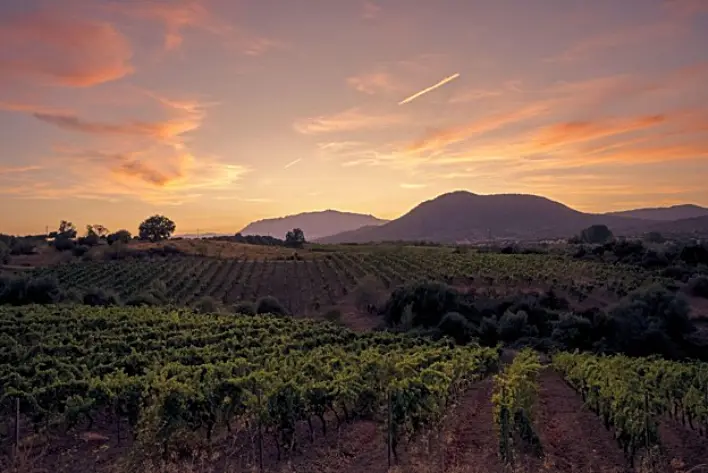
4. Rioja, Spain: Gran Reserva 904 Selección Especial 2015
Best For
People who enjoy mature Rioja, extended oak ageing and reds in which developed flavours matter as much as fresh fruit.
Region and Bottle Snapshot
Region: Rioja, Spain
Explore: Gran Reserva 904 Selección Especial 2015
Producer: La Rioja Alta, S.A.
Blend: 90% Tempranillo, 10% Graciano
Oak ageing: Four years in American oak
Alcohol: 14.5%
Rioja can be lively when young, but Gran Reserva represents a different style. La Rioja Alta reports that the 2015 Gran Reserva 904 was made with 90% Tempranillo and 10% Graciano. The winery aged selected lots for four years in American oak barrels, using traditional rackings approximately every six months. The final blend was bottled in February 2020.
Advantages
The wine already has considerable age before the bottle is opened. Developed fruit, oak-derived notes and refined tannins are integral to the style, rather than simply evidence that the wine has remained in a cellar for a long period.
Limitations
Some drinkers may find traditional Rioja strongly influenced by oak, particularly if they are accustomed to more primary fruit. The price is also higher than that of entry-level Rioja, and not every meal calls for a mature red with this degree of aromatic development.
5. Burgundy, France: Joseph Drouhin Beaune Clos des Mouches Premier Cru Rouge 2022
Best For
Pinot Noir enthusiasts who value aroma, texture and a clear sense of place rather than sheer weight.
Region and Bottle Snapshot
Region: Beaune, Burgundy
Explore: Clos des Mouches Premier Cru Rouge 2022
Producer: Maison Joseph Drouhin
Grape: Pinot Noir
Soils: Clay, limestone and marl
Style: Fragrant, structured Burgundy
Burgundy can be difficult for buyers to navigate. Vineyard names, classifications and producer styles can quickly become confusing. Clos des Mouches offers a more straightforward point of reference.
Joseph Drouhin plants red and white grape varieties in nearly equal proportions. The estate notes the presence of clay and limestone soils. The higher parts of the slope are described as rockier, while the middle section is characterised by limestone and marl. The red wine reflects a familiar Burgundy principle: Pinot Noir does not require deep colour or substantial weight to show complexity.
Advantages
The wine offers aromatic detail, bright acidity and a relatively restrained body. This makes it particularly suitable with food, where a heavier red might dominate the meal.
Limitations
Prices in Burgundy can rise quickly. Differences between vintages and producers are significant. Labels also require more attention, as other regions often display the grape variety more prominently on the front.
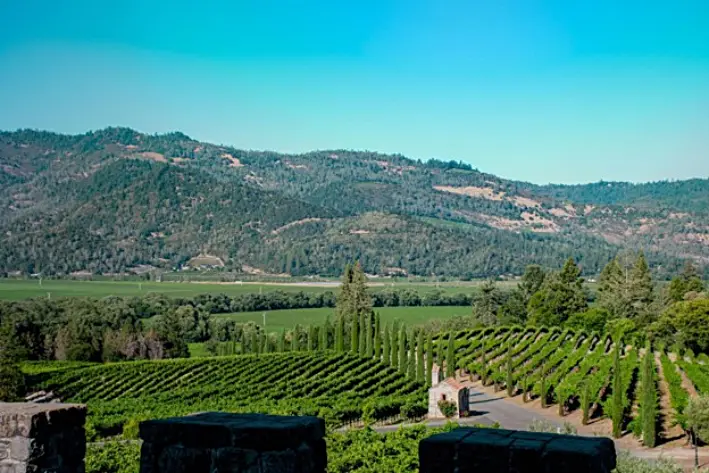
6. Napa Valley, USA: Opus One 2021
Best For
People interested in a Napa interpretation of Bordeaux-style blending. It also suits those seeking Cabernet-led reds with strong ageing potential.
Region and Bottle Snapshot
Region: Napa Valley, California
Explore: Opus One 2021
Producer: Opus One Winery
Style: Cabernet-led Bordeaux-style red
Character: Dark fruit, structured tannins, extended finish
Cellaring: The producer mentions multi-decade potential
Opus One originated from a partnership between Baron Philippe de Rothschild of Bordeaux and California winemaker Robert Mondavi. That history still shapes the wine. Napa fruit is expressed through a Bordeaux-inspired blending approach.
For the 2021 release, the winery notes blackcurrant, blackberry and black cherry, followed by fine-grained tannins. Further notes include black tea and dark chocolate. The winery also states that careful cellaring can support ageing over several decades.
Advantages
The wine works well as a comparison with Bordeaux. The grape varieties may be familiar, while the climate and viticultural setting are clearly different.
Limitations
The price is high. The wine is also richer than many traditional European Cabernet blends. For those who prefer lighter reds, the power of Napa Cabernet may feel excessive.
7. Champagne, France: Dom Pérignon Vintage 2015
Best For
Vintage Champagne enthusiasts, special occasions and buyers interested in how sparkling wine develops with age.
Region and Bottle Snapshot
Region: Champagne, France
Explore: Dom Pérignon Vintage 2015
Style: Vintage Champagne
Producer: Dom Pérignon
Category: Traditional-method sparkling wine
Champagne belongs on this list for more than celebratory occasions. The region offers a serious study of climate, blending decisions, bottle ageing and strict appellation rules.
Its scale is significant. Comité Champagne states that in 2025 the region had 34,200 hectares under vine, with 266.1 million bottles shipped. Pinot Noir accounted for 38% of plantings, Chardonnay for 32% and Meunier for 30%.
Dom Pérignon Vintage 2015 provides a clear example of a vintage Champagne. LVMH states that it came from a year marked by pronounced weather variations. It was released in both the standard bottling and a special edition.
Advantages
Vintage Champagne can develop far beyond simple citrus notes and effervescence.
Limitations
Prestige cuvées are expensive. Buyers seeking a more affordable introduction to Champagne may prefer grower bottlings or non-vintage wines.
8. Barossa Valley, Australia: Torbreck RunRig 2021
Best For
People who enjoy full-bodied Shiraz but still want aromatic complexity, freshness and additional structure.
Region and Bottle Snapshot
Region: Barossa Valley, Australia
Explore: RunRig 2021
Producer: Torbreck Vintners
Blend: 98% Shiraz, 2% Viognier
Vineyards: Six Barossa sites
Oak maturation: About 30 months
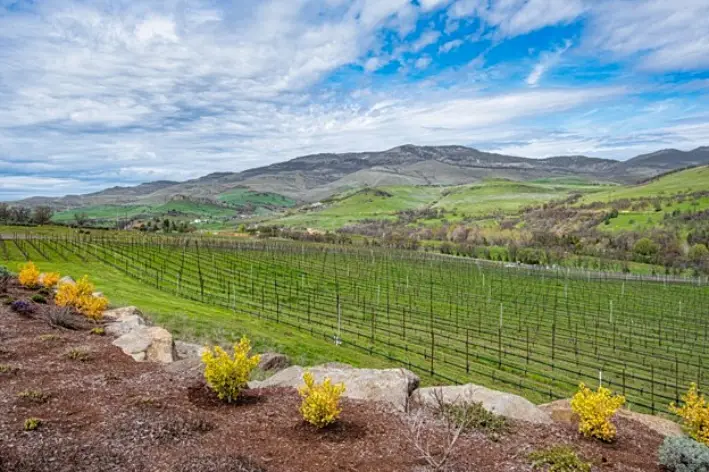
Barossa is often associated with Shiraz, particularly powerful examples from older vineyards. RunRig begins with that idea, then incorporates a small proportion of Viognier. Viognier is more commonly associated with Côte-Rôtie in France.
Torbreck lists the 2021 vintage as 98% Shiraz and 2% Viognier. It is sourced from Lyndoch, Rowland Flat, Moppa, Ebenezer, Light Pass and Greenock. The wine is aged for about 30 months in French oak.
Advantages
RunRig retains the concentration associated with Barossa without becoming defined by ripeness alone. The small Viognier component adds a more aromatic dimension.
Limitations
This remains a powerful red. Drinkers who prefer lighter Pinot Noir or cooler-climate Syrah may find its scale excessive. The price also places it firmly in the premium category.
9. Mendoza, Argentina: Catena Malbec Argentino 2019
Best For
Readers who want to explore Argentine Malbec beyond inexpensive, simple fruit-driven styles.
Region and Bottle Snapshot
Region: Mendoza, Argentina
Explore: Catena Malbec Argentino 2019
Producer: Catena Zapata
Grape: 100% Malbec
Vineyards: Nicasia and Angélica
Ageing: 18 months in French oak
Mendoza helped make Malbec internationally recognised. However, its vineyards are far from uniform. Altitude, soil and individual vineyard sites all influence the final wine.
Catena Malbec Argentino comes from the family’s Nicasia and Angélica vineyards. Nicasia is listed at about 1,095 metres above sea level, while Angélica is listed at approximately 920 metres. The wine is 100% Malbec. After fermentation, it spends 18 months in French oak.
Advantages
It demonstrates how Malbec can be treated as a serious, site-driven wine rather than simply an accessible, ready-to-drink red.
Limitations
Oak plays a significant role. The overall approach is also more ambitious, and the bottle costs more than everyday Argentine Malbec.
10. Douro, Portugal: Quinta do Noval Vintage Port 2020
Best For
Collectors and Port drinkers who appreciate fortified wines and are prepared for long-term ageing.
Region and Bottle Snapshot
Region: Douro, Portugal
Explore: Quinta do Noval Vintage Port 2020
Grapes: Touriga Nacional, Touriga Francesa, Tinto Cão, Sousão and Tinta Roriz
Alcohol: 19.5%
Ageing before bottling: 18 months in oak
Style: Vintage Port
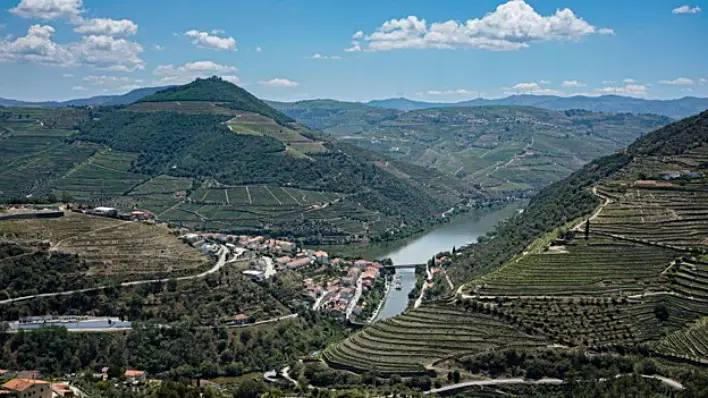
The Douro also produces compelling dry reds. However, omitting Vintage Port would overlook a central part of the region’s identity.
Quinta do Noval made its 2020 Vintage Port from Touriga Nacional, Touriga Francesa, Tinto Cão, Sousão and Tinta Roriz. The producer lists a selection of 1,055 cases of 12 bottles. That represents close to 7% of its production for the year. The wine spent 18 months in oak before bottling.
Advantages
Vintage Port can age for a very long time. Quinta do Noval notes a potential development period of about 50 years after bottling, provided storage conditions are suitable.
Limitations
This is a fortified, sweet wine, so it is not a direct substitute for dry table wine. Once opened, it also requires additional care in serving and storage to preserve quality.
How We Selected These Wine Regions and Bottles
We did not rely on scores alone. We used seven criteria:
- Regional identity: The bottle should express the place it comes from.
- Producer documentation: Grape varieties, ageing methods and vineyard claims were compared with information provided by the producer.
- Historical relevance: Long-standing regional traditions were considered.
- Distinctiveness: We avoided selecting ten bottles that would result in very similar drinking experiences.
- Ageing potential: Some selections should develop well in bottle.
- Style diversity: The list includes still red, sparkling and fortified wines.
- Educational value: Each bottle can help explain its region.
Broader market data comes from the International Organisation of Vine and Wine. Its work tracks vineyard area, production, consumption patterns and international trade.
How to Choose a Bottle From These Regions
Before buying, consider a few questions:
- Will you drink it soon, or keep it in the cellar?
- Look at the producer, not only the regional name on the label.
- Verify the exact vintage.
- Consider body, acidity, tannin and sweetness.
- Match the weight of the wine to the food.
- For older bottles, check storage conditions and provenance.
- Check current merchant availability before assuming that a particular vintage is still for sale.
A well-known label can help narrow the options. It should not make the decision for you.
Conclusion
The ten regions are markedly different from one another. Bordeaux and Napa both rely heavily on Cabernet, but climate and winemaking methods create clear differences. Rioja places considerable emphasis on ageing as part of its style, while Burgundy can show complexity without substantial weight. Barossa takes Shiraz in its own direction. Champagne and Vintage Port then change the picture again.
When buying wine, the region is only the starting point. The producer matters, as do the vintage, grape composition and storage history. Your intended drinking window also plays a role, along with your own taste. That is part of the appeal. You do not have to follow the map in order. Choose the style you genuinely want to drink, then explore from there.
FAQ
1. What wine region should a beginner explore first?
There is no universal starting point, but Rioja and Tuscany can be relatively easy regions to explore because they offer wines across a broad range of prices and styles. Rioja ranges from youthful reds to Gran Reserva, while Tuscany includes Chianti, Brunello and modern blends. Try several producers rather than spending heavily on one prestigious bottle immediately.
2. Which wine regions are particularly good for ageing?
Bordeaux, Burgundy, Ribera del Duero, Rioja and Napa Valley all produce wines capable of extended bottle development, although ageing potential depends on the individual wine. Vintage Champagne and Vintage Port can also evolve for decades. Producer, vintage, storage temperature and bottle condition matter more than simply keeping a famous appellation for a long period.
3. Does an expensive bottle always represent its region better?
No. Price can reflect reputation, scarcity, production scale, ageing costs and collector demand. An affordable regional bottle from a careful producer may sometimes teach you more about a grape or appellation than a rare prestige label. Expensive wines become more useful when you already understand which characteristics you are looking for.
4. Why does vintage matter so much?
Weather changes the growing season. Temperature, rainfall, frost, drought and harvest conditions influence ripeness, acidity, yields and disease pressure. Château Margaux, for example, reports unusually warm conditions and significant early-season rainfall in 2018, followed by a much drier harvest period. That vintage context helps explain why the same estate can produce noticeably different wines from year to year.
5. Which bottle on this list is most suitable for long-term cellaring?
Several are designed for significant development, so there is no single answer. Vega Sicilia states that Único 2014 may be stored for approximately 40 to 60 years under suitable conditions, while Quinta do Noval describes Vintage Port as having very long ageing potential. Château Margaux and Opus One can also reward patient cellaring.
6. What is the difference between Rioja and Ribera del Duero?
Both regions rely heavily on Tempranillo, known locally by different names, but their wines do not necessarily taste alike. Ribera del Duero’s high-elevation vineyards often produce structured, concentrated reds, while traditional Rioja places considerable emphasis on extended maturation. Producer style and ageing classification create further differences, so grape variety alone does not tell the entire story.
7. Is Champagne only worth buying for celebrations?
Not at all. Champagne can be approached much like other fine wines, with attention to producer, vintage, grape varieties, vineyard sources and bottle age. The region shipped about 266 million bottles in 2025, according to Comité Champagne, and its production covers everything from large-house non-vintage blends to grower Champagnes and long-aged prestige cuvées.
8. How should collectible wine be stored?
Stable conditions matter more than elaborate cellar design. Bottles intended for long ageing generally benefit from cool, consistent temperatures, limited light and minimal vibration. Producer recommendations vary. Vega Sicilia, for example, recommends approximately 12 to 14°C for Único 2014. Before purchasing an older collectible bottle, previous storage history can be nearly as important as the vintage printed on the label.
written by Alexa Wang