
A lawn can look healthy while the irrigation system beneath it wastes water. One sprinkler head dribbles beside the path; another misses an entire planting bed. Spotting irrigation problems starts with watching the system operate, noticing patterns, and knowing which repairs should be left to someone with the right equipment.
Watch the Water, Not Just the Grass
Brown patches are worth investigating, but they do not always mean a lawn needs longer watering cycles. A clogged nozzle, tilted head, or growing shrub can interrupt coverage while the rest of the system runs normally. Conversely, a soggy corner may receive too much water.
Turn on one zone at a time and observe where each spray lands. Look for water striking pavement, weak streams, and heads that fail to rise. Note whether dry areas match gaps in coverage.
Some sprinkler problems are easy to identify, but hidden leaks, faulty valves, and inconsistent water pressure often require professional attention. If basic troubleshooting doesn’t resolve the issue, homeowners can turn to Sunrise Irrigation to repair sprinkler systems affected by damaged heads, clogged nozzles, leaking pipes, or malfunctioning controllers. Their technicians can identify the source of the problem and carry out necessary repairs to restore proper water distribution.
Learn What a Hidden Leak Looks Like
An underground leak may never create an obvious fountain. Sometimes the first clue is a soft patch of soil that stays wet long after nearby ground dries. Another is a zone that seems weaker than the others because water escapes before reaching the heads.
Watch when the wet spot appears. If it develops only while a particular zone operates, that is useful information. If water continues collecting after the controller has stopped, a faulty valve or another source deserves investigation.
Do not excavate around buried pipes simply because the ground feels damp. Mark the area, photograph it, and have the source confirmed.
Take Unexpected Water Bills Seriously
A sudden increase in water charges can point toward a leak, but it can also reflect hotter weather, extra watering, or changing household habits. Compare bills from similar periods before deciding the irrigation system is responsible.
Checks for leaks and irrigation problems can reveal damaged sprinkler heads and unexpected water use. Review the controller for additional cycles, then look for standing water when irrigation is supposed to be off. Where the plumbing setup permits, checking the meter while no water is being used may provide another clue.
Inspect Heads Without Dismantling Everything
Sprinkler heads live in a hostile environment. Lawn mowers clip them, soil settles around them, and grass grows over their edges. Dirt can block a nozzle even when the head itself is intact.
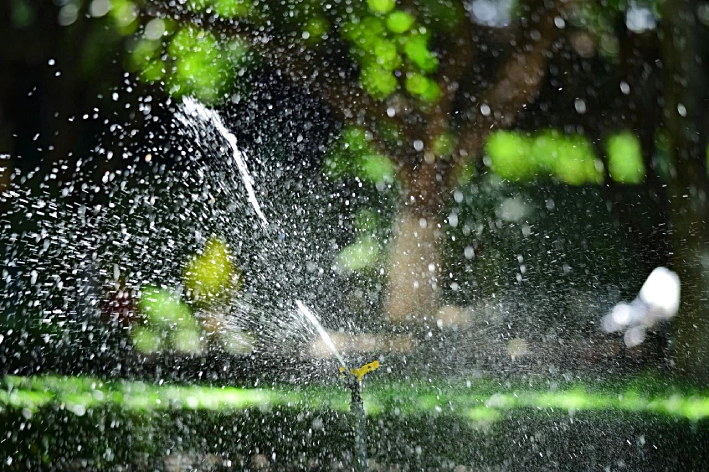
During a running cycle, notice whether each head rises fully and retracts afterward. Excessive misting may indicate unsuitable pressure; a weak arc can signal clogging, leakage, or reduced supply. Water spraying directly against a wall is usually water missing its intended destination.
You can remove visible obstructions without opening electrical controls or digging up pipe connections. If cleaning accessible debris does not restore the pattern, record the symptoms.
Check the Schedule Before Buying Parts
A perfectly functioning sprinkler can still overwater a lawn if its controller follows an outdated program. Power interruptions, manual changes, or a malfunctioning rain sensor can alter watering times without attracting attention.
Review start times, zone durations, and how frequently each area receives water. The right settings depend on soil, vegetation, weather, and how water moves across the landscape. A shaded planting bed will not necessarily need the same schedule as exposed turf.
Good watering practices include adjusting irrigation to current conditions and avoiding water lost to runoff or evaporation. Change settings gradually, then observe the result. More minutes on the timer should not be the automatic response to every brown patch.
Know When a Repair Is Enough
A cracked head or isolated blocked nozzle usually does not justify replacing an entire system. Targeted repair may restore coverage when neighboring parts and the underlying layout remain sound. The decision changes if several zones repeatedly leak or no longer serve the planting areas they were designed for.
Ask which defect has been confirmed and whether it explains the symptoms. A technician should be able to describe the proposed repair, the parts involved, and how proper operation will be checked afterward.
Replacing parts at random can be surprisingly costly. So can replacing the whole network when the real problem is one valve. Reliable diagnosis comes first; the scale of the repair should follow.
Make Maintenance a Small Habit
A complete sprinkler inspection need not consume your weekend. Periodically run each zone long enough to notice changes in pressure, direction, or drainage. After landscaping, check whether new edging or plants obstruct any spray. Watch for heads struck by equipment and for valve boxes collecting unusual amounts of water.
Keep brief notes about recurring faults, repairs, and controller changes. Small notes about which heads misfire, when puddles appear, and how long each zone runs can also make later professional service visits more productive. That information helps a technician follow a pattern instead of starting from scratch. That history becomes helpful when a problem returns after several weeks.
Avoid assuming regular inspections prevent every breakdown. They simply make emerging problems easier to see while repairs may still be straightforward.
Protect the Landscape Without Overwatering
A healthy lawn depends on more than the sprinkler timer. Soil condition, plant selection, sunlight, and disease can all influence appearance. If coverage looks even but grass still struggles, consider those factors before adding another watering cycle.
When repairs are completed, watch the system run again. Confirm water reaches the intended plants without soaking driveways or leaving persistent puddles. Make sure the schedule matches current conditions and adjust it as the landscape grows.
The best irrigation system is one you rarely notice because it works predictably. Paying attention to modest changes can protect plants, reduce wasted water, and keep a small mechanical problem from taking over the entire yard. The reward is a landscape that needs less emergency attention and a maintenance routine that stays manageable.
written by Al Woods