
The modern suit is no longer confined to boardrooms, weddings or formal dinners. In 2026, tailoring is becoming softer, roomier and easier to combine with everyday clothes, reflecting a wider shift in how men dress for work and leisure.
Structure still matters, but comfort increasingly shapes the silhouette, fabric choice and styling. The result is tailoring that retains its polish without demanding a strictly formal setting.

Relaxed proportions reshape the modern suit
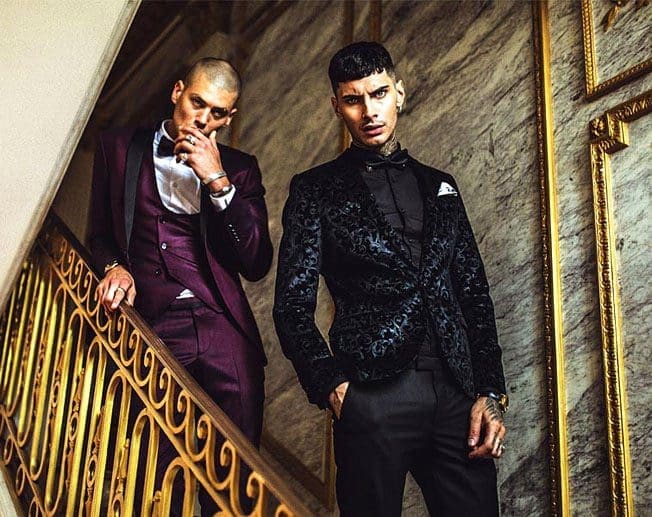
For decades, sharp shoulders, narrow waists and precisely cut trousers defined the dominant image of men’s tailoring. That formula has loosened considerably. Contemporary jackets increasingly feature softer construction, while trousers have gained width through the leg, giving the entire outfit more movement. British GQ noted in its 2026 semens flection of relaxed-fit suits that roomier silhouettes remain firmly established, with loose-fitting tailoring now widely available across different price points.
This does not mean abandoning precision. Fit remains essential, but the objective has changed. Instead of creating a rigid outline, modern tailoring often follows the body more naturally. A well-cut Suit can therefore combine traditional fabrics such as pure wool with tailored or relaxed fits designed for very different occasions. Current options also illustrate the breadth of the category, from perennial tropical wool models around £350 to more elevated constructions using higher-grade wools at considerably higher prices.
Fabric becomes especially important when formality is reduced. Lightweight wool, breathable weaves and softer cloths help a jacket sit comfortably over a knitted polo, T-shirt or open-collar shirt. Neutral navy, grey and brown remain practical investments, but green, sand and deeper red tones allow tailoring to move beyond its conventional business palette.
Casual pieces change how tailoring works
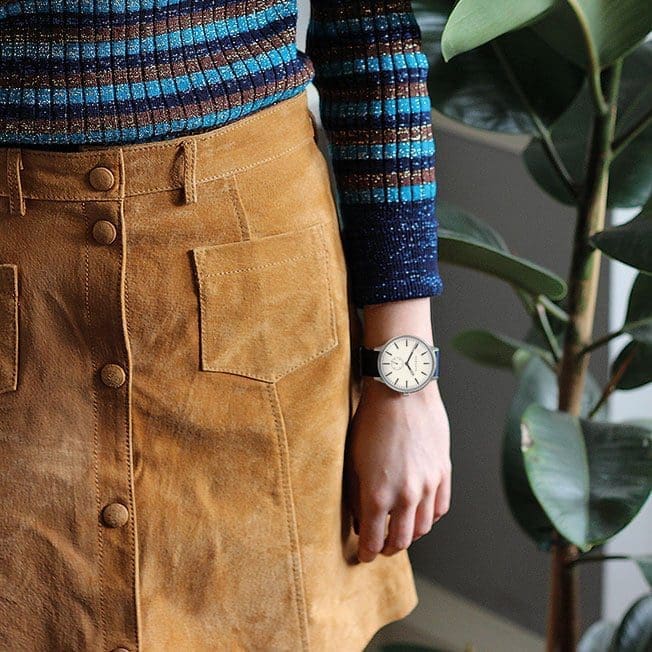
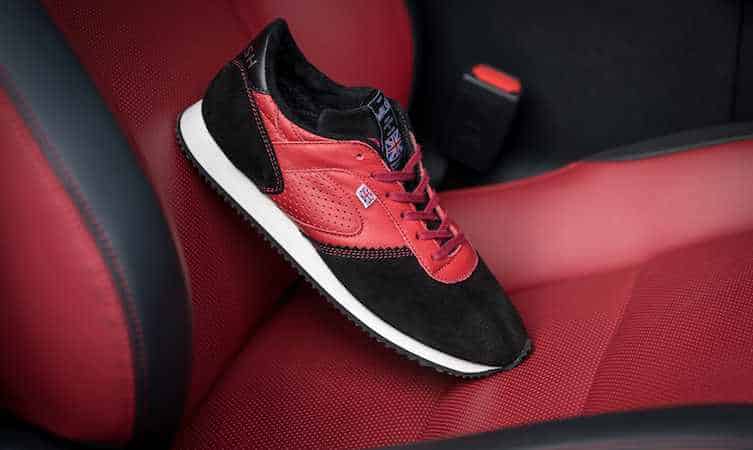
The most visible transformation happens around the suit rather than inside it. Removing the tie immediately changes the register, but modern styling goes further. Fine-gauge knitwear can replace the shirt, clean trainers can substitute for leather Oxfords, and a tailored jacket can be separated from its matching trousers and worn with denim or chinos. Each choice lowers the level of formality while preserving the visual authority of a structured garment.
The shift mirrors changes in working culture. Hybrid schedules and less rigid office dress codes have weakened the old distinction between professional and casual wardrobes, encouraging clothes that can operate across several settings. A jacket worn to a morning meeting may now remain appropriate for dinner without requiring an entirely different outfit.
Practicality should guide purchases. Someone building a small wardrobe may get more use from an all-season navy or mid-grey suit than from a highly distinctive pattern. Alterations also deserve room in the budget because sleeve length, trouser break and jacket balance can make an accessible suit appear substantially more refined. For weddings or events, booking fittings early leaves time for those adjustments, while separates and mix-and-match sizing can help when standard jacket and trouser proportions do not align.
The new balance is built on versatility
Modern tailoring has not made elegance obsolete. It has made elegance easier to use. Softer construction, wider trousers and casual layers allow tailored clothing to move naturally between work, social occasions and travel. The strongest wardrobe therefore depends less on rigid dress codes and more on fit, fabric and pieces that can be worn repeatedly in different combinations.
written by Alexa Wang